


Foraging with Kids Illustrations
Foraging with Kids has recently hit the bookshops. It’s written by Adele Nozedar, and illustrated [...]

Job Showcase: Visual Science – CRISPR Gene-Editing Systems 3D Animation
Visual Science's CRISPR Gene-Editing Systems 3D Animation is based on molecular modeling and dynamics, [...]

Job Showcase: Todd Buck – The Pseudobulbar Affect
The Pseudobulbar Affect is characterized by uncontrollable crying or laughing at inappropriate moments. [...]

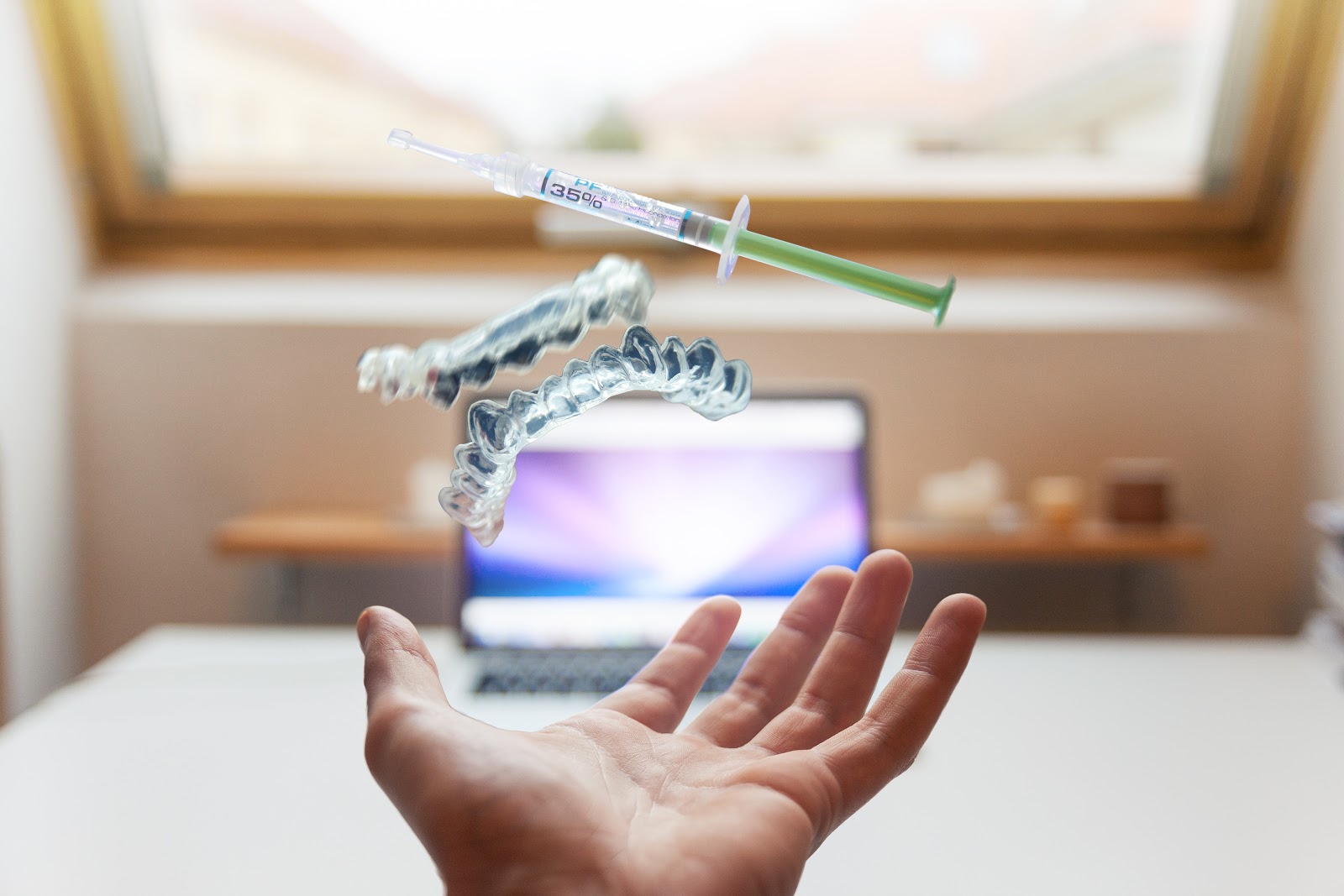
How to choose the right scientific communication studio for your healthcare brand
With so many scientific communication studios online, and their portfolios open for you to browse, it might seem as if shopping for a studio to work with is no big deal. But in reality, that’s not really the case. Even with such a broad choice of studios available online, there are some crucial considerations to make to turn this into an excellent opportunity for medical businesses. Many key factors play a role in forming a valuable relationship between a pharmaceutical company and its scientific communication studio. If you’re the person at a medical company who is responsible for sourcing illustrations, information design and 3D, the largest part of the search process that leads you to understand the best options and choosing the appropriate agency falls uniquely on your shoulders. To help you structure your selection process, here is a list of aspects that need to be considered: Is a studio
The post How to choose the right scientific communication studio for your healthcare brand appeared first on Medical Illustration Studio - Visualmedics.
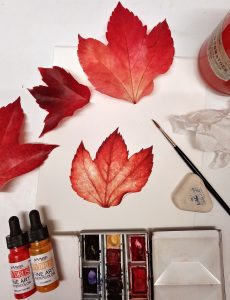
Botanical Illustration of an Autumn leaf
Autumn leaves are incredibly beautiful. The form of the leaf coupled with their [...]


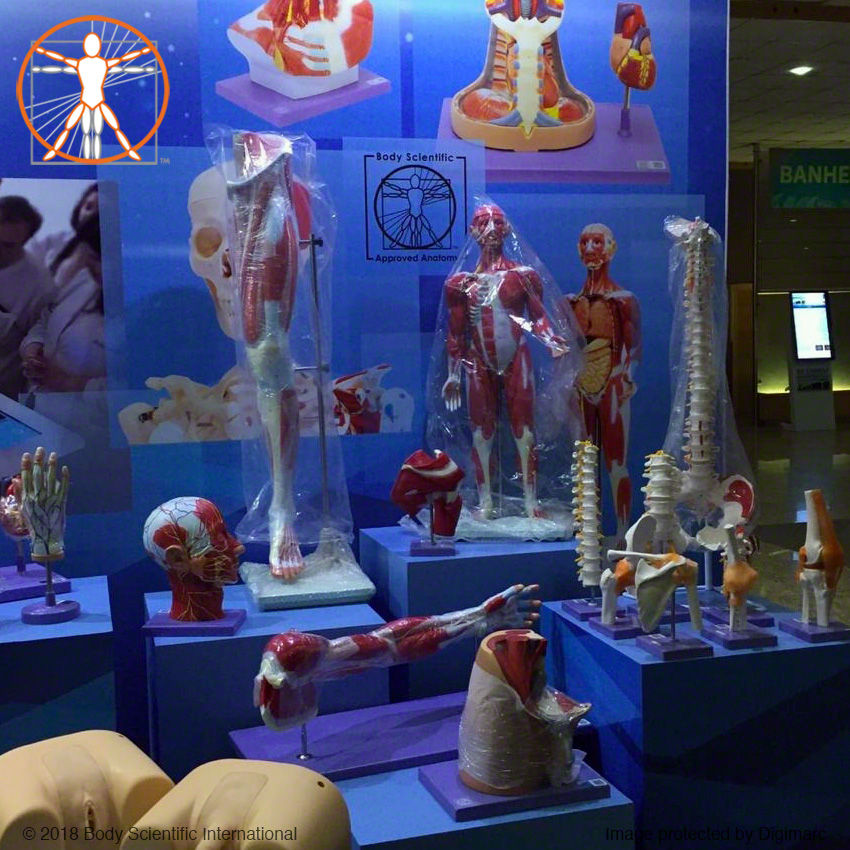
Civiam and BSI Anatomical Models – Brazil
BSI has partnered with Civiam to provide high quality anatomical models for medical education in Brazil! We are offering a bonus e-learning experience with the product, the newly-launched QR Anatomy! Each anatomical model comes with a QR code, customer...
Civiam and BSI Anatomical Models – Brazil
BSI has partnered with Civiam to provide high quality anatomical models for medical education in Brazil! We are offering a bonus e-learning experience with the product, the newly-launched QR Anatomy! Each anatomical model comes with a QR code, customer...

High School Students learn about a Career in Medical Illustration
Marcelo and Carol were invited to speak at a local high school, as part of Arts Fest week, in which artists from various arenas come to speak to art students about possible career paths they could pursue. We were quite happy to be invited. Many young s...
High School Students learn about a Career in Medical Illustration
Marcelo and Carol were invited to speak at a local high school, as part of Arts Fest week, in which artists from various arenas come to speak to art students about possible career paths they could pursue. We were quite happy to be invited. Many young s...



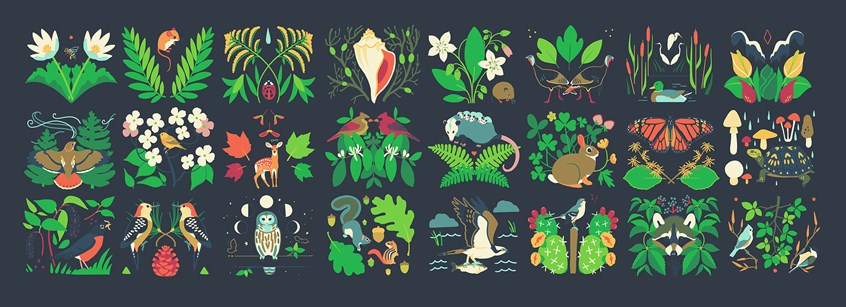
Meet Ornithological Illustration Artist Justine Lee Hirten
Ornithological illustration artist Justine Lee Hirten uses design to explain the branches of [...]
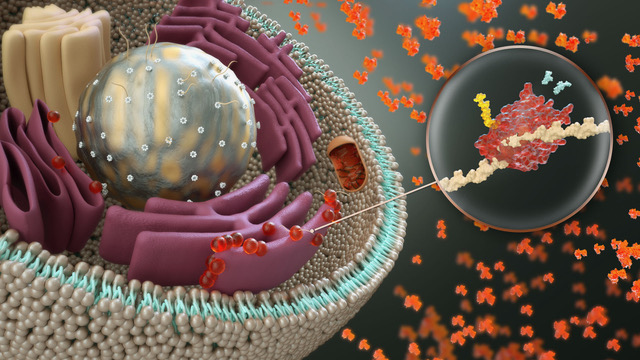
Nanobot Medical – Using Nanotechnology to Create Educational Art
Nanobot Medical Animation Studio uses nanotechnology to further facilitate the ways we understand [...]



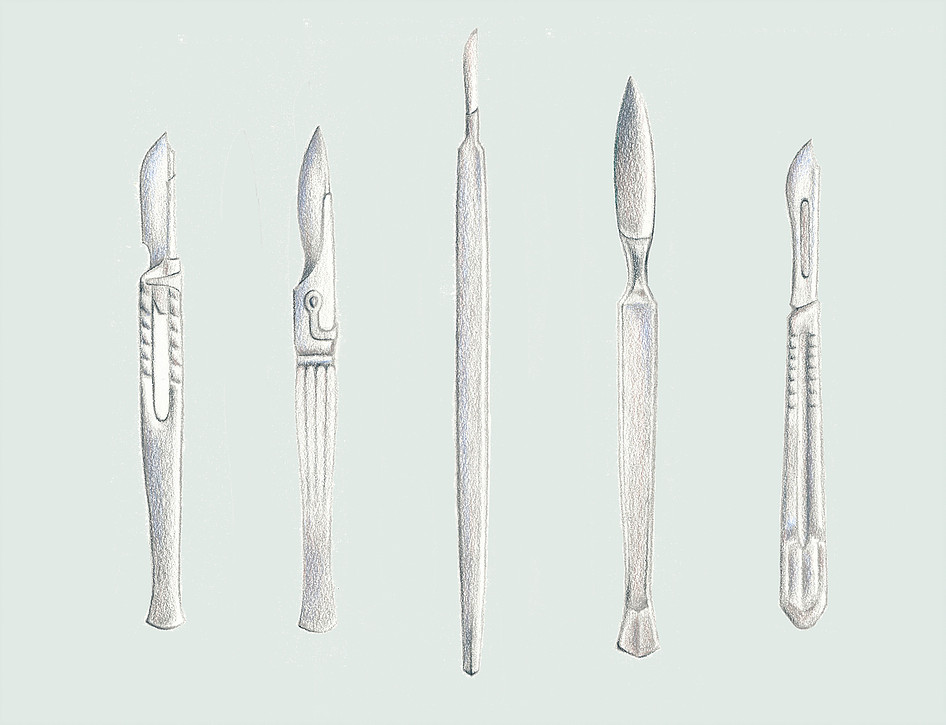
New Medical Illustration Spotlight Artist: Emma Cheng
We’re honored to welcome Dr. Emma Cheng to our Medical Illustration Program! Professionally [...]
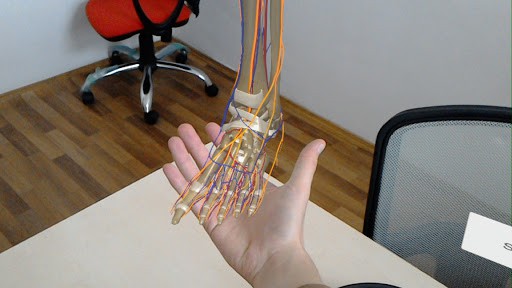
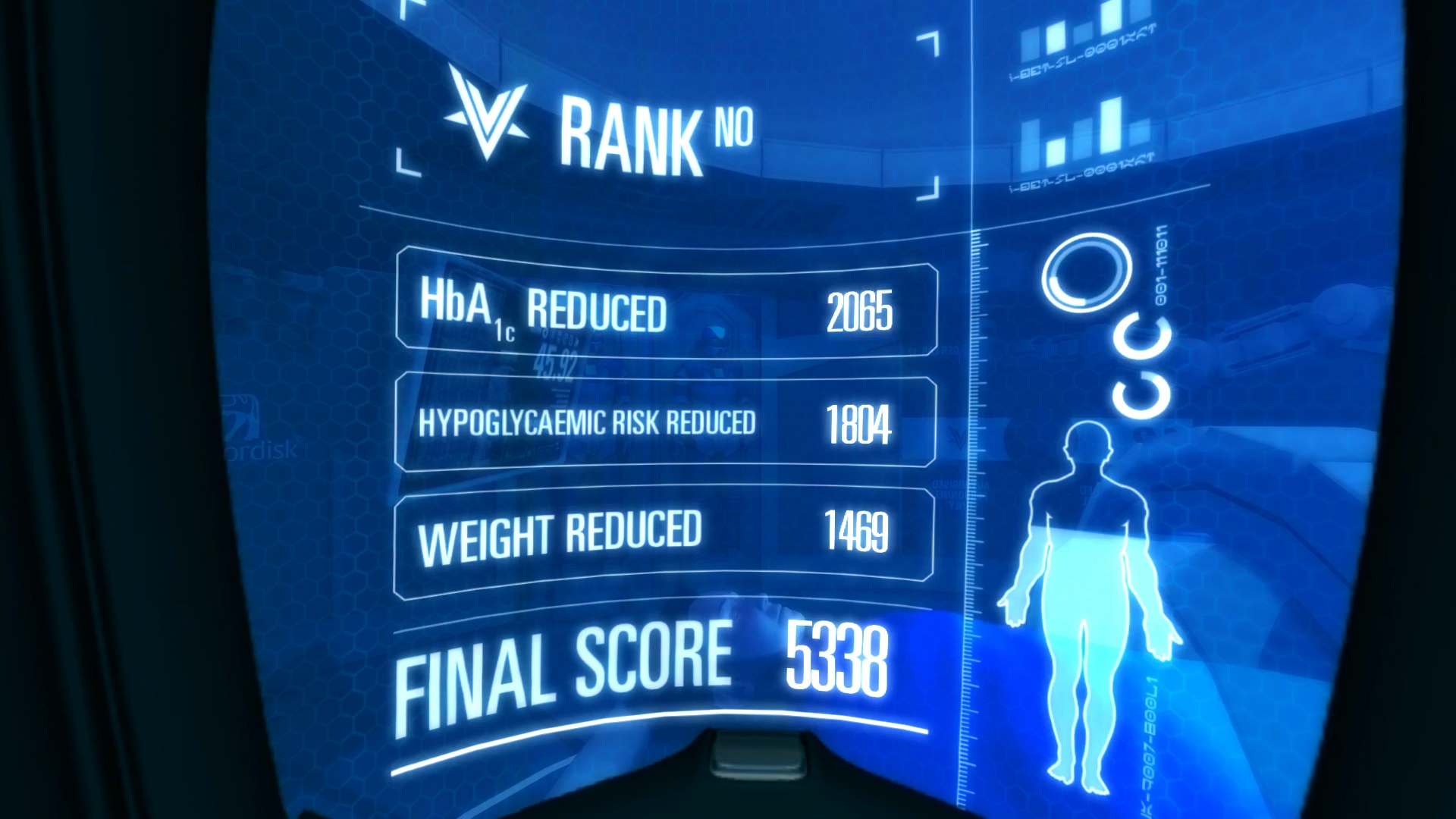
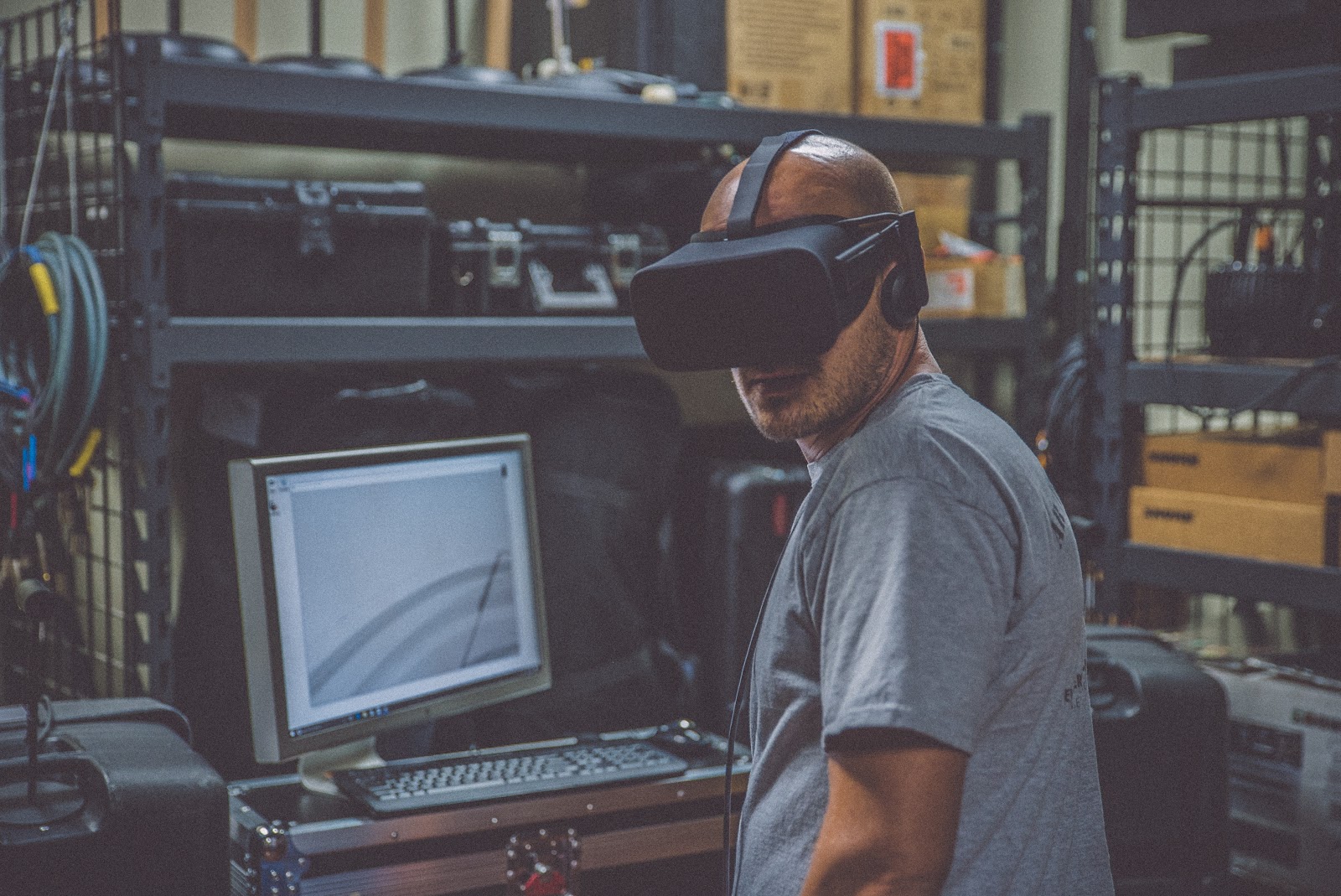
Sliced Bread Animation Excels in Medical Virtual Reality (VR)
Sliced Bread Animation is a fully integrated digital production company that consistently produces [...]

NMSDC Certified
Great news! Body Scientific International has become NMSDC certified! What does that mean? BSI is officially registered as a minority-owned business recognized by the Chicago Minority Supplier Development Council (CMSDC). For more information, visit ww...


New Medical Illustration Artist Spotlight: Kouzou Sakai
We are so pleased to welcome illustrator Kouzou Sakai, represented by Folio, to [...]
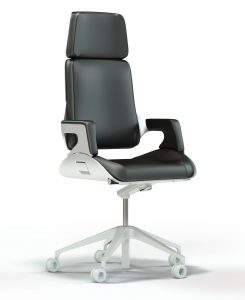
Interstuhl Silver Office Chair – Chair Rendering
Trinity has created a stunning chair rendering advertising the high-quality office chair known [...]

John Brewster Creative Services Artists: Bonnie Hofkin and Craig Zuckerman
This week, we’re showcasing work by two Medical Illustration & Animation artists, Bonnie [...]


Getting outside for some printmaking
My undergraduate fine art degree is in Printmaking. Mostly screenprinting (serigraphy) but lots of etching, lithography, monoprinting, and also painting of course. Not a ton of relief printing for me back then, but just enough to love it. Fast forward ...
Medical Animation Spotlight
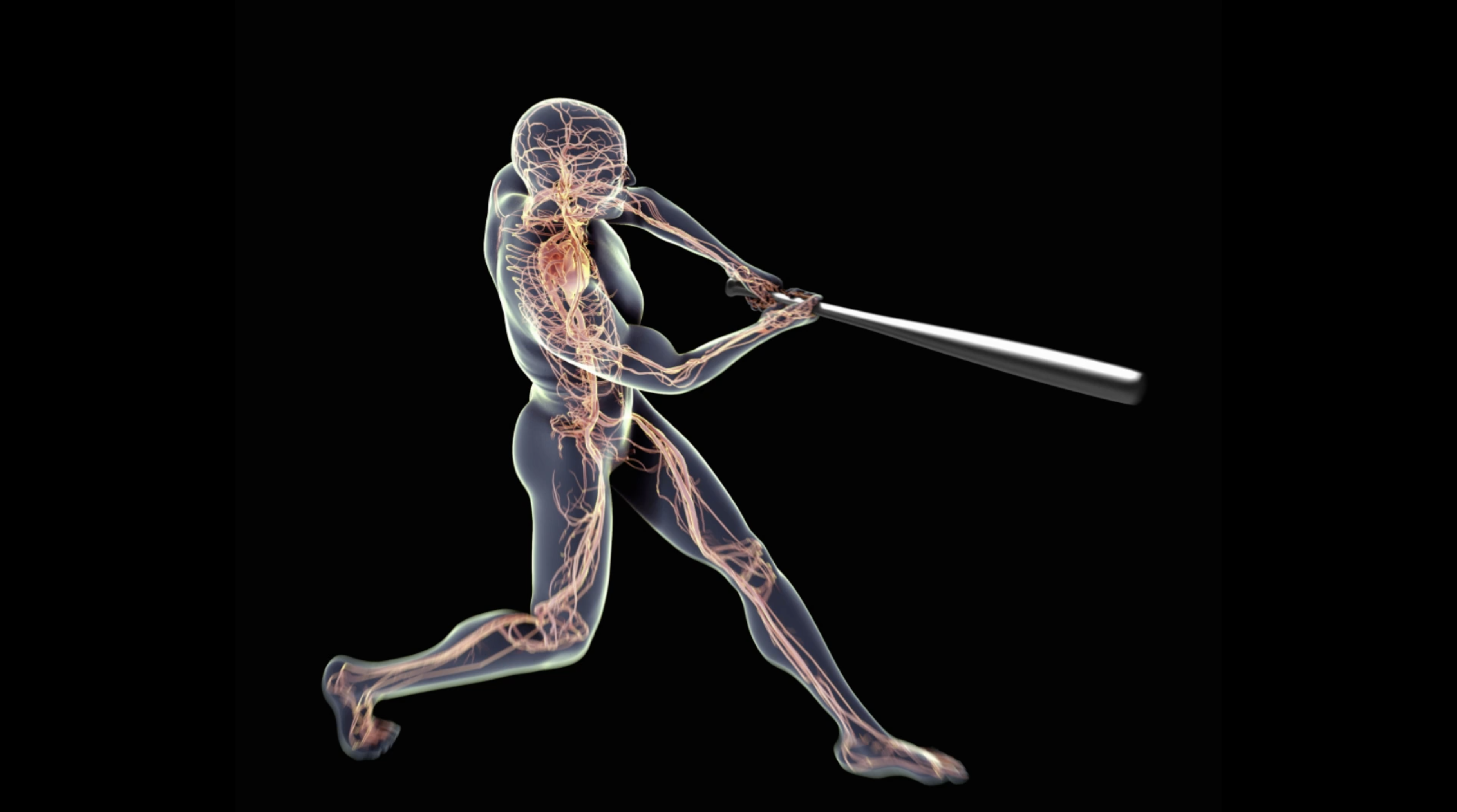
Medical animation and graphics make up much of the content we feature here [...]
The logo, redesigned
In the end, going with an outside designer was key. I was able to give some final input that I think makes it “my own” but Brett at Creativibe did the heavy lifting, and made this a success! Here are some of the concepts, along with the final. Yay! ...
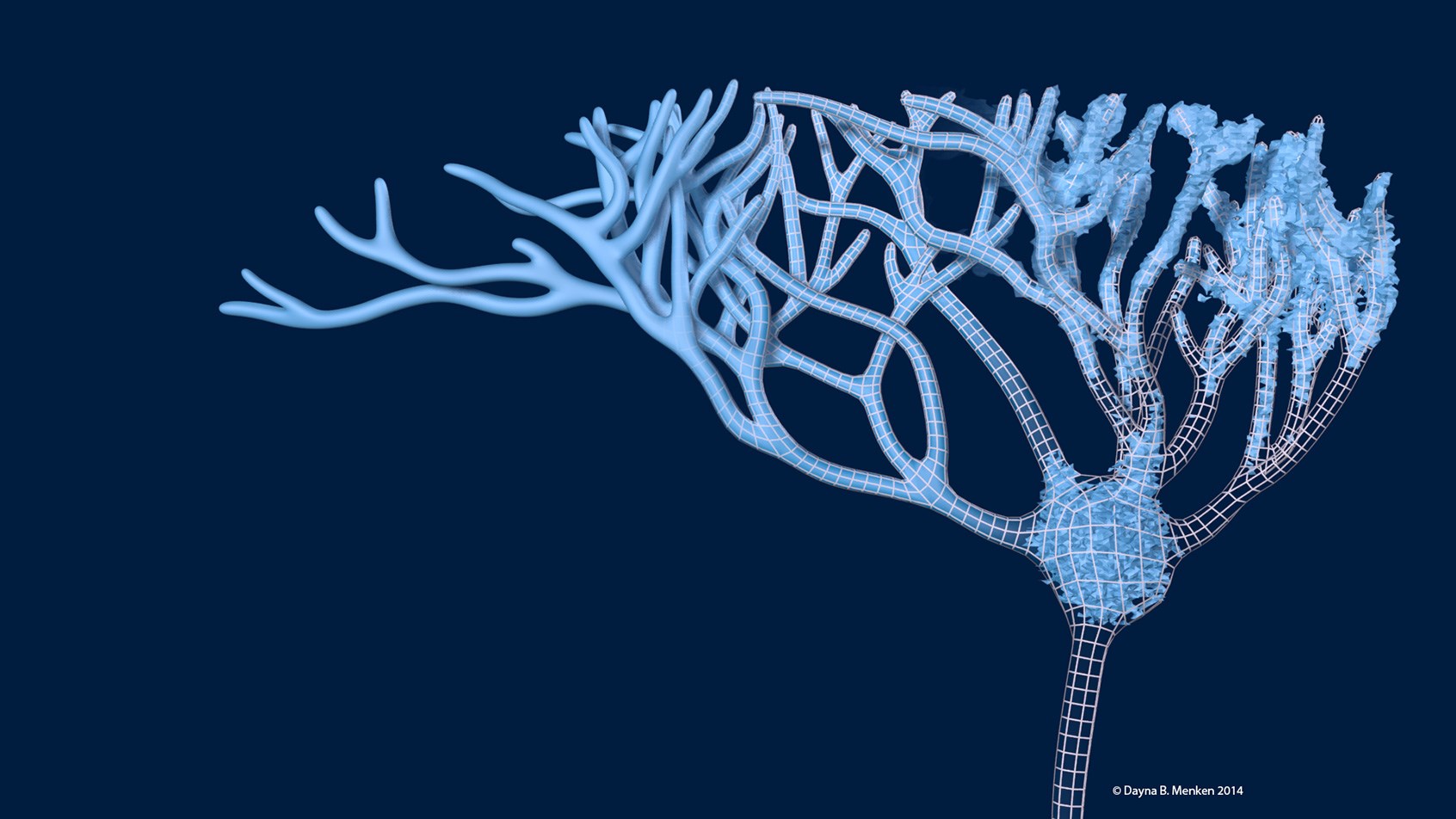
Designer BioMed Creates 3D Reconstructed Neuron Model
Designer BioMed created a striking 3D reconstructed neuron model for the Alford Laboratory [...]

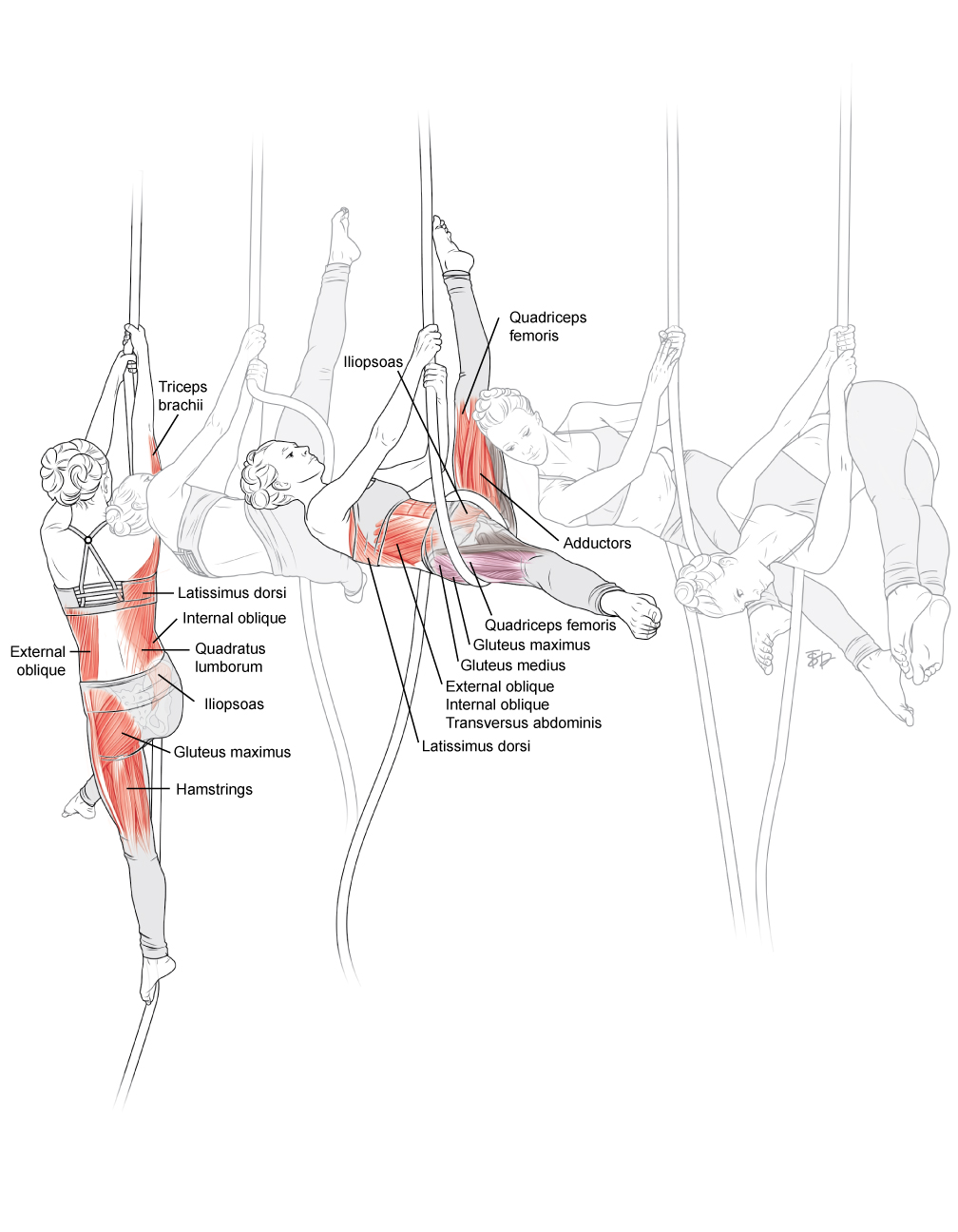
Slaybaugh Studios Illustrates Anatomy of Aerial Arts
Tiffany Slaybaugh DaVanzo of Slaybaugh Studios recently produced a series of illustrations for [...]

Eye of Science Captures Metamorphosis Using SEM
Nicole Ottawa and Oliver Meckes from Eye of Science recently produced spectacular images [...]
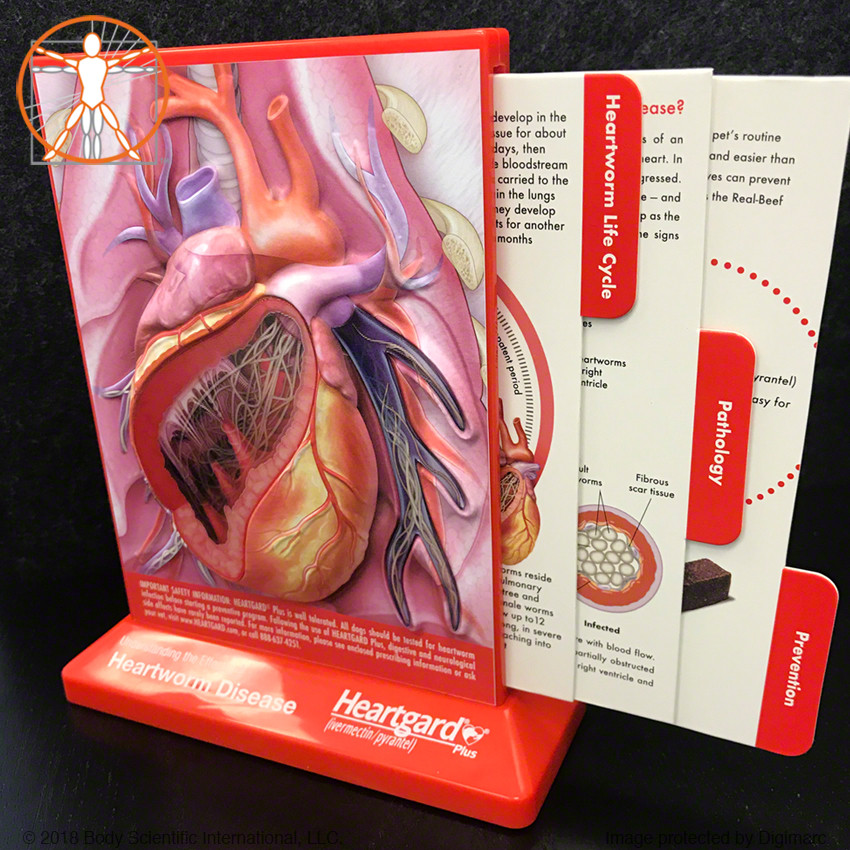
Body Scientific Designs Heartworm Disease Model
Body Scientific International recently unveiled a 3-tab lenticular, raised-relief model called “Understanding the [...]
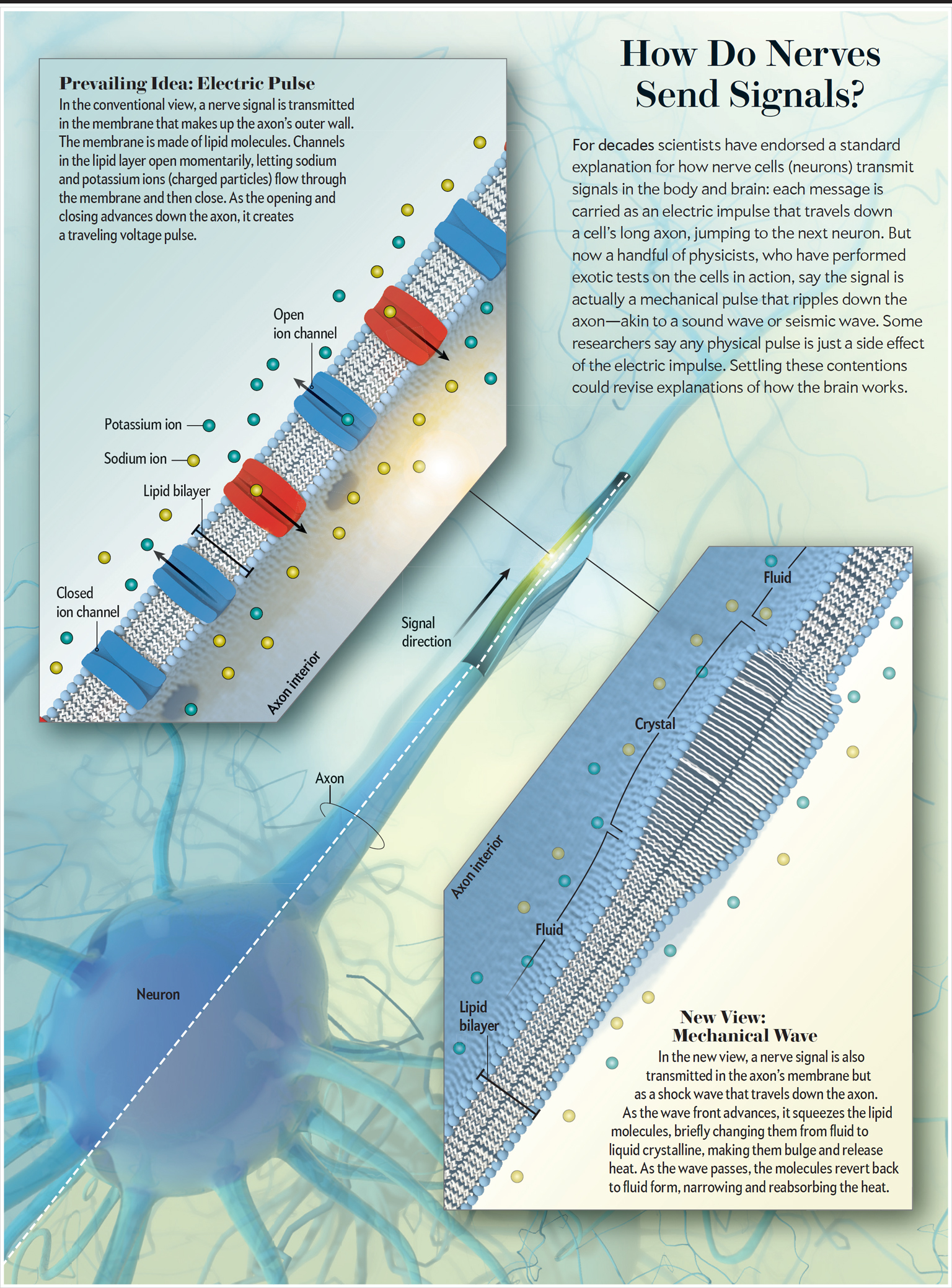
Falconieri Visuals for Scientific American: Mechanism of Nerve Signaling
This illustration by Falconieri Visuals served as a full-page layout in Scientific American [...]
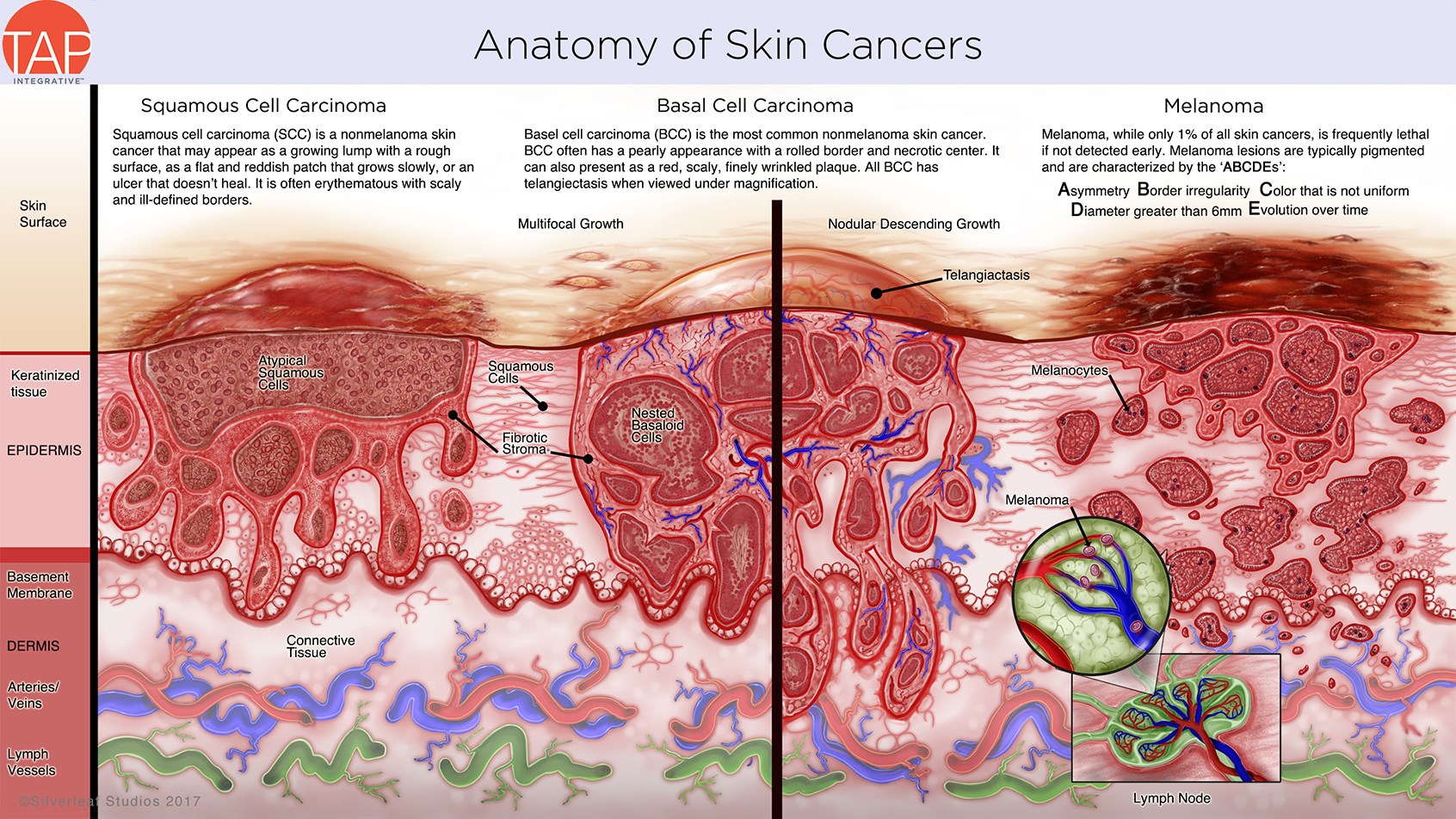
SilverLeaf Studios for TAP Integrative: Anatomy of Skin Cancers
SilverLeaf Studios created this digital poster for TAP Integrative’s website detailing the physiological [...]
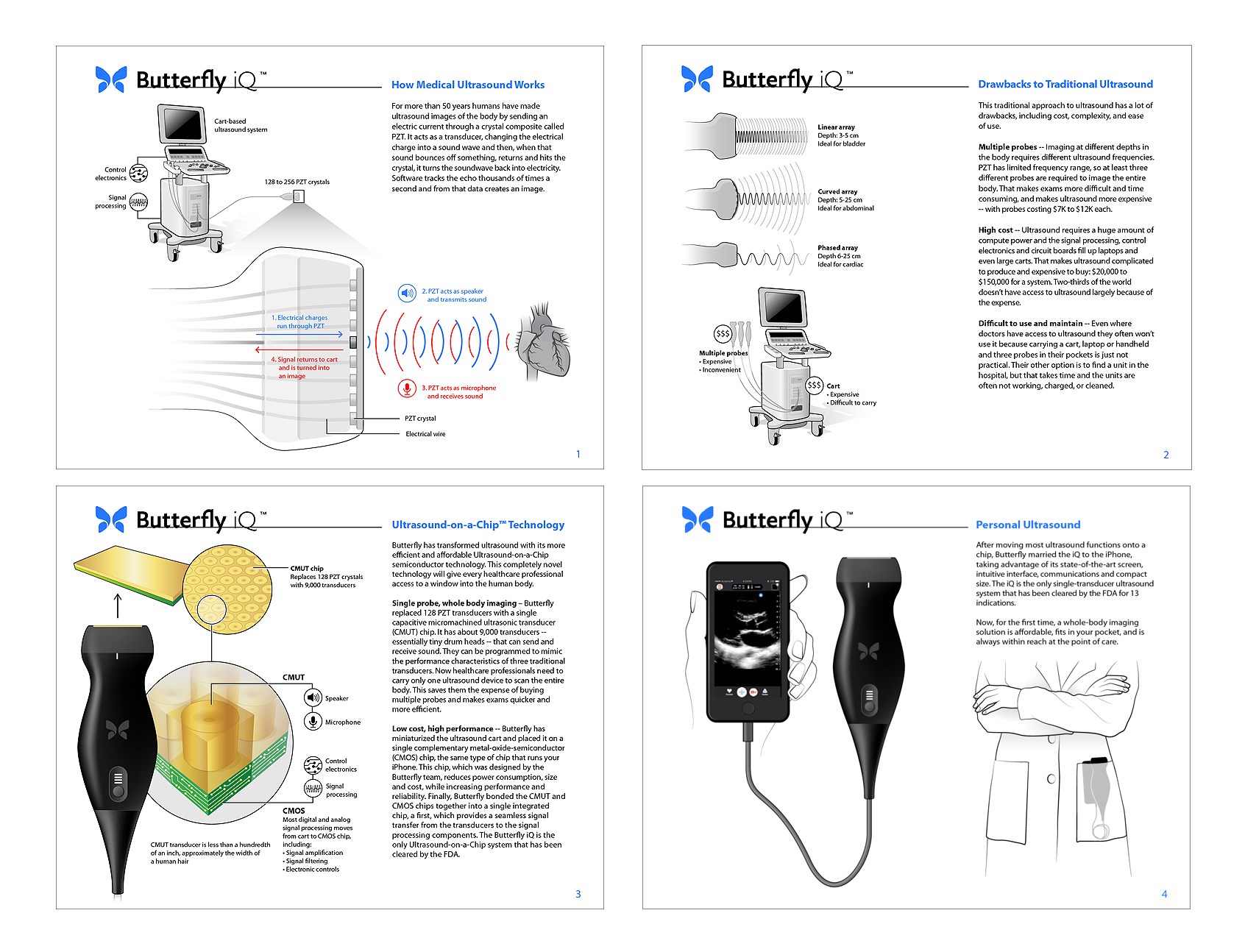
Tolpa Studios Creates Infographic Series for Butterfly Network, Inc.
Tolpa Studios was commissioned to create a 4-part infographic series for Butterfly Network, [...]

Join the Medical Illustration & Animation Marketing Program!
Ever wonder what it’s like to be a part of our Medical Illustration [...]
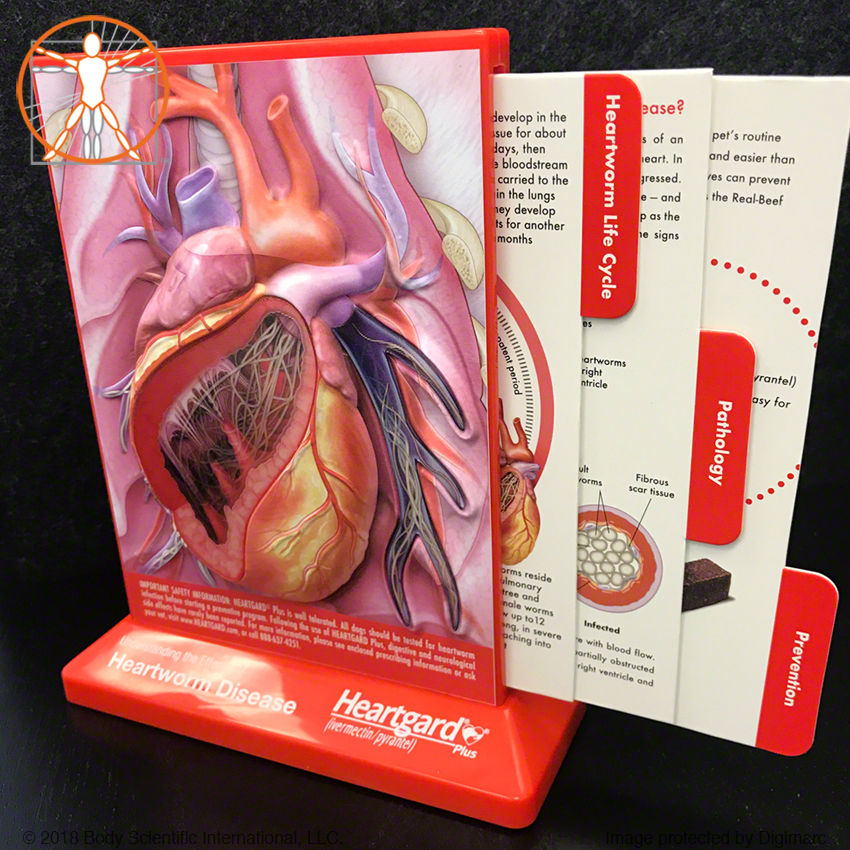
Heartworm Disease Model
We are excited to announce our 3-tab lenticular, raised-relief model of Understanding the Effects of Heartworm Disease created for Boehringer Ingelheim. The client wanted to showcase how heartworm disease is a disease of the pulmonary arteries! The wor...
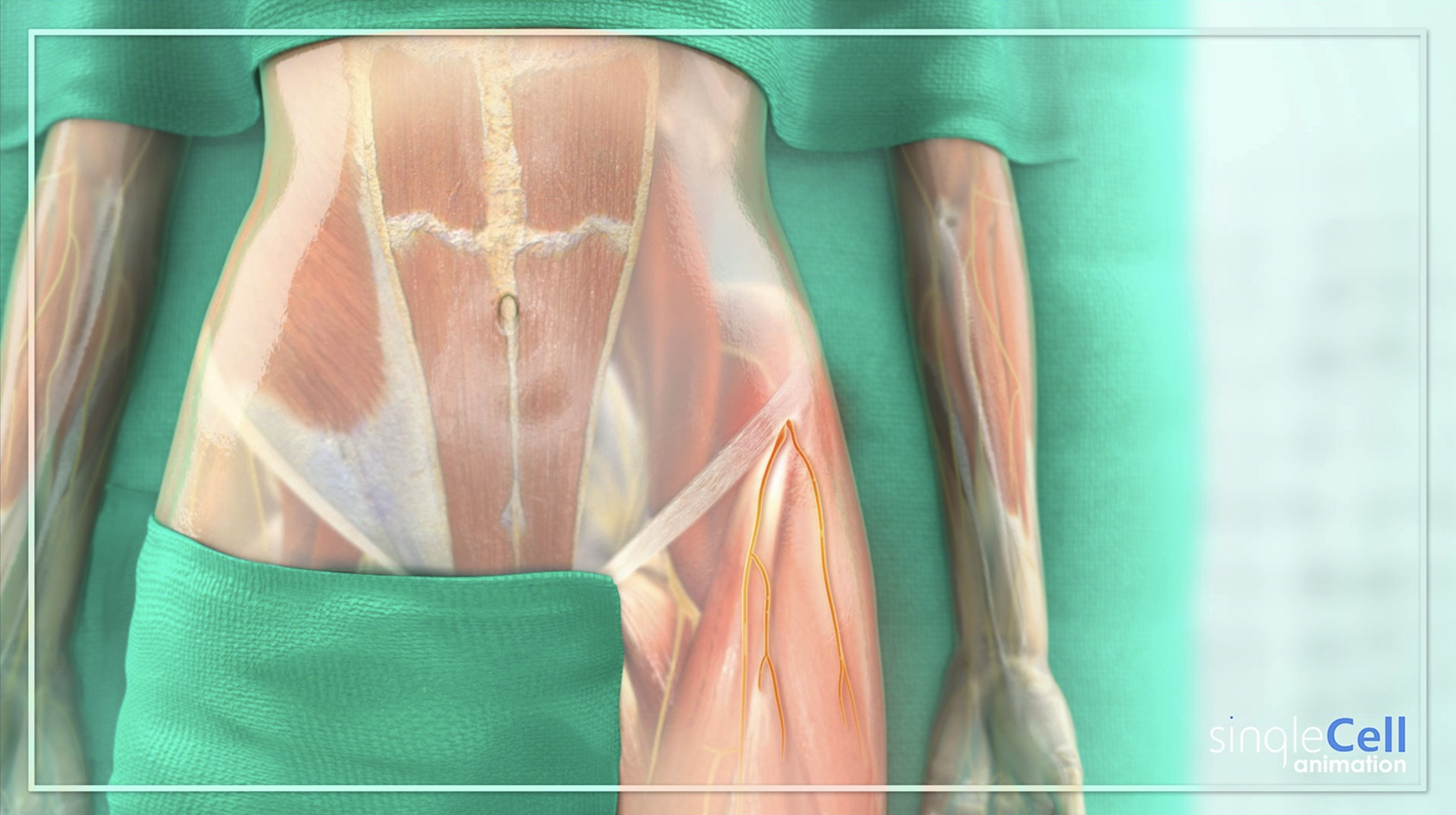
Single Cell Animation for Healing Hands of Nebraska
Here's a still from a procedural animation Single Cell Animation recently created for [...]

Patrick Eckhold Illustrates Hip Labral Reconstruction
Here's a still from a medical animation by Patrick Eckhold of an arthroscopic [...]
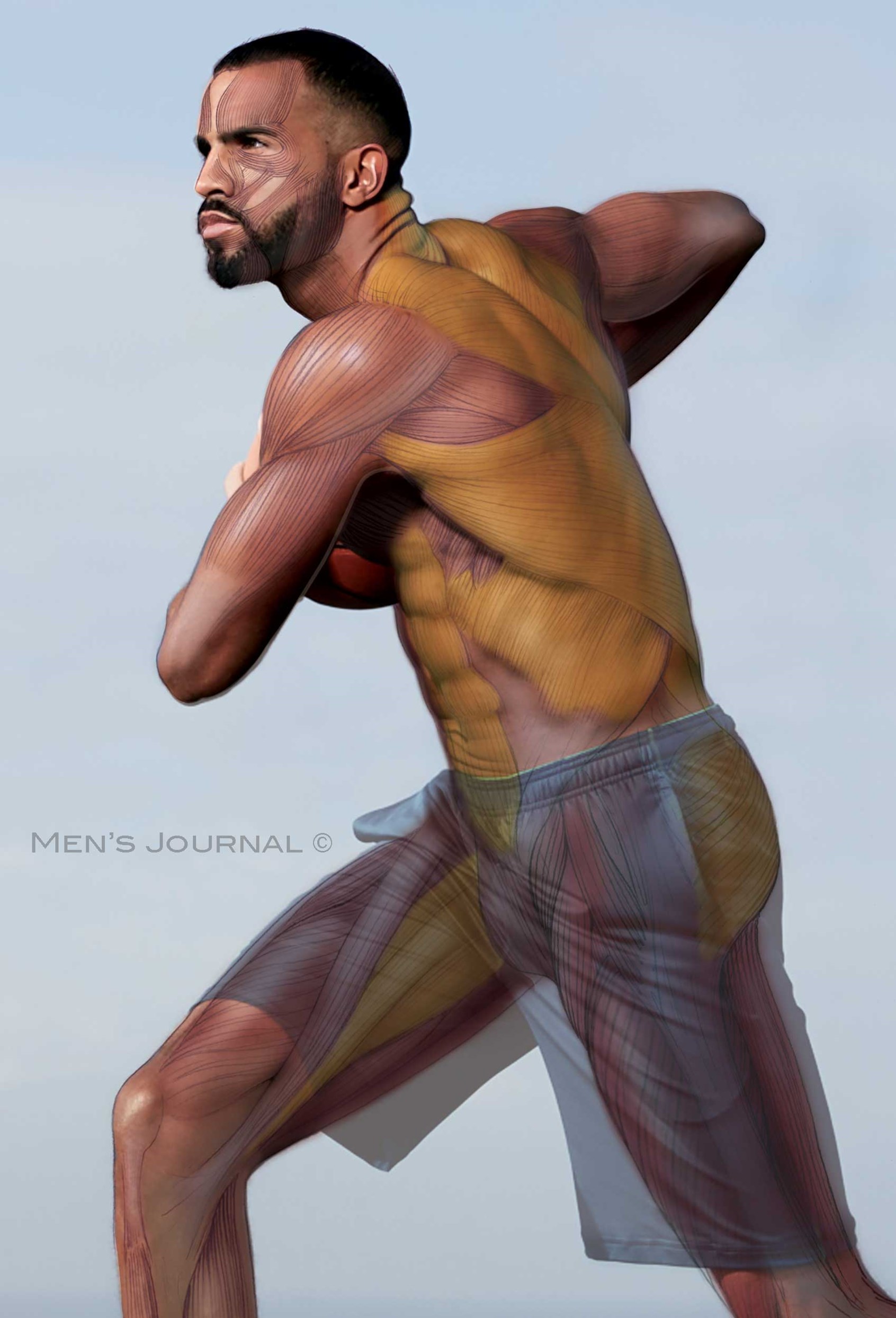
Michele Graham for Men’s Journal
This illustration by Michele Graham demonstrates a basketball player using core muscles in [...]
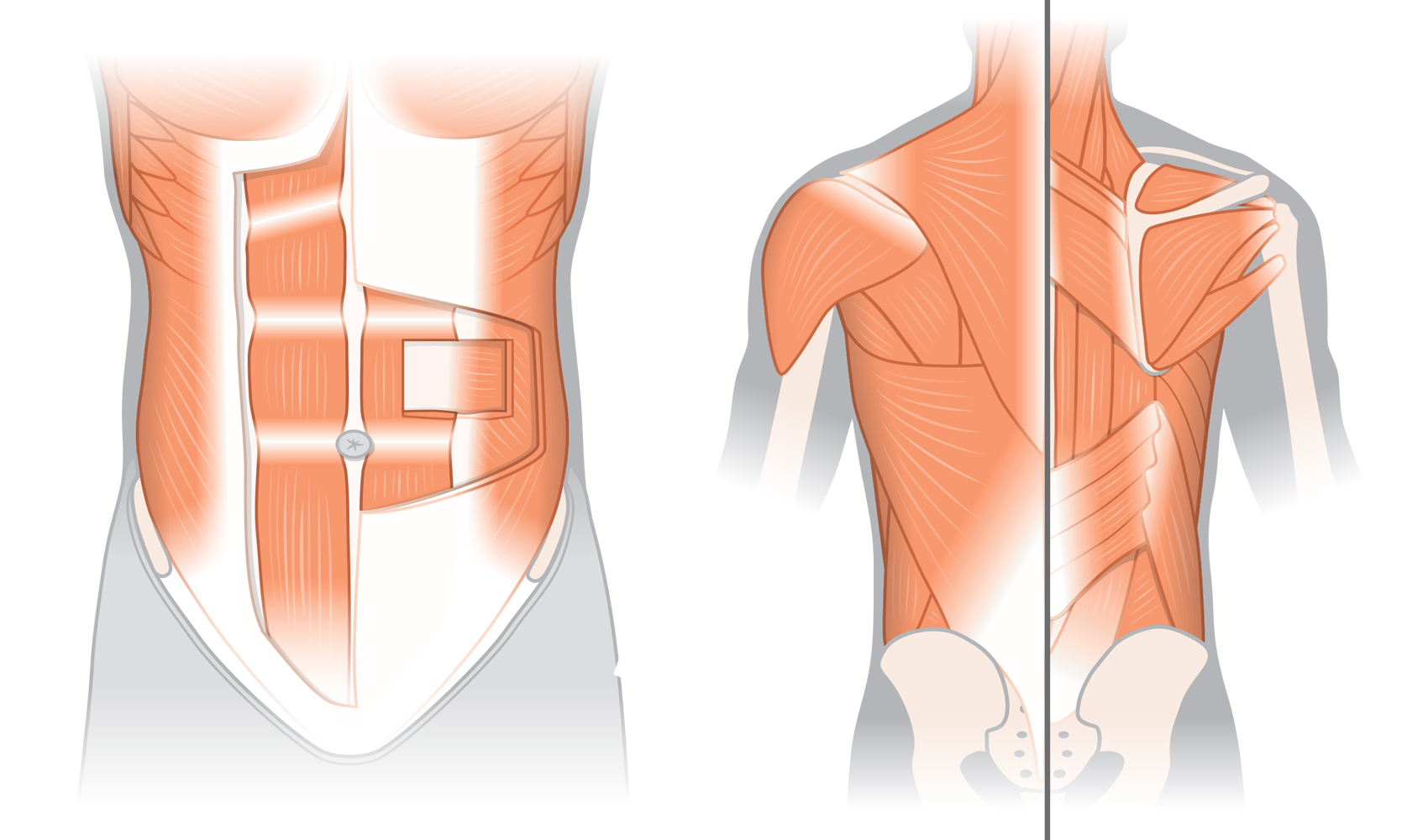
Normal Anatomy & Common Conditions of the Back by Third Left Studio
Here are some new illustrations of normal anatomy and common conditions of the [...]
I Didn’t Expect Nuggets
It began with a train ride from Grand Central Station in New York to Yale University in New Haven. My mission: to speak to a group of pre-Med and pre-Health students; members of a national organization called MedX, whose mission is to explore the healthcare field from an array of interdisciplinary, holistic perspectives. Objective: to pose the question: is medical narration just icing on the cake?
Working International
https://legacybiostudios.com/wp-content/uploads/2018/02/HMP.mp4 The work and process of working with international groups On my case studies page, I cover the work…
The post Working International appeared first on LEGACY BioStudios, LLC.
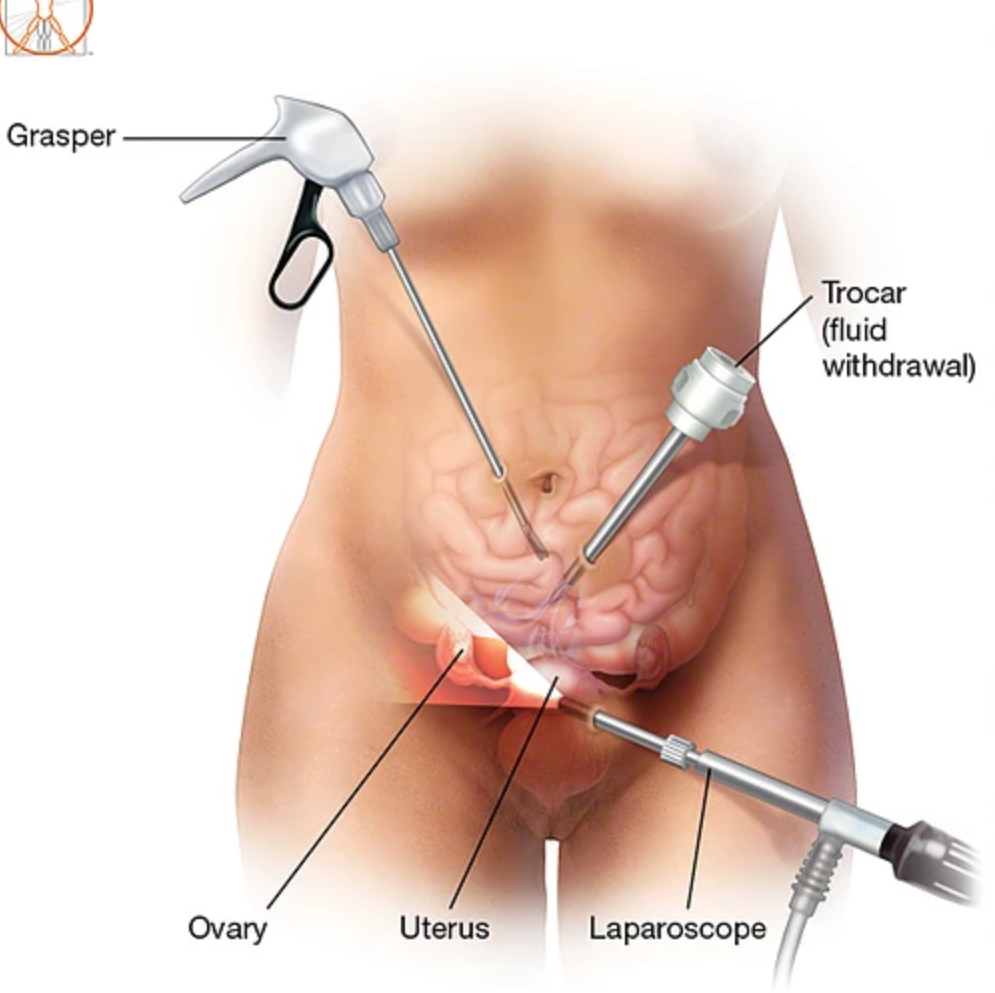
Body Scientific for Goodheart-Willcox
Body Scientific teamed up with Goodheart-Willcox to create their latest nursing assistant book [...]
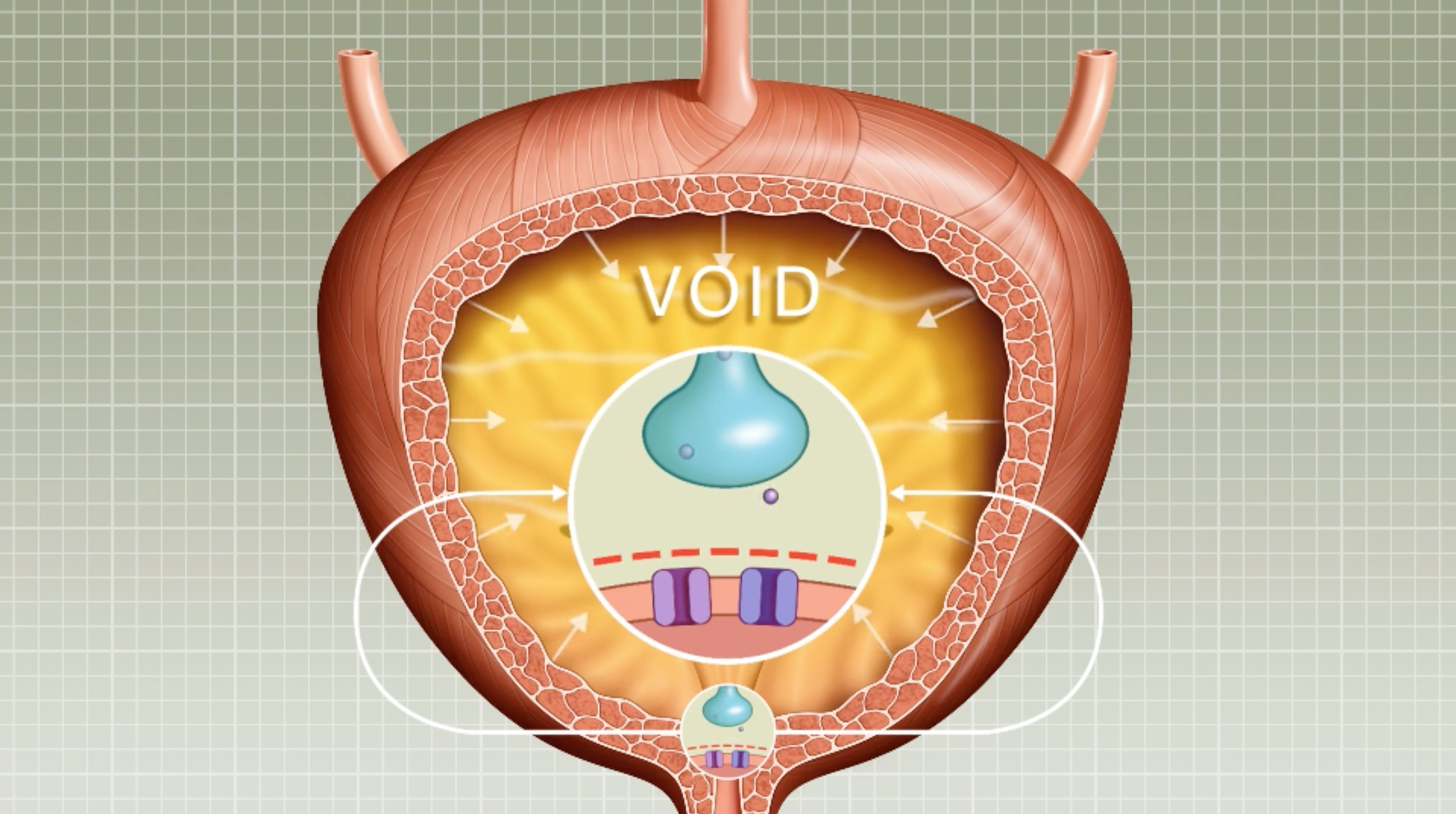
Graham Studios – Overactive Bladder
Here's an animation by Graham Studios of the fill and void cycle in [...]
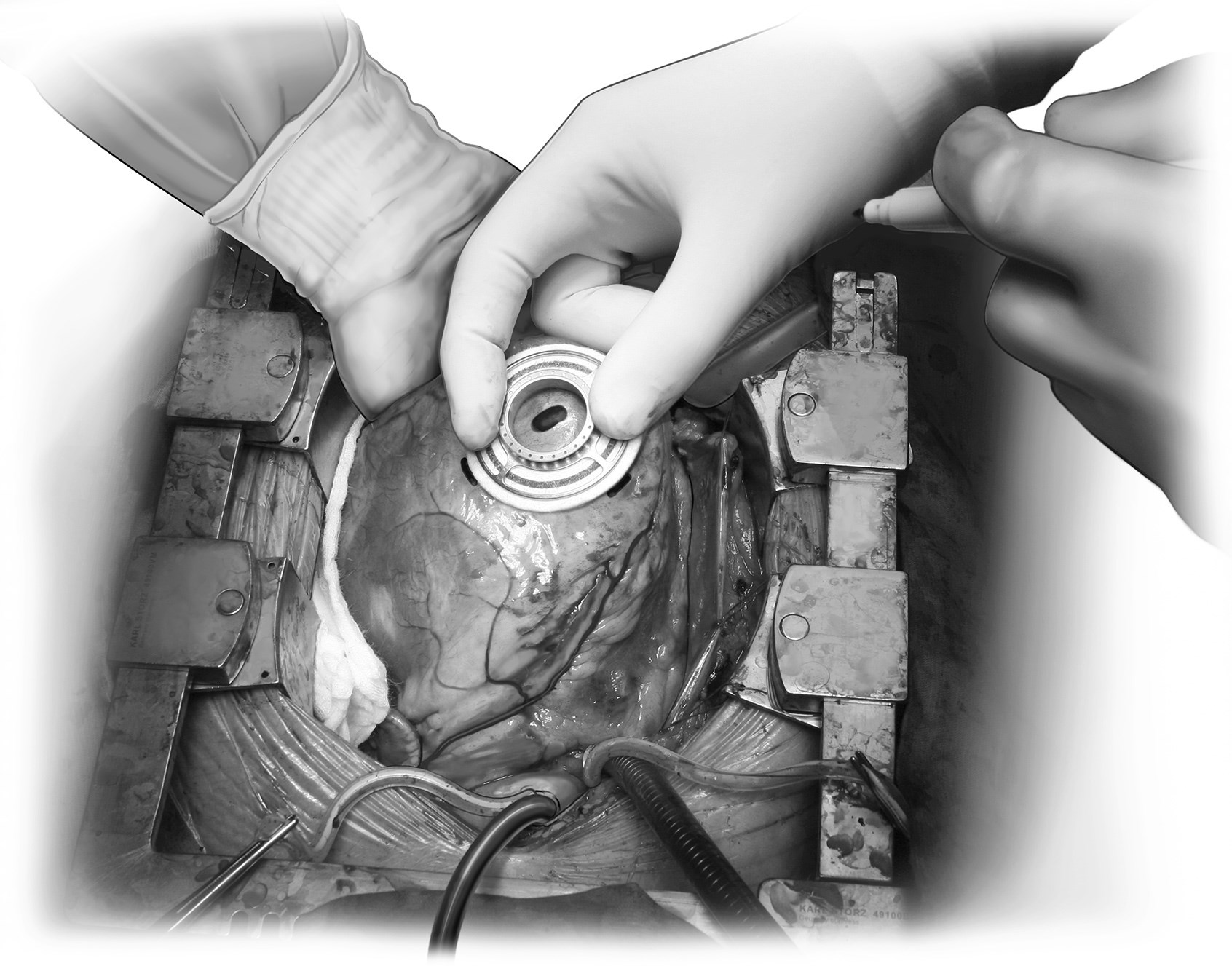
Applied Art for Elsevier
This figure by Applied Art is part of a series for an Operative [...]
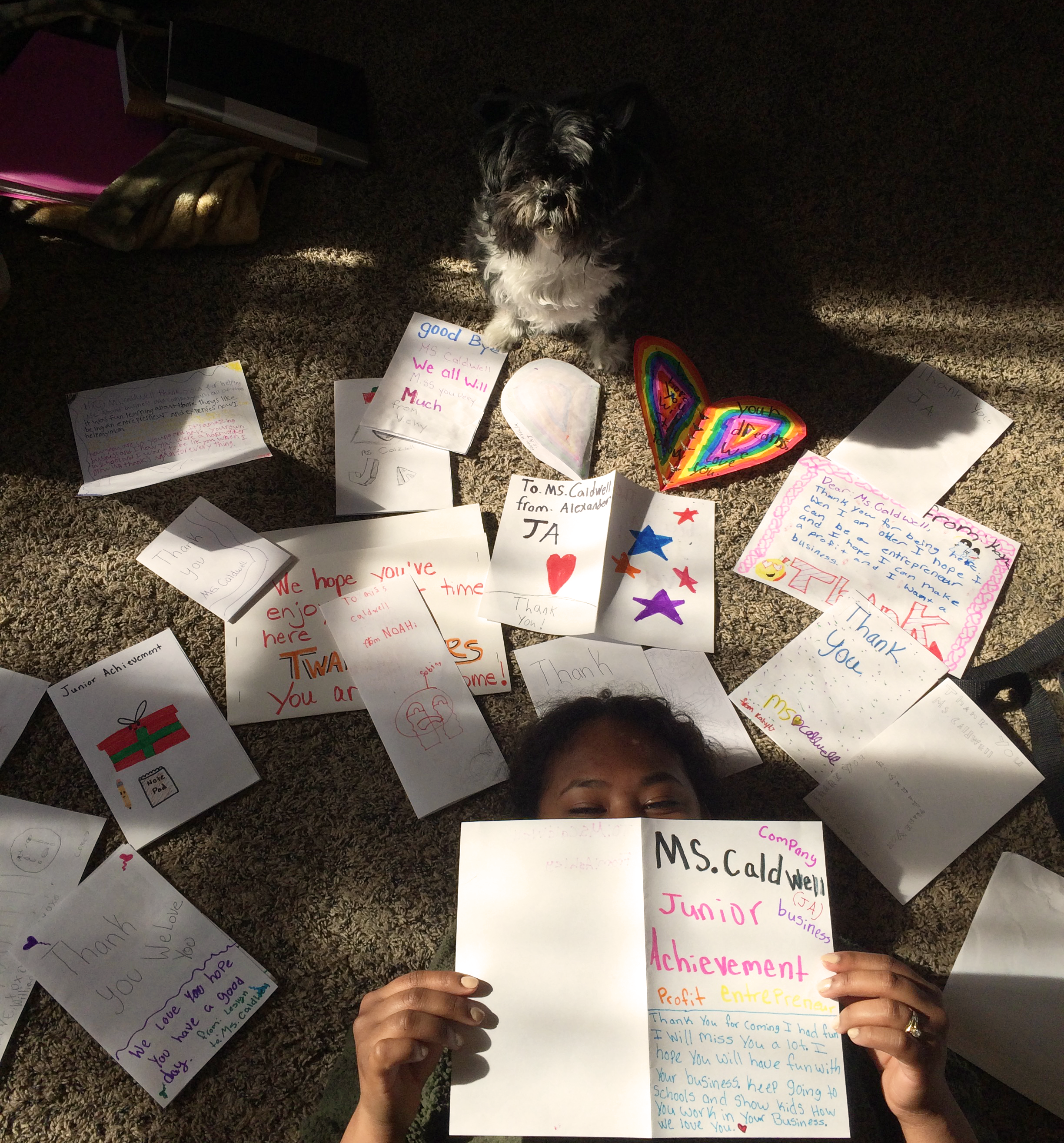
Kids and Entrepreneurship
The term entrepreneur was coined by Jean-Baptiste Say, a French economist and scholar. The word originally came from the French…
The post Kids and Entrepreneurship appeared first on LEGACY BioStudios, LLC.
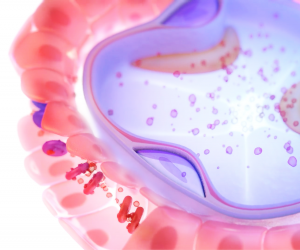
Mechanism of Action Pharmacological Animations
The term “Mechanism of Action,” as used here, refers to the biochemical process [...]
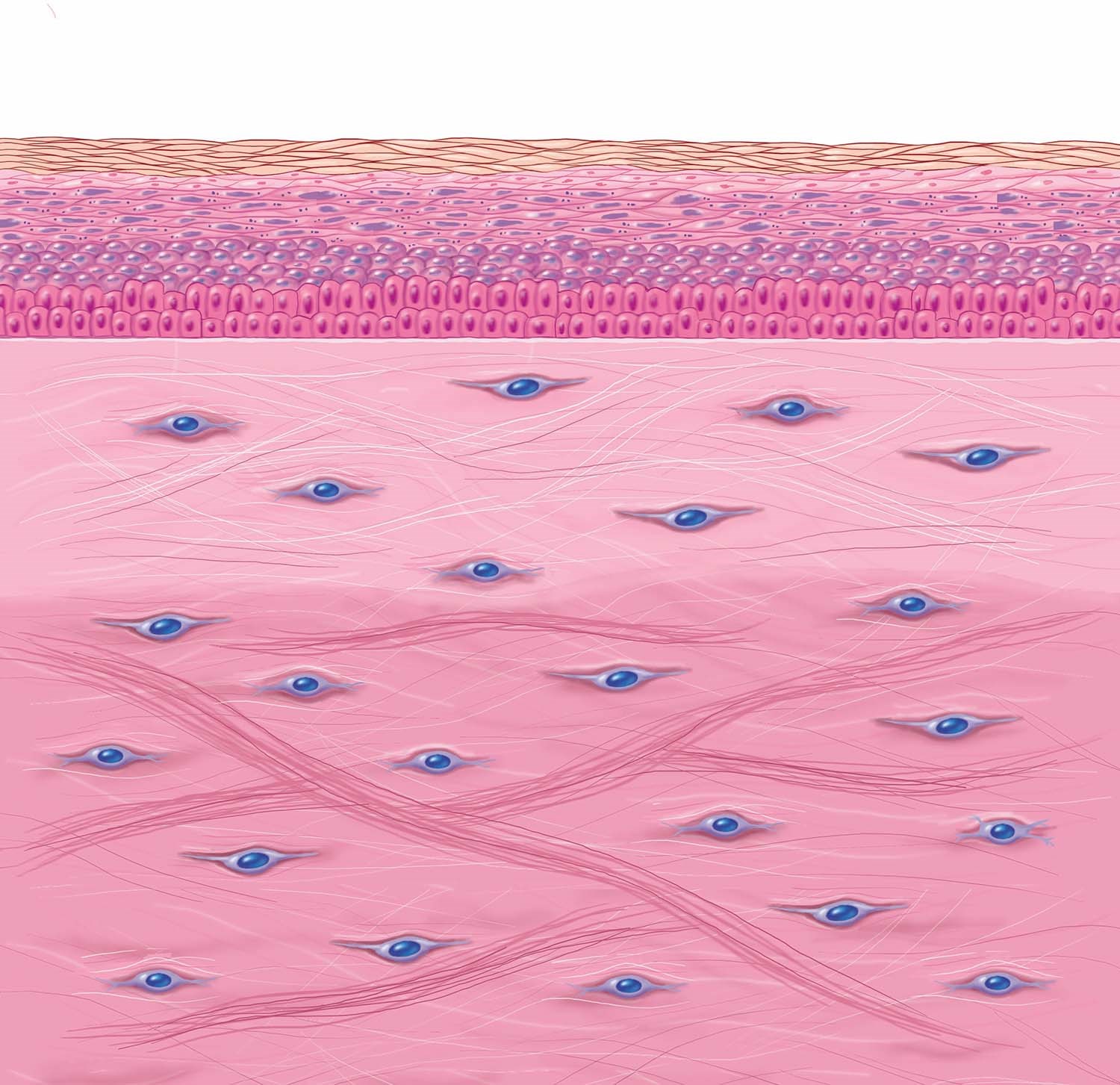
The Intricate Work of Marie Dauenheimer
Marie Dauenheimer is a Board Certified Medical Illustrator working in the Washington, DC [...]
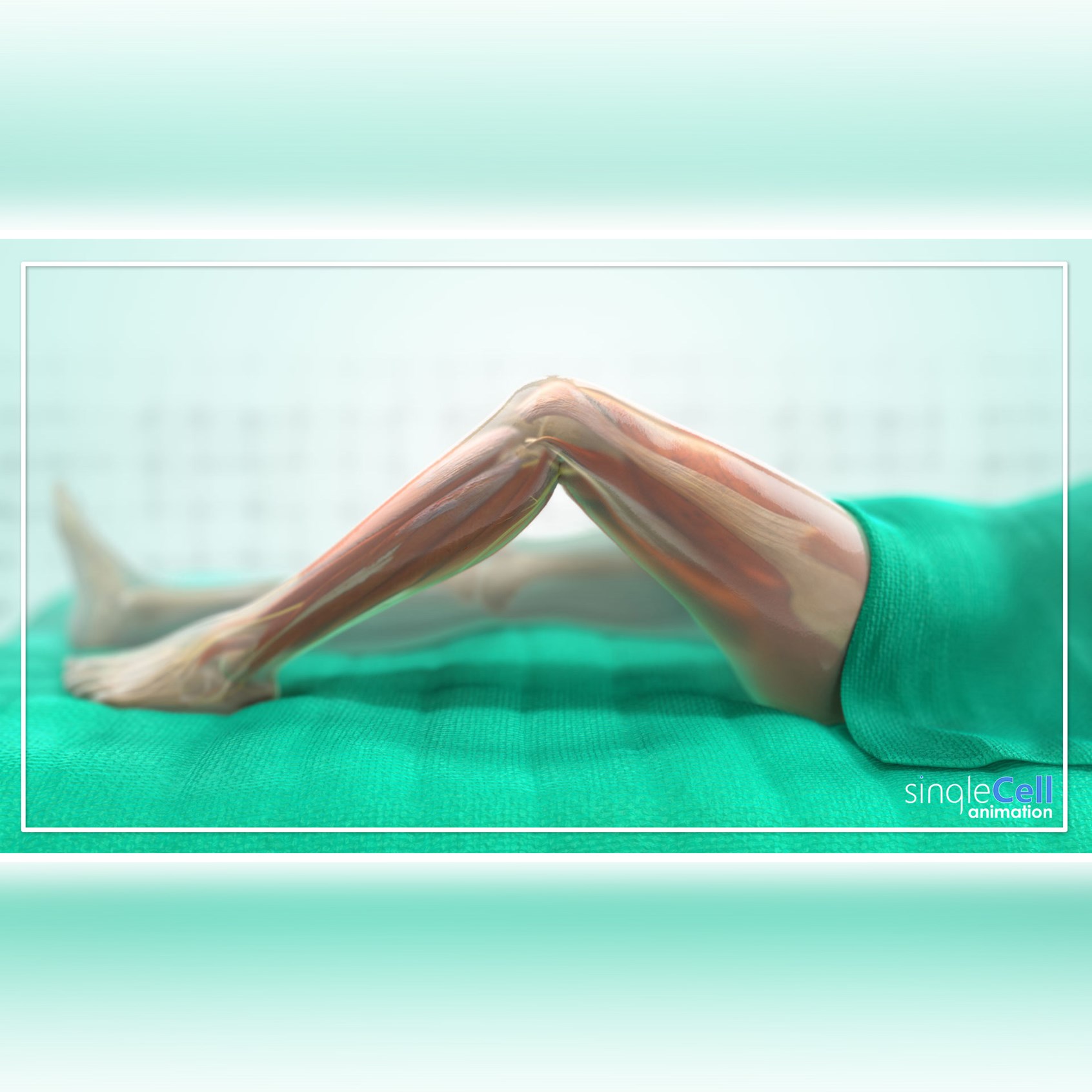
Single Cell Animation for Healing Hands of Nebraska
This animation is by Single Cell Animation for Healing Hands of Nebraska. The [...]

Zentech Zenlock – Oil Exploration Animation
Trinity artists show off their impressive 3D rendering skills during an oil well [...]
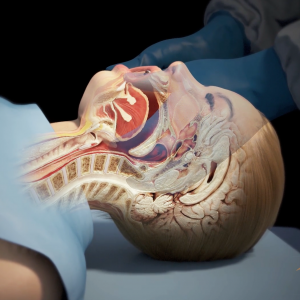
Nursing Procedures Medical Animations
A collection of medical animations shorts depicting nursing procedures: This still from [...]

Pseudobulbar Affect Illustration by Todd Buck
Pseudobulbar Affect is characterized by uncontrollable crying or laughing at inappropriate moments. CYP2D6 [...]
Water skimmers vs. deep sea divers
No doubt everyone on the planet is or has been both. And it seems pretty obvious that people generally prefer one over the other. But I have a question about the amount of time we spend in both, because it’d be difficult to either live deep in th...
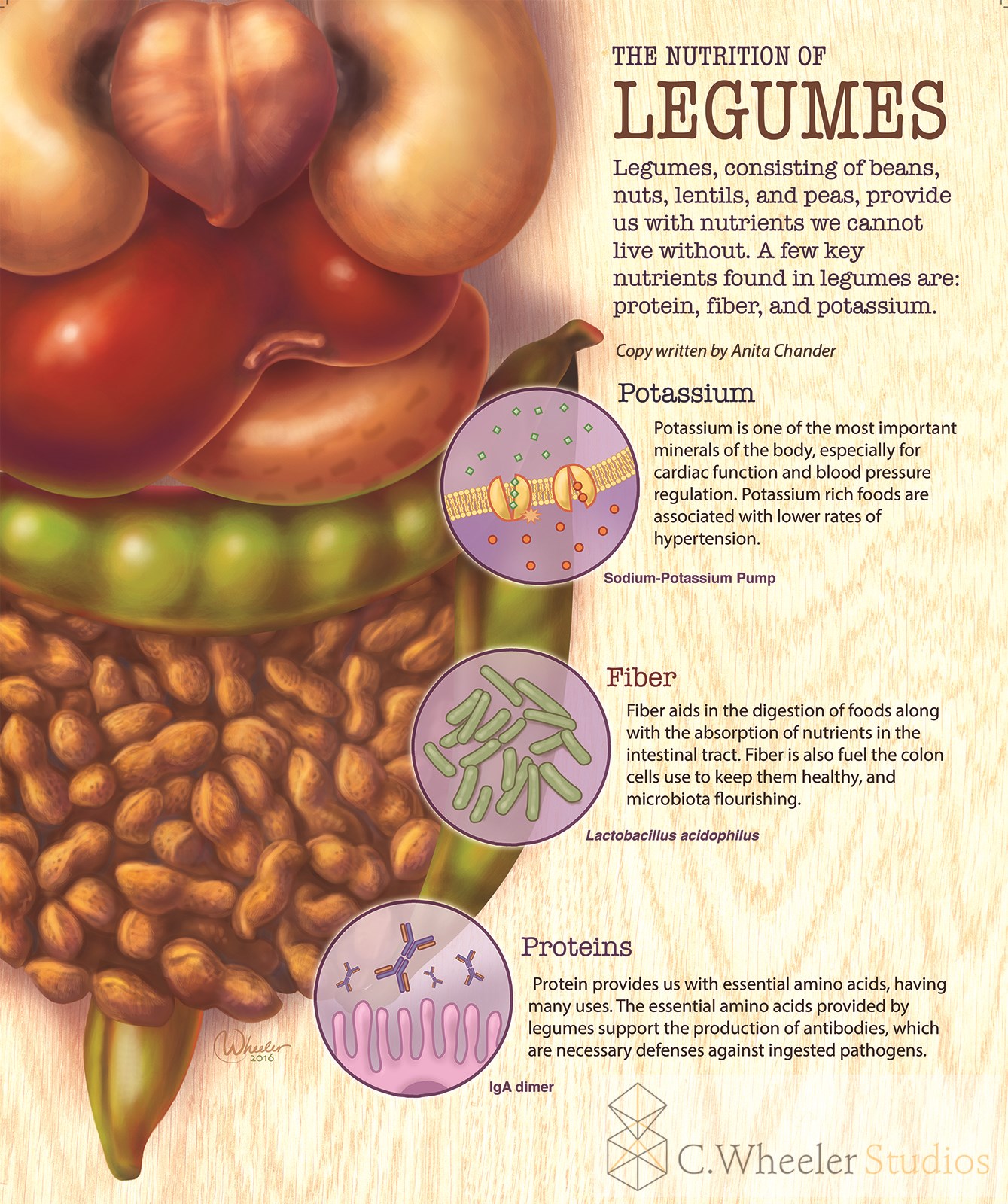
Nutritional Benefits of Legumes – C. Wheeler Studios
This image was created by C. Wheeler Studios as part of a university [...]

Surgical illustrations depict the da Vinci robotic arms as they operate inside the female human body
Our most recent project series of surgical illustrations depict the da Vinci robotic arms as they operate inside the female human body to surgically dissect the inter-vesico-vaginal space without opening the bladder dome. This preparation is necessary for the insertion of a female Artificial Urinary Sphincter – a procedure that is now entirely possible with the da Vinci robot, minimising post-operative recovery. New Standard of Excellence When we first started this surgical illustration project with a medical device company, we took the opportunity to get to know more about this amazing robot device and the people behind it. We discovered that behind the robotic surgery technology is a woman who has played an extremely important role in the development of the da Vinci robot as we know it today: New Zealand-born Catherine Mohr. It’s worth sharing her background, we always like to see women in tech at this level. The

How patients better recall medical information
We would like to share this excellent article on patient information recall we have come across, from Roy P C Kessels. The article points out at the difference of using videos with patients as opposed to static visuals or pictograms (or infographics) and provides some good reference for the ones involved in patient communication, still in doubt about which media should be chosen when assembling patient information. Interesting conclusions are drawn. Below an excerpt: “Memory for medical information is often poor and inaccurate, especially when the patient is old or anxious. [ ..] spoken information should be supported with written or visual material. Visual communication aids are especially effective in low-literacy patients, but video or multimedia techniques do not improve memory performance or adherence to therapy.” See the full article here https://goo.gl/uaWbZd References presented in this article are worth a quick read as well. Houts PS, Bachrach R, Witmer JT,
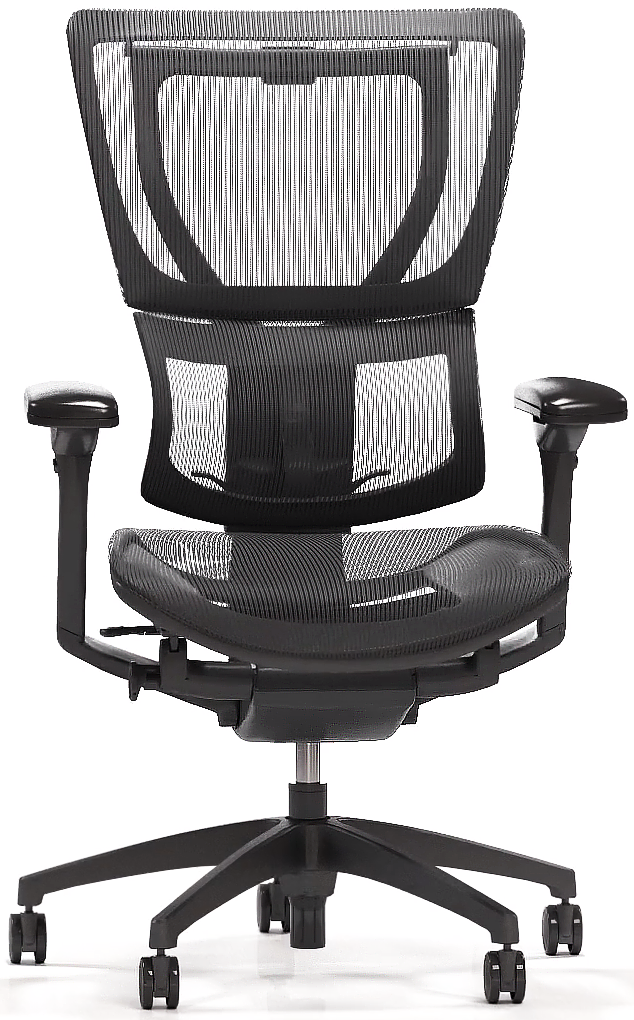
iOO Office Chair Assembly and Operation- 3D Product Animation
This 3D product animation, created by Trinity, demonstrates how to assemble and operate [...]

What do Nicole Kidman and I Have in Common?
I’m sad to say that for all my world adventures (Japan, Yugoslavia, Italy, Greece, Turkey, France, Spain, Mexico, Costa Rica, Belize, Germany, Austria, England, Wales, Scotland, Israel, Jordan), I’m not as cuisine curious as I ought to be.
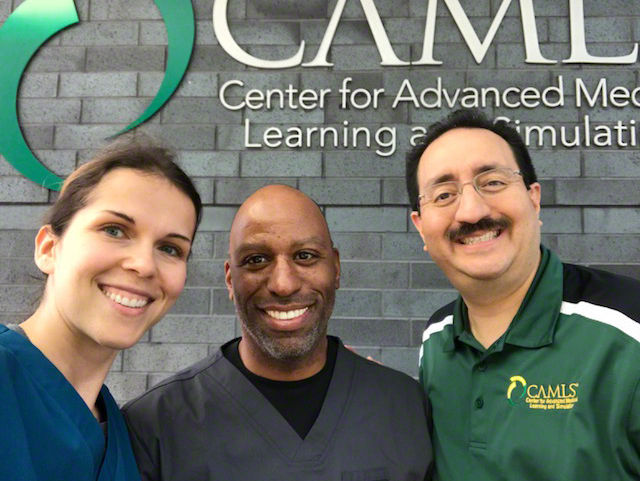
CAMLS Surgical Workshop in Tampa, FL
Marcelo and I had the pleasure to host a surgical workshop at the prestigious Center for Advance Medical Simulation & Learning in Tampa. We had a great turn out, enthusiastic comments, and met some incredible educators. Body Scientific hopes to get mor...
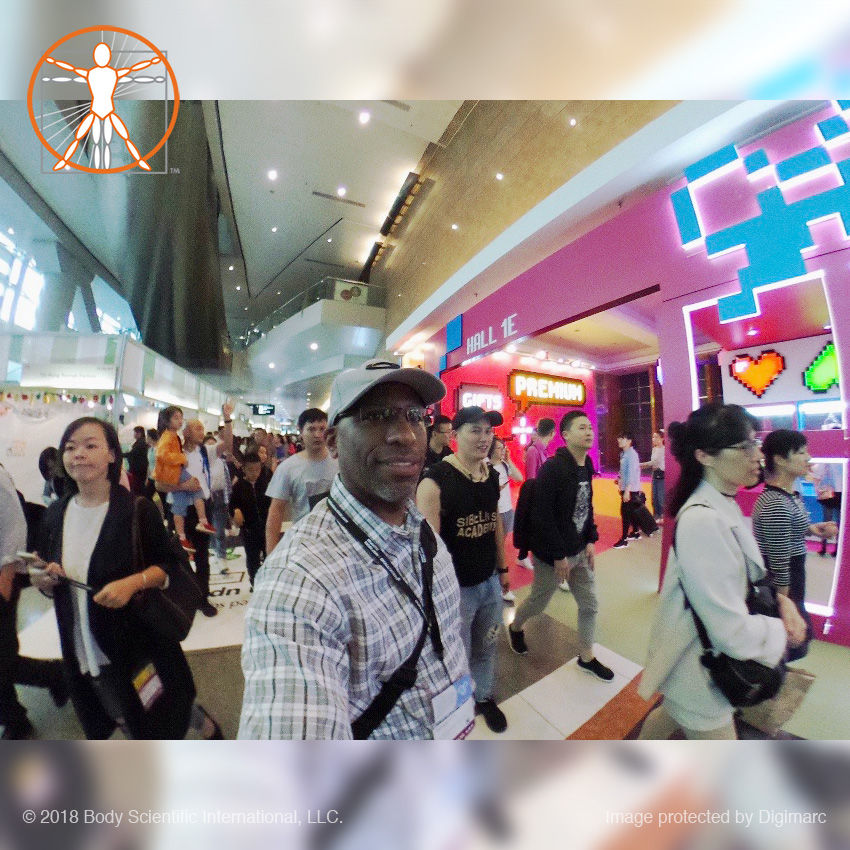
Hong Kong Gifts & Premium Fair
Marcelo just returned from his two week trip to Taiwan and Hong Kong. He visited the production factory to work out the final details for a recent custom model project and offered advice to improve the current production sample. Marcelo is one of the o...

Goodheart-Willcox: The Nursing Assistant
This is our tenth publication with Goodheart-Willcox and first released publication of 2018. Body Scientific is the sole artwork provider for Goodheart-Willcox’s anatomy and physiology division. We had the pleasure to work on their latest Nursing Assis...
Have you ever noticed…
… that when you drive up to an intersection, the second you do, for that brief moment, the coast is clear? But if you wait, then you wait for a very long time? I’ve wondered about this for years, and I’ve decided I can either take this as s...

Summit Plaza – Exterior Real Estate Renderings
Trinity Can Help Retailers and Builders Adapt and Thrive with its State-of-the Art [...]
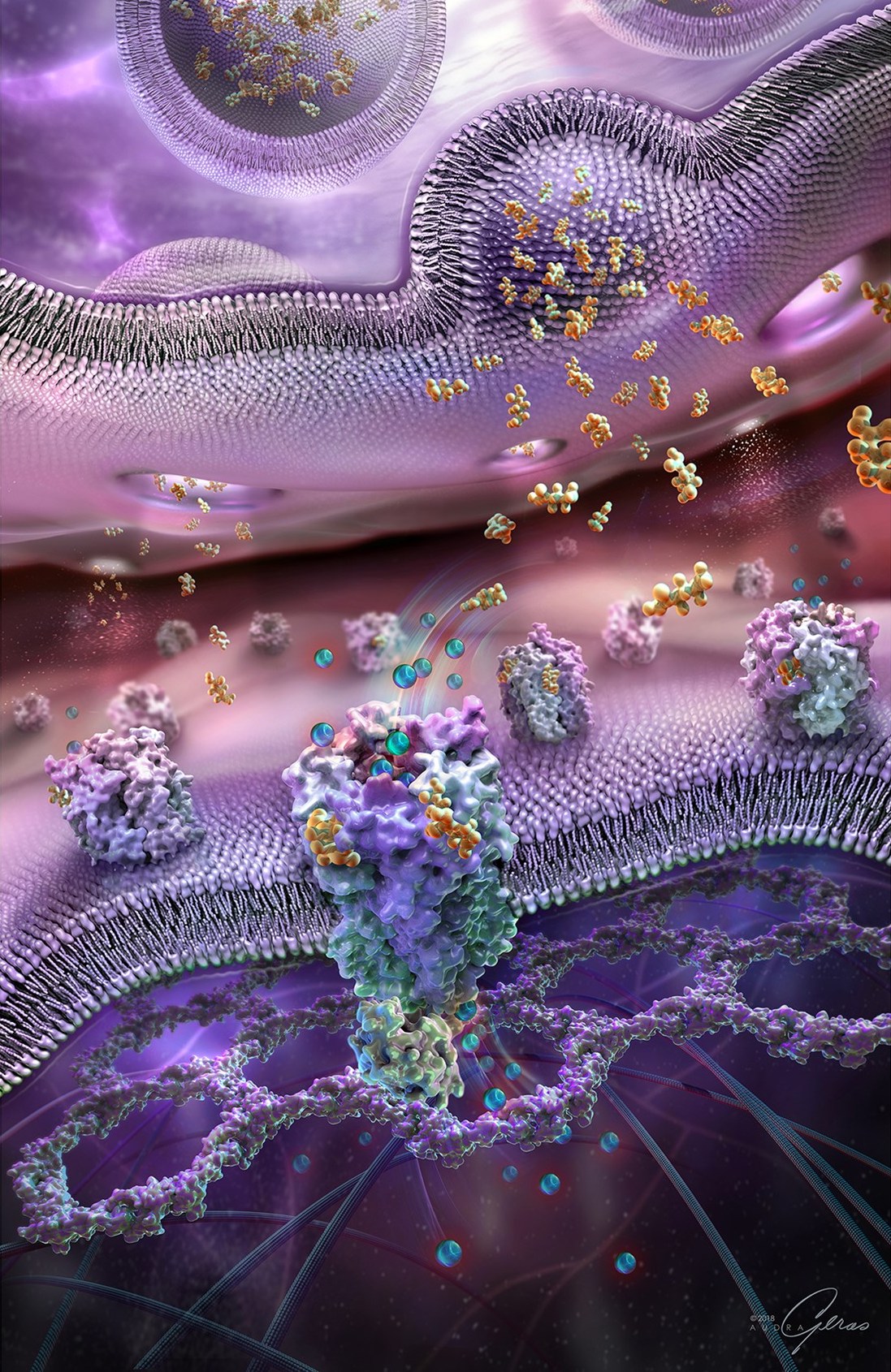
Gaba Neurotransmitters – Audra Geras
This view into a synapse was created for a biotechnology firm by Audra [...]

BluHawk Mall Exterior – Real Estate 3D rendering
Trinity Animation has successfully created an impressive real estate 3d rendering tour of [...]
Visualize this… (ruminations on how we see)
I was surprised when I found out I don’t live in real time. Nobody does, which is slightly creepy. Here’s what I’ve learned… Though anyone would swear that what they see is one complete picture, in fact, it isn’t at all. T...
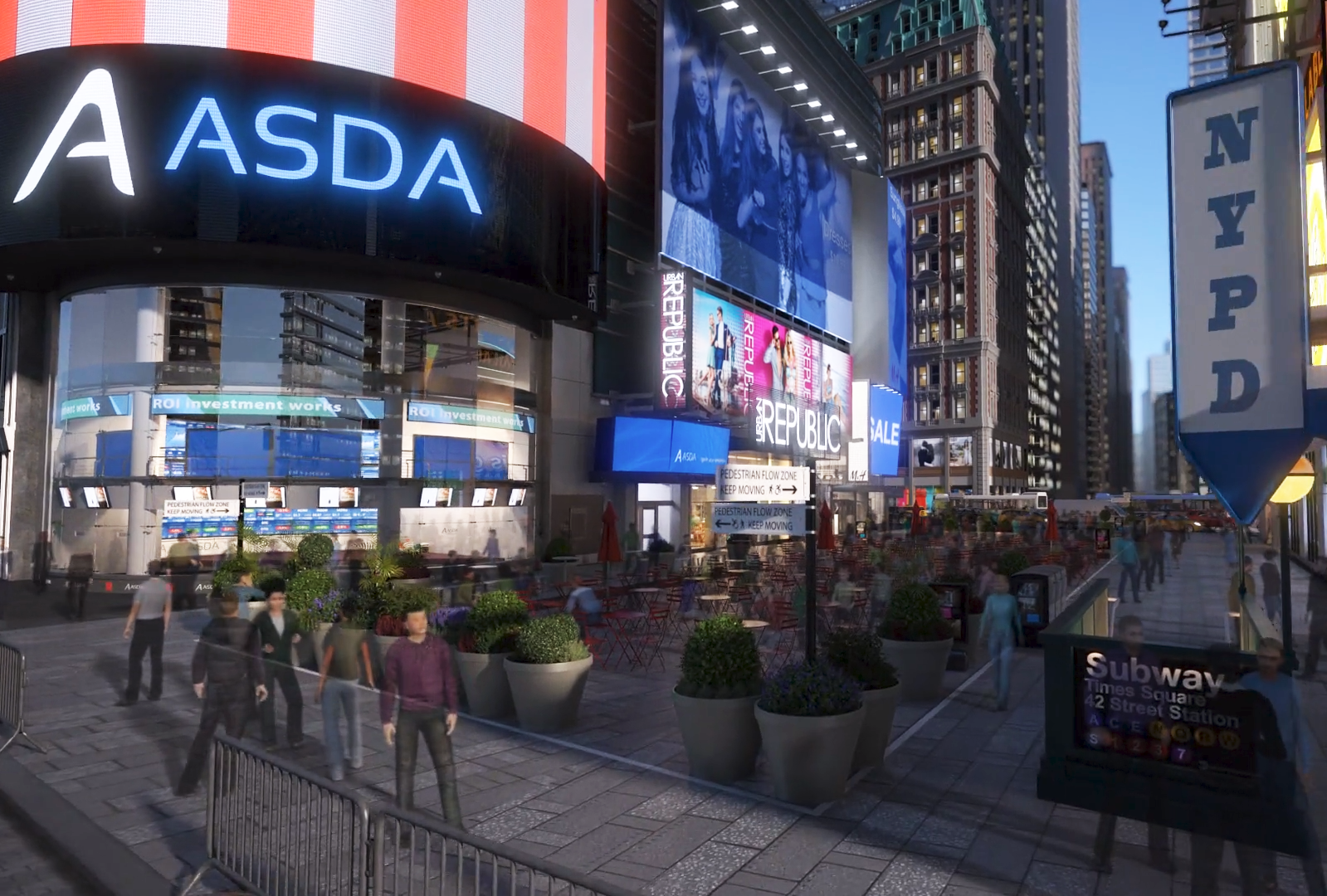
City Animation: Touring Times Square
A New York Architectural Animation Trinity’s Quintessential City Animation Brings Times Square to [...]
Extracellular Vesicles VR project – ISEV
Arkitek has created the first ever VR experience that highlights extracellular vesicles, tiny bubbles made from cell membranes that contain information cells use to communicate with one another. This work was premiered at the International Society for ...
Is Art an Invention or a Discovery?
This is something that’s nagged me for a very long time, and I’ve asked a ton of people for their opinion. And what’s interesting is that everyone answers immediately, DECISIVELY, one way or the other, and then they stop – and they think about it again...

Yale Lock Highlights-3D Product visualization
This 3D product visualization video created by Trinity Animation, demonstrates how to assemble [...]

Wakarusa Wastewater Treatment Site – Sales Animation
This sales animation produced by Trinity 3D exhibits a Wastewater Treatment Site located [...]
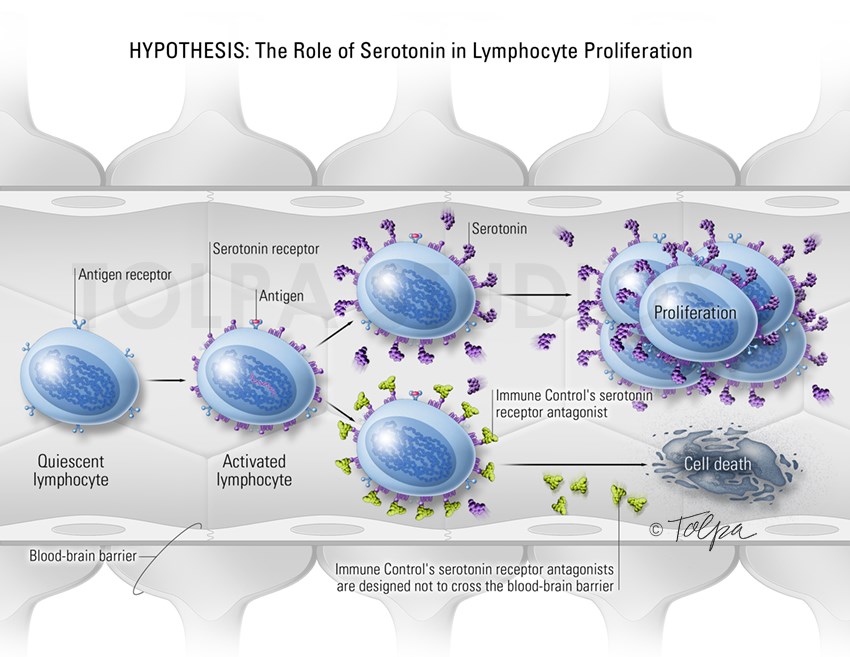
The Award-Winning Tolpa Studios
Tolpa Studios is an award-winning, Seattle-based illustration and design studio specializing in infographics, [...]
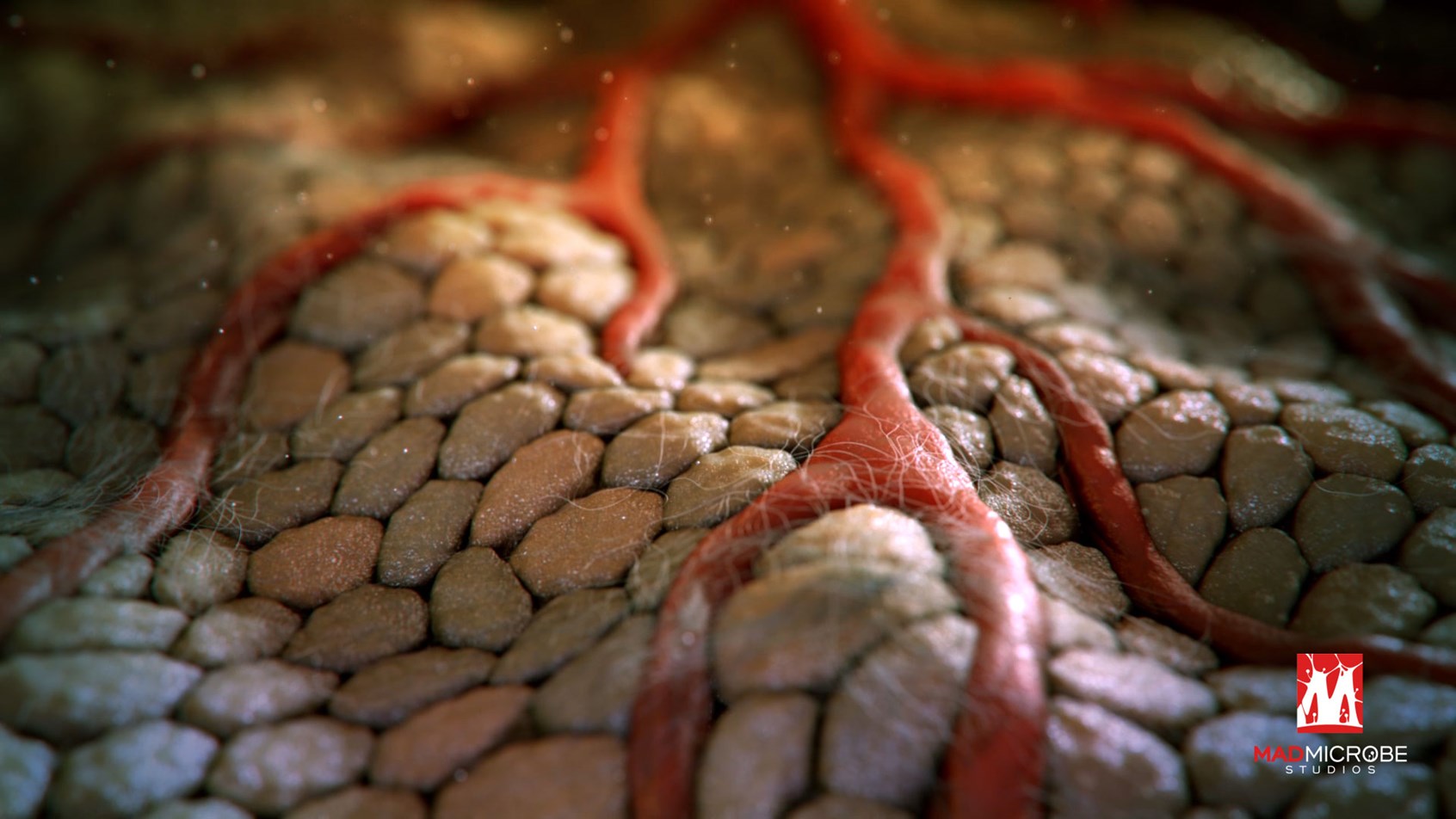
MadMicrobe Studios’ Incredible Medical Animations
MadMicrobe is an award-winning team of exceptional artists and science experts with decades [...]
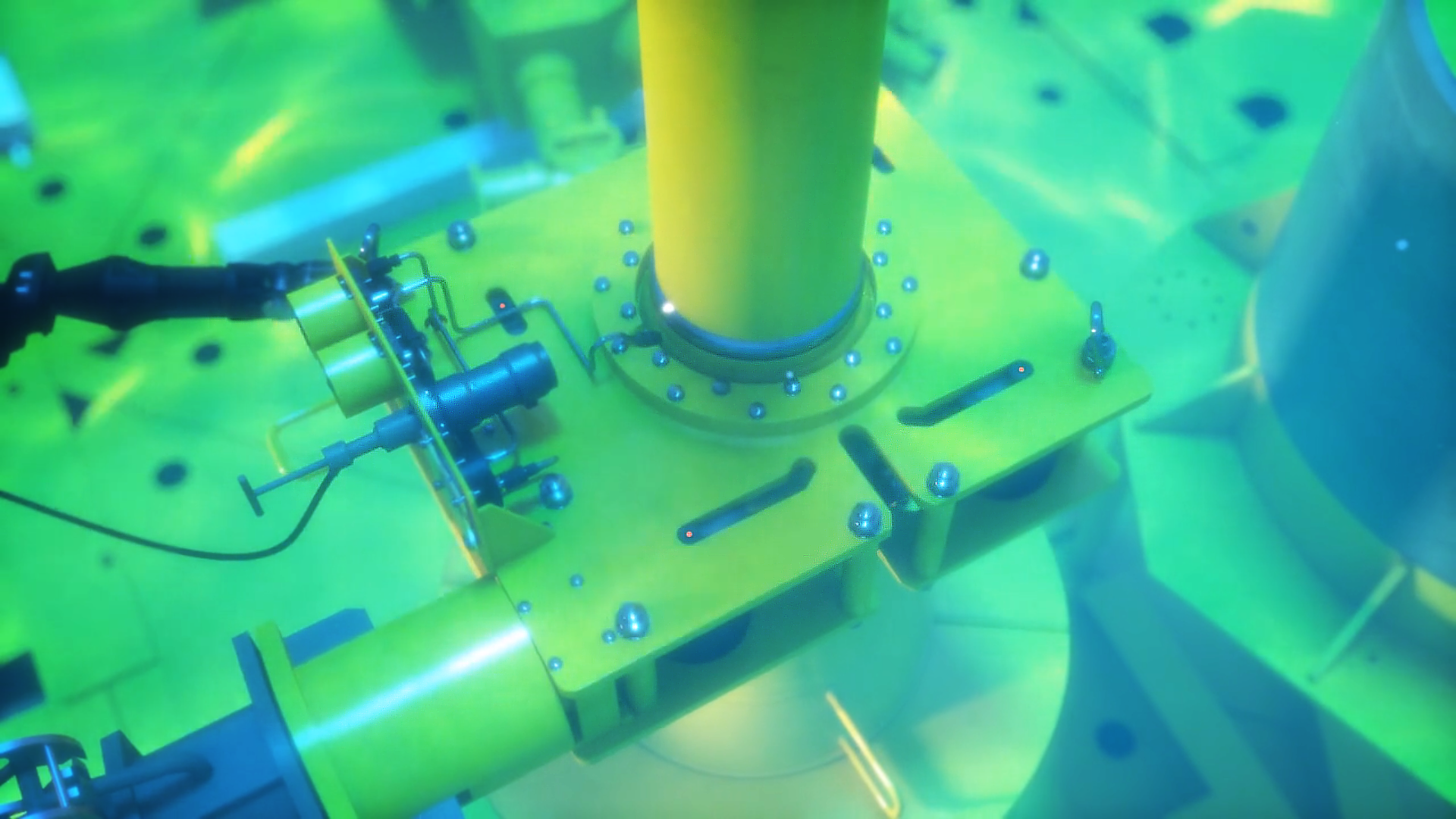
Oil States Multi-Segmented CLamp-Mechanical Animation
Trinity Animation creates an impressive mechanical animation demonstrating the Oil State’s underwater pipeline [...]

Explainer Video for Industrial Process
Trinity Animation produced a series of three corporate explainer videos for their client, the Metropolitan [...]
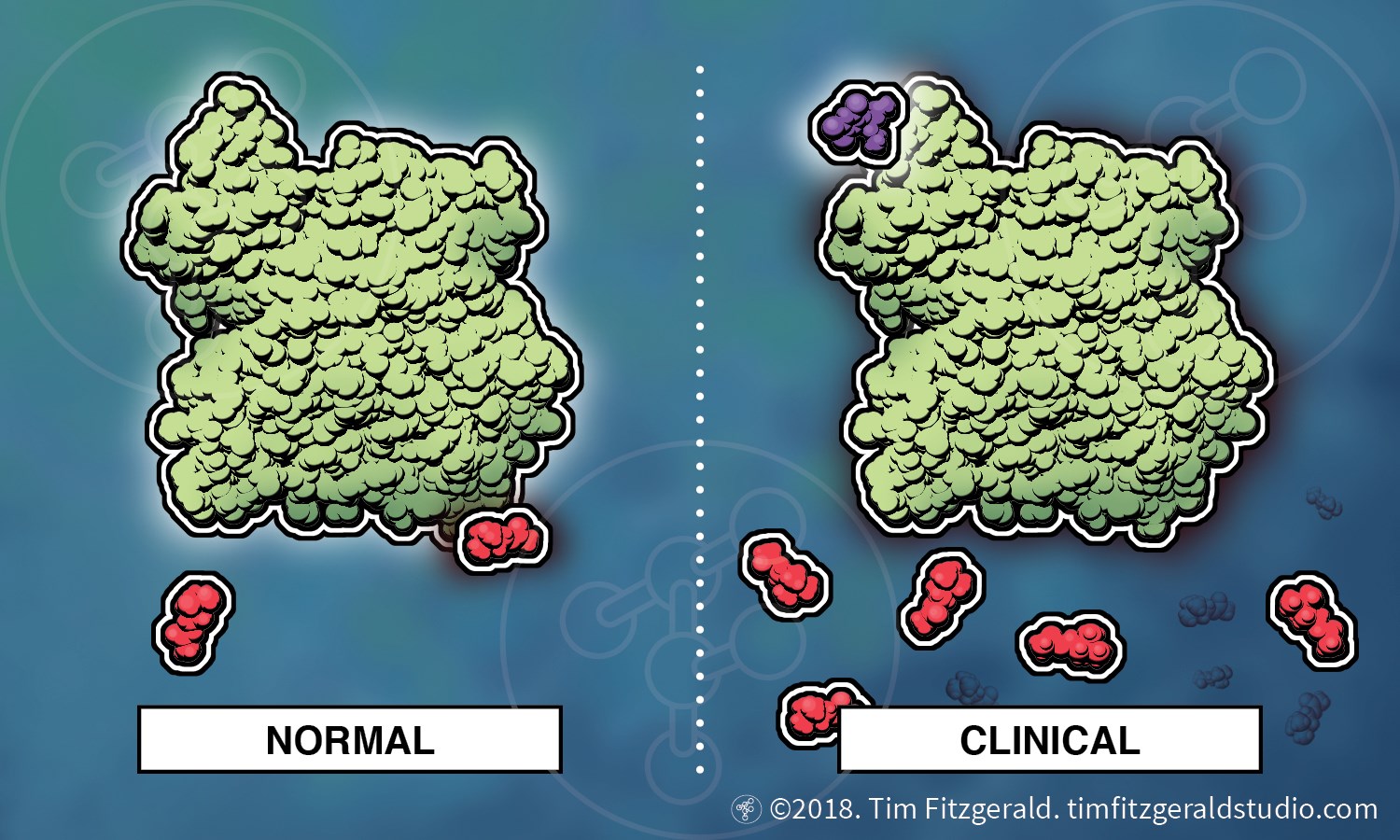
The Medical and Legal Art of Tim Fitzgerald
Tim Fitzgerald is an Atlanta-area medical illustrator and animator. He has a strong [...]
Up/Start 2018 $30K Award
Fairman Studios, LLC — Winner $30K in 2018 UP/Start Competition Apr 5, 2018 – MICA-Medium [...]