Warning: Undefined array key "header" in /home/u463395417/domains/blog.medillsb.com/public_html/wp-content/themes/Avada/includes/options/header.php on line 119

Warning: Trying to access array offset on null in /home/u463395417/domains/blog.medillsb.com/public_html/wp-content/themes/Avada/includes/options/header.php on line 119

Warning: Undefined array key "header" in /home/u463395417/domains/blog.medillsb.com/public_html/wp-content/themes/Avada/includes/options/header.php on line 654

Warning: Trying to access array offset on null in /home/u463395417/domains/blog.medillsb.com/public_html/wp-content/themes/Avada/includes/options/header.php on line 654

Warning: Undefined array key "header" in /home/u463395417/domains/blog.medillsb.com/public_html/wp-content/themes/Avada/includes/options/header.php on line 857

Warning: Trying to access array offset on null in /home/u463395417/domains/blog.medillsb.com/public_html/wp-content/themes/Avada/includes/options/header.php on line 857

Warning: Undefined array key "header" in /home/u463395417/domains/blog.medillsb.com/public_html/wp-content/themes/Avada/includes/options/header.php on line 1265

Warning: Trying to access array offset on null in /home/u463395417/domains/blog.medillsb.com/public_html/wp-content/themes/Avada/includes/options/header.php on line 1265

Warning: Undefined array key "header" in /home/u463395417/domains/blog.medillsb.com/public_html/wp-content/themes/Avada/includes/options/menu.php on line 115

Warning: Trying to access array offset on null in /home/u463395417/domains/blog.medillsb.com/public_html/wp-content/themes/Avada/includes/options/menu.php on line 115

Warning: Undefined array key "header" in /home/u463395417/domains/blog.medillsb.com/public_html/wp-content/themes/Avada/includes/options/social_media.php on line 230

Warning: Trying to access array offset on null in /home/u463395417/domains/blog.medillsb.com/public_html/wp-content/themes/Avada/includes/options/social_media.php on line 230
Artists' Blogs :: Medical Illustration Sourcebook – Page 13

Artists' Blogs

Sculpture, photography, and information graphics

By |June 18th, 2014|Syndicated Content|

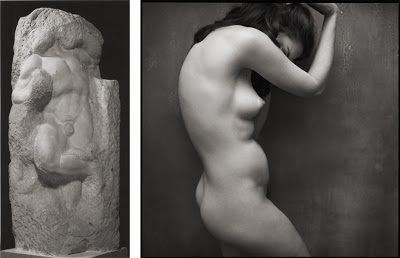
As I was taking pictures over the weekend it occurred to me that the act of taking a photograph is reductive. The same is true for sculpting with marble.Look at these two images:Michelangelo used chisels and hammers to chip into the block of marble in ...

Ink drawings and information graphics

By |June 18th, 2014|Syndicated Content|

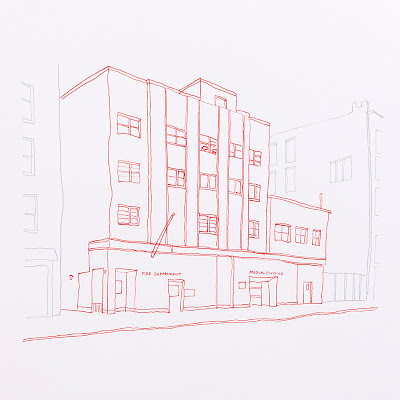
I've been taking pictures of the city that I use as reference for ink drawings.It's good to have ink on my fingers. It's good to smell materials other than the plastic and metal of my computer. It's good to have a tangible object in my hands after...

A visual definition of information graphics

By |June 18th, 2014|Syndicated Content|

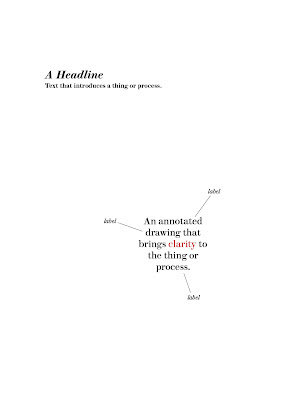
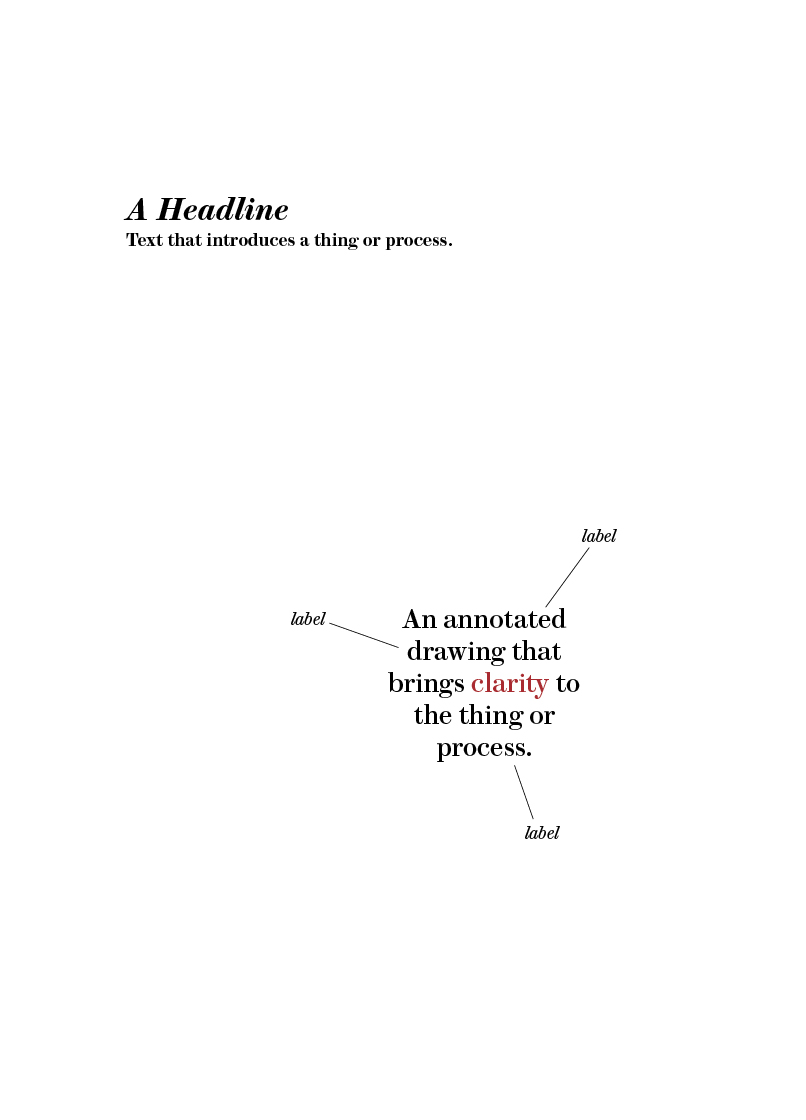
Eighty-one professionals were asked to create a visual definition of information graphics for a book that was published by the Society of News Designers Español.

When I was asked to do this, I froze. Talk about a blank canvas staring you in the face. An information graphic about an information graphic. How meta! My initial ideas involved illustrating the process of going from complexity to simplicity. I considered taking a photo of downtown NYC and then creating a 3-D rendering of the same area with one building highlighted in blue. Lame. One thing my father taught me is to throw out the first idea you come up with; it's usually too simple or surface oriented.

I continued to agonize over the assignment. I felt more and more that the only way to define an information graphic was through words. What are words anyway but organized collections of letters? And what are letters but symbols composed of abstract lines and geometric shapes?

Here's what I came up with:


A visual definition of information graphics


After the judging at Malofiej20 I'm not sure I would say that an information graphic must have annotations or words though. There was an entry by National Geographic that was a reconstruction of a primitive man's face. The general consensus was that it wasn't an information graphic. I argued that it was— it was a visual that informed the reader of a possible facial structure of our ancestors. I said that there was a science to these reconstructions. Someone then said that they would feel it was an information graphic if it was annotated. At the time I agreed. I've since changed my mind. In hindsight I wish I had stuck to my guns on this one.

To prove my point, this is my favorite information graphic:

A visual definition of information graphics


It's a color wheel developed by Johannes Itten. I use it all the time. Complementary colors are opposite one another. It shows how the primary colors mix to make the secondary and tertiary colors. It's informative and extremely useful.

Constipation in Children

By |June 18th, 2014|Syndicated Content|

This editorial illustration was created for a July 2014 cover of American Family Physician. The image summarizes Constipation in Children. Childhood constipation is common and almost always functional without an organic etiology. Stool retention can lead to fecal incontinence in some patients. Often, a medical history and physical examination are sufficient to diagnose functional constipation. […]

Permanence Lost

By |June 13th, 2014|Syndicated Content|

I've been reading Blake's The Book of Urizen. This new series draws inspiration from it. It's titled Permanence Lost. Each painting measures 14"x11". Silk and encaustic on panel.

Severe Osteoarthritis of the Knee

By |June 11th, 2014|Syndicated Content|

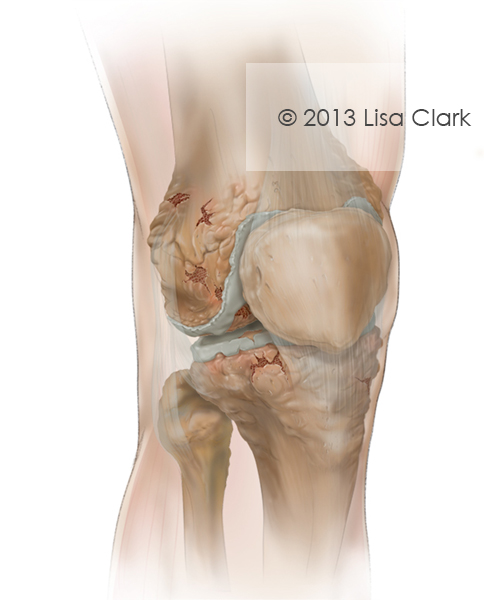
Arthritis is an inflammation of joints. Osteoarthritis (OA) is divided into stages. The highest stage, 4, is assigned to severe OA. OA that has become this advanced is likely causing significant pain and disruption to joint movement.

The post Severe Osteoarthritis of the Knee appeared first on Clark Medical Illustration.

Age Power – How the ‘New Old’ are Transforming Healthcare

By |June 10th, 2014|Featured Work, Original Content|

Today's aging population has had a profound effect on the healthcare industry, as [...]

Every Angel is Terror

By |June 9th, 2014|Syndicated Content|

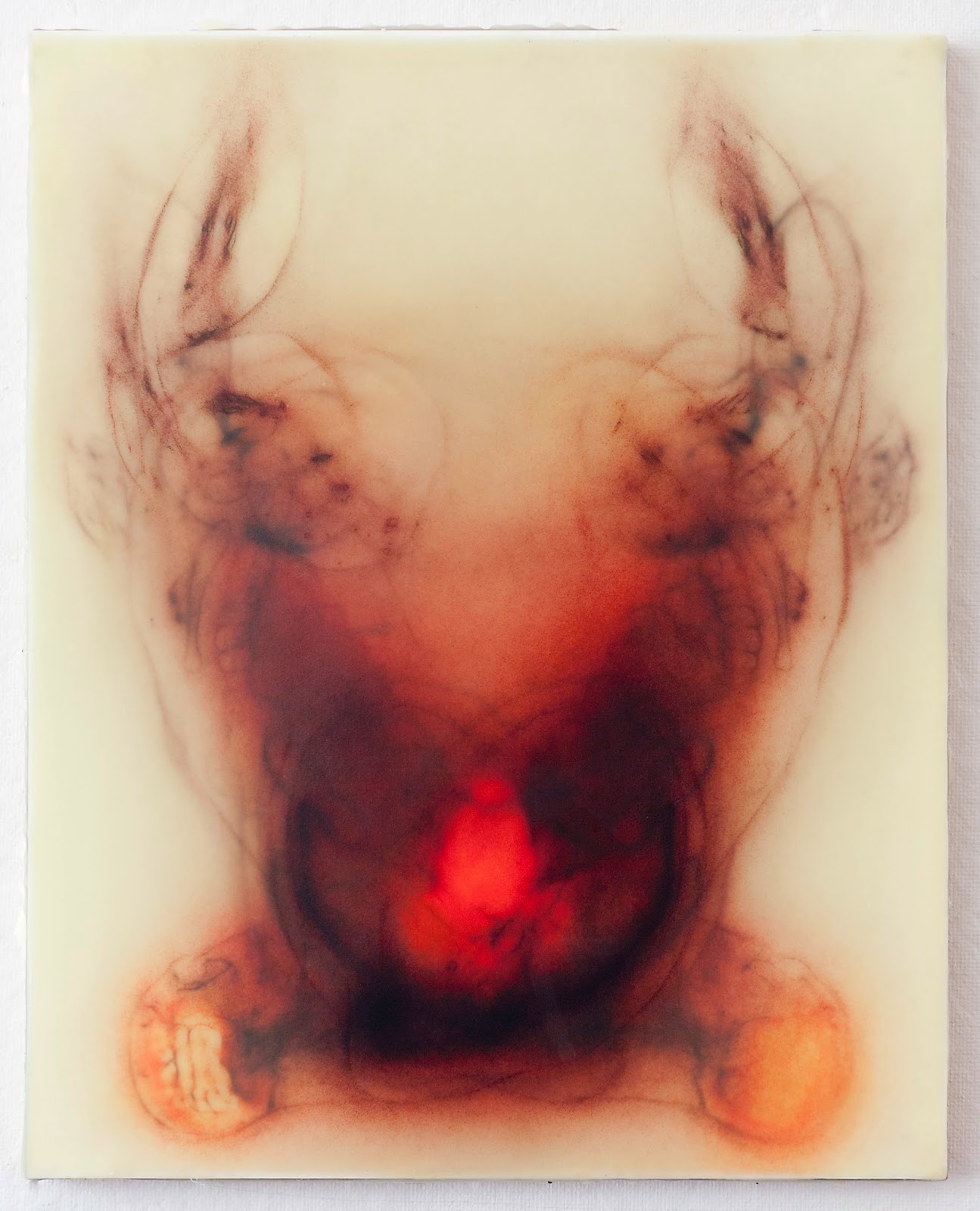
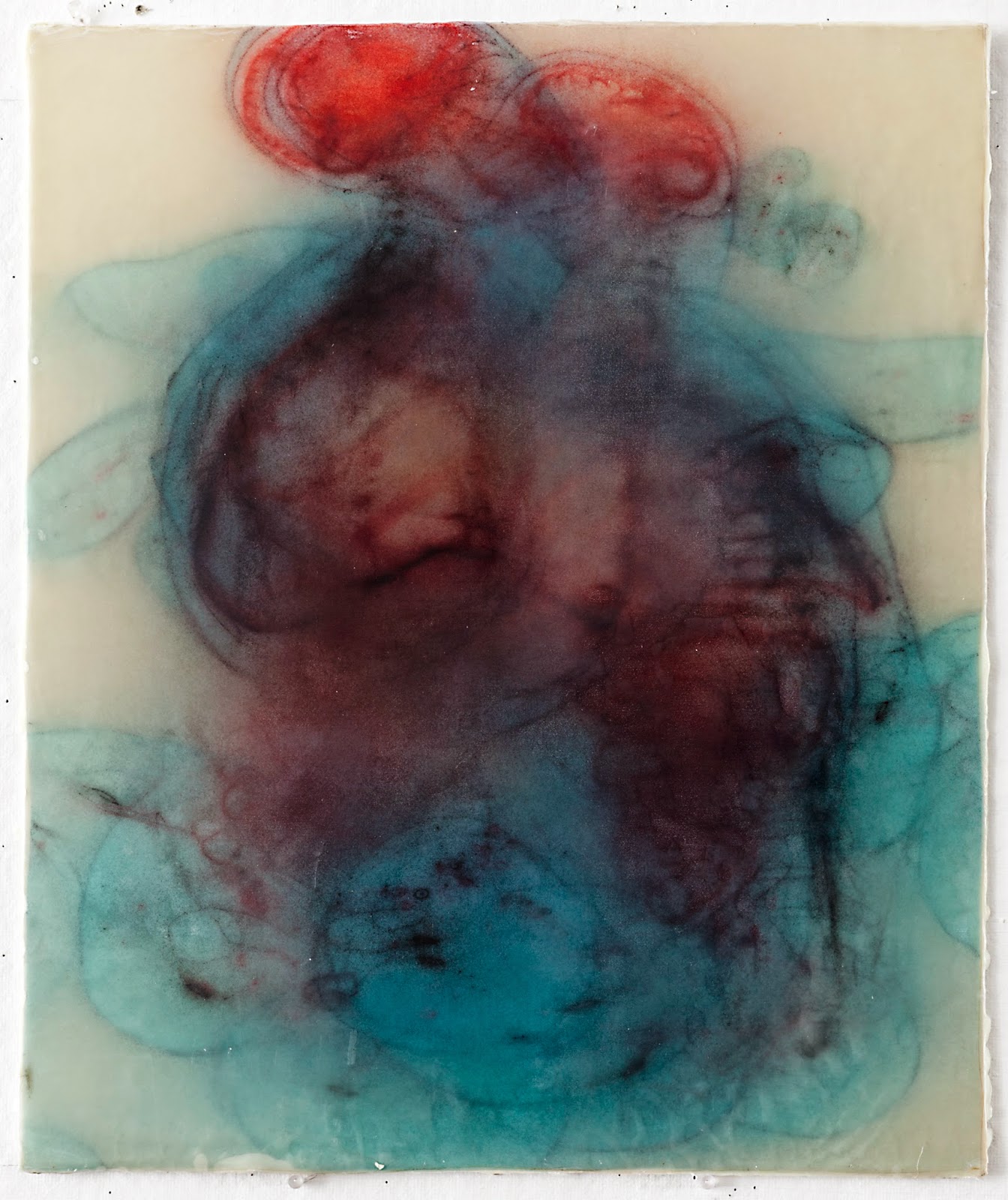
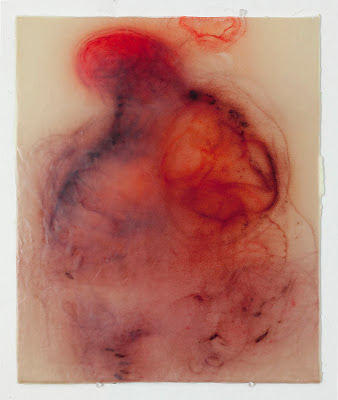
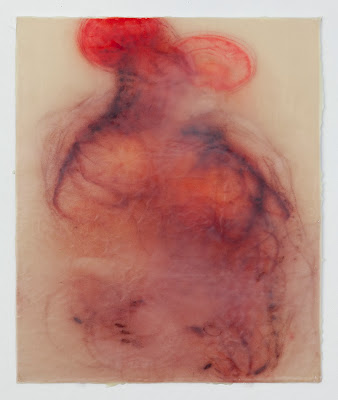
Here are a few pieces I've been working on. The series is titled Every Angel is Terror. The name is a line from a Rumi poem I recently read. Each measures 20"x16". Encaustic and silk on panel.

Works on paper

By |June 5th, 2014|Syndicated Content|

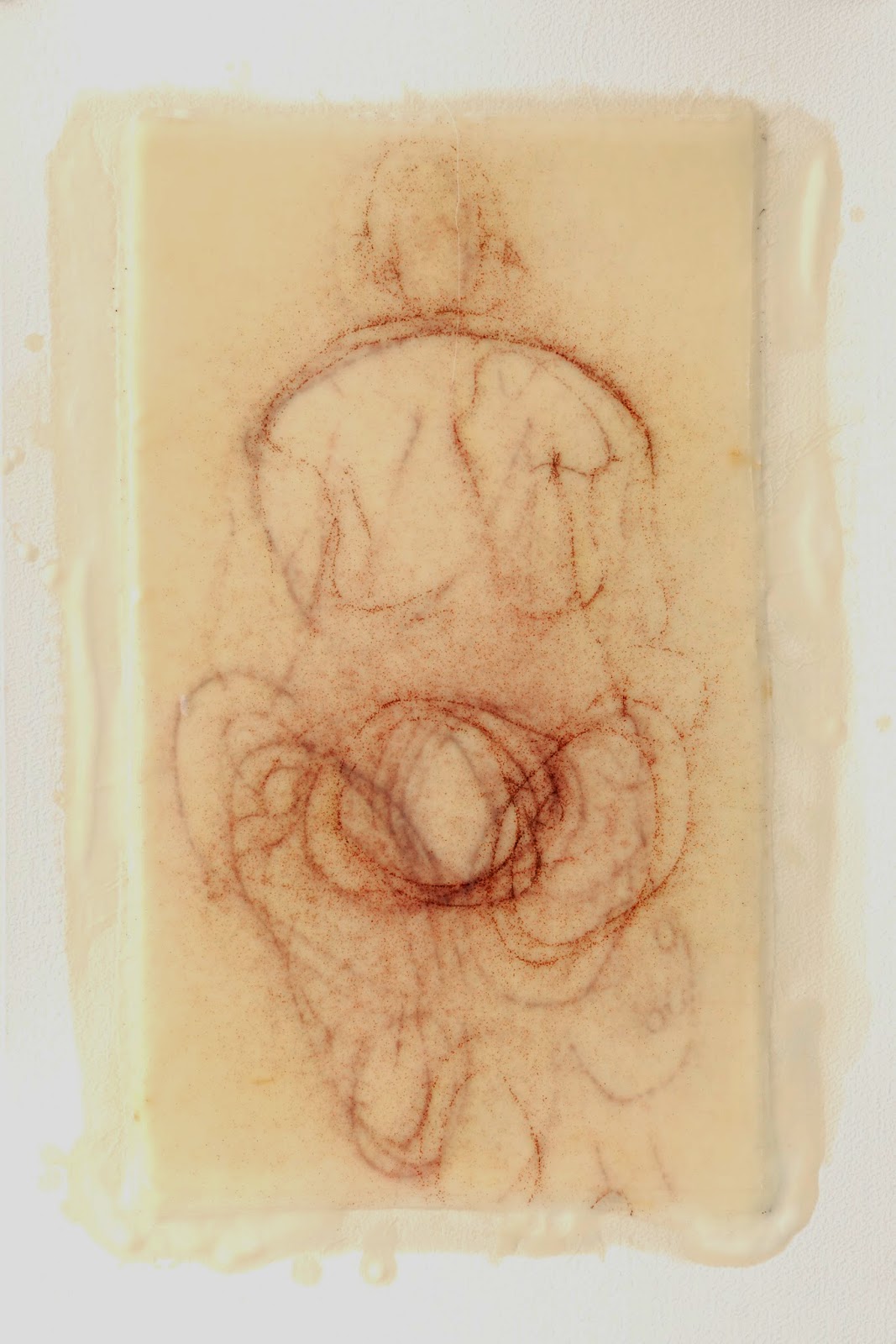
I've decided to explore working with line:I'm using a paper support rather than a wood panel. I like the rough edges. These are more figurative than than the recent abstracted work I've been making. It's refreshing to go back to the figure.

Periocular Aesthetics

By |June 4th, 2014|Syndicated Content|

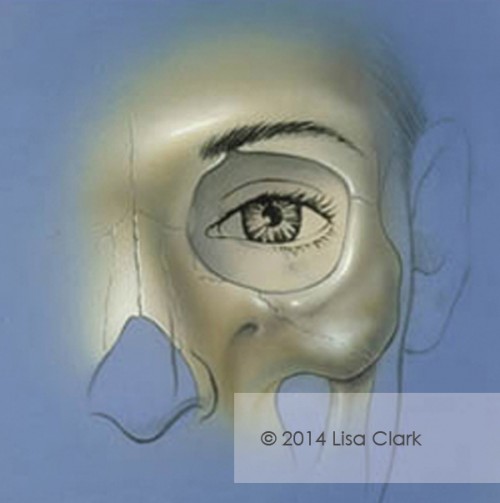
The illustration demonstrates desired position and proportion of the eye, brow and eyelid relative to the ocular orbit. The post Periocular Aesthetics appeared first on Clark Medical Illustration.

Conversation with Medical Illustrator Todd Buck

By |May 27th, 2014|Featured Work|

Todd is president and owner of Todd Buck Illustration, Inc. Todd Buck [...]

Female Pelvic Floor

By |May 6th, 2014|Syndicated Content|

The pelvic floor is made of several muscle layers that form a bowl shape within the pelvis. This image illustrates a side view of the uterus, bladder, rectum and pelvic floor muscles. The post Female Pelvic Floor appeared first on Clark Medical Illust...

Feline Olfactory System

By |May 6th, 2014|Syndicated Content|

This is a still from a recent animation project on the feline olfactory system and appetite. The post Feline Olfactory System appeared first on Clark Medical Illustration.

Carotid Stenosis

By |May 4th, 2014|Syndicated Content|

Carotid stenosis is a condition in which the carotid arteries become narrowed or blocked. This image was used for a medical journal cover.

The post Carotid Stenosis appeared first on Clark Medical Illustration.

Hiatal Hernia Graft

By |May 3rd, 2014|Syndicated Content|

The hiatus is an opening in the diaphragm (the muscular wall separating the chest cavity from the abdomen). Typically, the esophagus goes through the hiatus and attaches to the stomach. In a hiatal hernia the stomach bulges up into the chest through that opening. This illustration depicts a hernia […]

The post Hiatal Hernia Graft appeared first on Clark Medical Illustration.

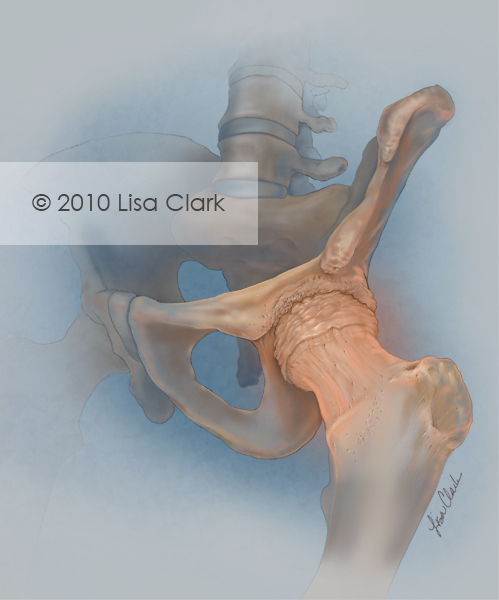
Osteoarthritis of the Hip

By |April 30th, 2014|Syndicated Content|

Osteoarthritis occurs when inflammation and injury to a joint cause cartilage tissue to break down. The breakdown of cartilage causes pain, inflammation, and deformity. The post Osteoarthritis of the Hip appeared first on Clark Medical Illustration.

Opening reception for Transmutation

By |April 29th, 2014|Syndicated Content|


Opening reception for Transmutation

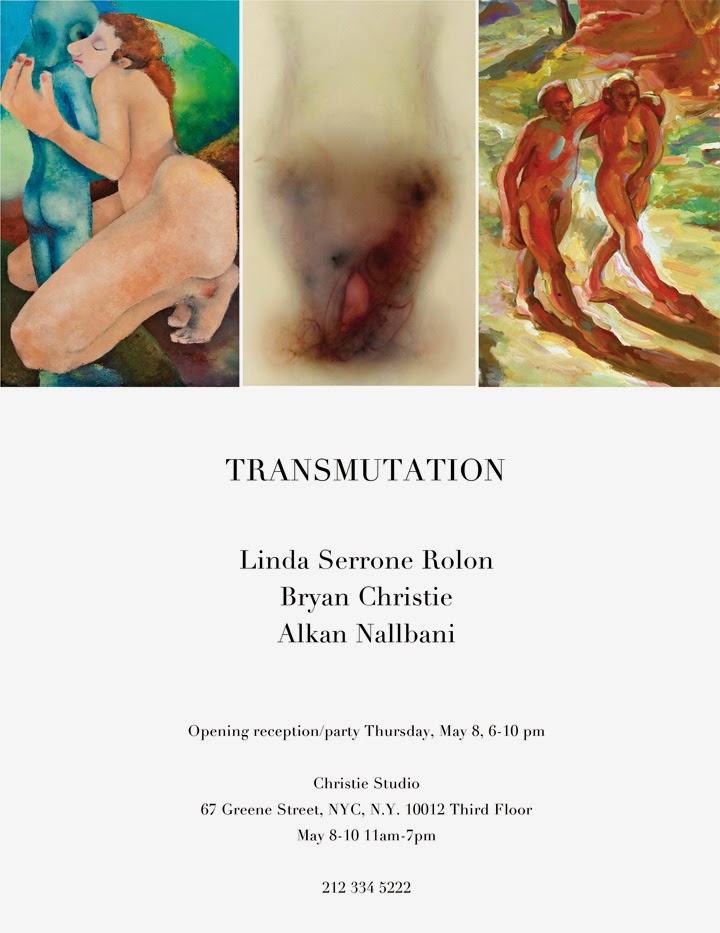
I'm hosting a three-person show at my studio. I'm showing with two other wonderful artists: Linda Serrone Rolon and Alkan Nallbani. The opening is on Thursday, May 8th, from 6 to 10pm. If you're in the NYC area, please come by!

The show will be up through Saturday, May 10th. 11am-6pm.

Press release:

TRANSMUTATION

Please Join Us Thursday, May 8, 6-10pm

Christie Studio, 67 Greene Street, 3rd floor

New York City


Please accept this invitation to view the works by Linda Serrone Rolon, Bryan Christie, and Alkan Nallbani and their connection to Transmutation.  
Linda Serrone Rolon's elements of Transmutation are a conversion of life, material, and imagination.  Rolon has been painting Mother and Child as subject long before she even thought about being a mom.  Each interpretation is a reflection of her own personal experience and a deep connection to others’ stories of being a mother and/or a child.  “It is the surface that I need to keep clean and smooth. That feeling to make a terrible situation perfect, like in cinema—its nostalgic effort to turn an image into a life lesson.” From the boroughs of NYC, Rolon continues to work in Brooklyn with family in tow and has retired parts of her life to reconnect with the community in the only way she knows how (through her art).
Bryan Christie’s work explores the spectrum of human experience. "Our lives start with trauma as we are brought into the world from the safety of our mother's womb. We eventually die, experiencing the loss of all that is dear to us. Yet transcendence and the experience of the sublime are rooted in this fleeting material existence. The divine is made evident through tangible and sensual experience; without our physical selves, we would not experience moments of wonder and the mysterious." 
His work is an attempt to transform the lasting effects of his post-traumatic stress disorder from childhood abuse into a message of acceptance, love, and compassion. He ultimately believes that "the human body can express spiritual truths, and my work seeks to inspire a visceral experience of the ultimate love, truth, and beauty that lies in the heart of our world."
Christie’s paintings are created from multiple layers of silk bound together with encaustic, mounted on wooden panels. Many of the figures’ poses are derived from ancient classical sculpture and Renaissance paintings. Christie is inspired by these historical works because of the interplay between our flesh-and-blood existence and something less tangible—our soul.
Alkan Nallbani’s work presents simple images intended to suggest universal themes – humanity, sexuality, environment – raising questions about our existence along the continuum of time.  “My journey from repression to freedom is essential to, and provides the context for, my work but does not constrain it.  Although I cannot remain indifferent to the indelible mark imprinted upon me by such experiences, it is not specifically my identity as an Albanian or immigrant that interests me, but rather the transformative nature of the immigrant experience, inextricably linked with its timeless themes of dislocation, and the continuous challenge of humanity.” 


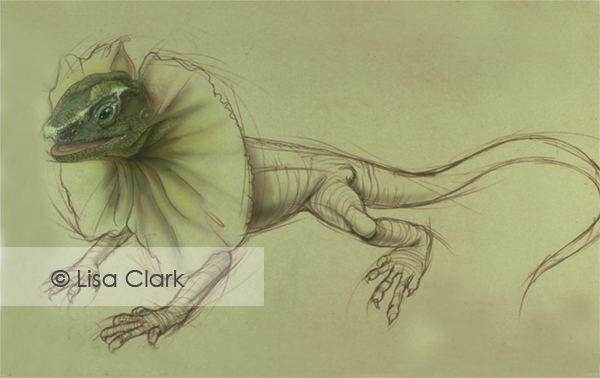
Frill Neck Lizard

By |April 29th, 2014|Syndicated Content|

Chlamydosaurus have a frill of folded skin that normally lies around the back of the head that is erected when the lizard is threatened. These bipedal lizards can run very quickly and sometimes appear to be walking on water.

The post Frill Neck Lizard appeared first on Clark Medical Illustration.

Chromaticism and fish

By |April 28th, 2014|Syndicated Content|

A few months ago I made this piece:Something was happening. The entire picture plane was beginning to be used. So I began making more pieces in this vein. I was excited with what I was seeing. Yet all the pieces looked too similar. I was also hitting a...

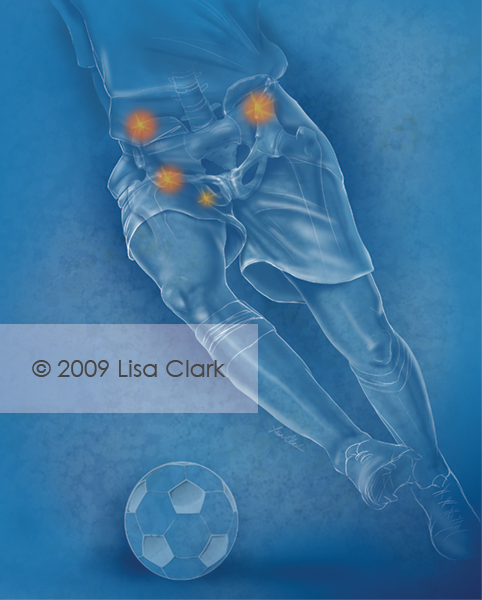
Apophyseal Avulsion Fractures of the Hip and Pelvis

By |April 24th, 2014|Syndicated Content|

Apophyseal avulsion fractures of the hip and pelvis are injuries that usually occur in the adolescent athlete. This illustration was used for a medical journal cover.

The post Apophyseal Avulsion Fractures of the Hip and Pelvis appeared first on Clark Medical Illustration.

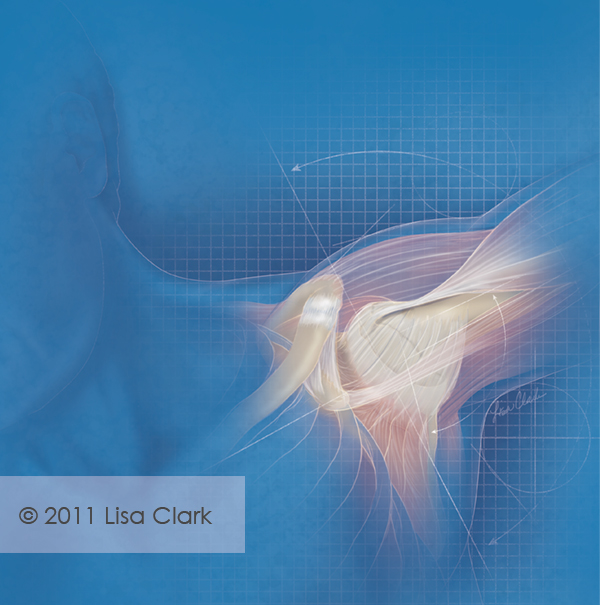
Shoulder Instability in Young Athletes

By |April 22nd, 2014|Syndicated Content|

This illustration was used as the journal cover art for an article on healthy athletes with a history of shoulder instability.

The post Shoulder Instability in Young Athletes appeared first on Clark Medical Illustration.

Femoral Tunnel Drilling for ACL Reconstruction

By |April 22nd, 2014|Syndicated Content|

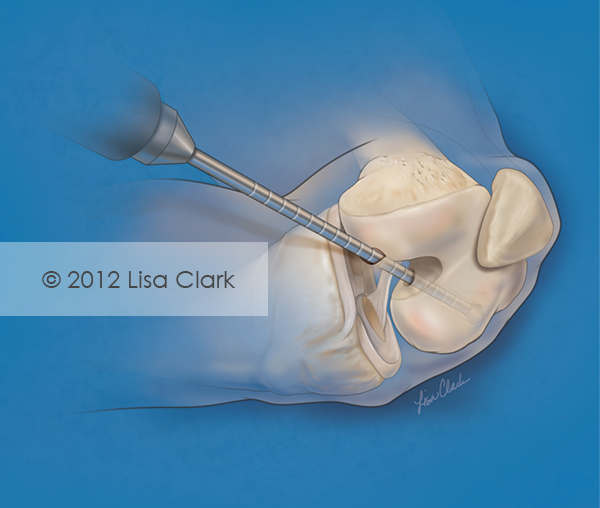
A femoral tunnel was created to aid with anterior cruciate ligament (ACL) reconstruction. This image was created for an orthopedic journal cover. The post Femoral Tunnel Drilling for ACL Reconstruction appeared first on Clark Medical Illustration.

The TMJ eBook is out

By |April 22nd, 2014|Syndicated Content|

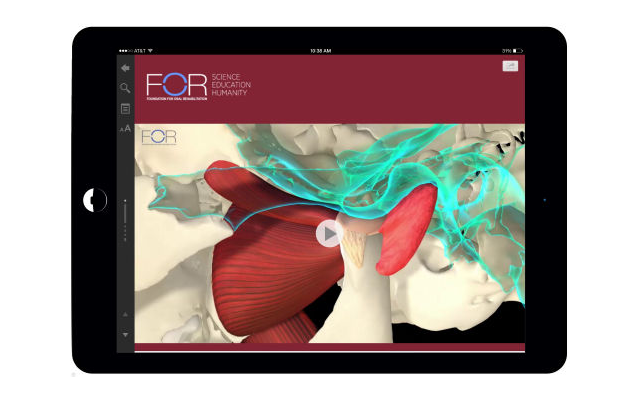
We had the pleasure to work with FOR and bring to life an exceptional resource for those desiring in-depth knowledge of temporomandibular joint anatomy. An incredible collection of images further enhances the experience of understanding the more intricate anatomic characteristics of the TMJ. The Temporomandibular Joint  joins the existing digital textbook Single Implants and Their Restoration.

How medical infographics assist on health explanations

By |April 21st, 2014|Syndicated Content|

Wow can medical infographics help with health explanations? From prehistoric times to the digital age infographics have helped in comprehending various subjects. Medical infographics contribute greatly to today’s medicine and science. The first maps were created thousands of years before writing. Maps have been found drawn on the walls of Turkish city Çatal Hüyük in 6200BC. Christopher Scheiner used graphics to illustrate his astronomy research about the Sun and in 1786 William Playfair published his first book with statistical

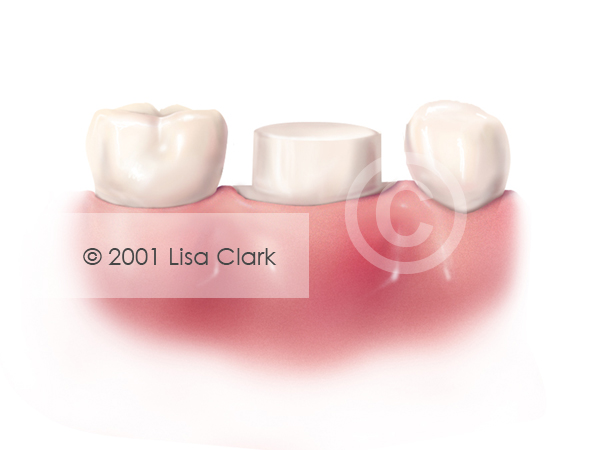
Crown: Tooth Prepared for Crown

By |April 16th, 2014|Syndicated Content|

Crown: Tooth Prepared for Crown The post Crown: Tooth Prepared for Crown appeared first on Clark Medical Illustration.

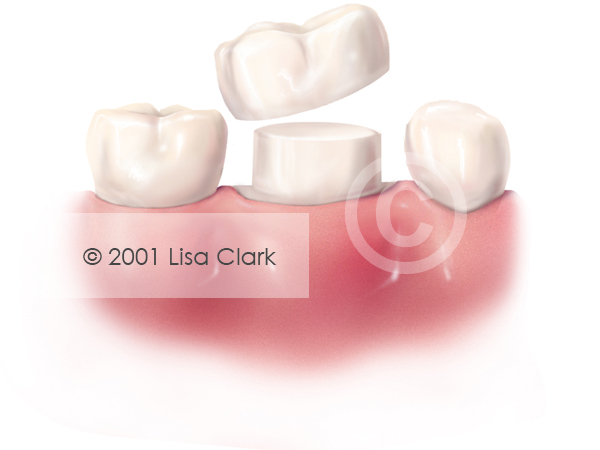
Crown: White Crown Near Final Position

By |April 16th, 2014|Syndicated Content|

Crown: White Crown Near Final Position The post Crown: White Crown Near Final Position appeared first on Clark Medical Illustration.

Crown: White Crown in Final Position

By |April 16th, 2014|Syndicated Content|

Crown: White Crown in Final Position The post Crown: White Crown in Final Position appeared first on Clark Medical Illustration.

Crown: Gold Crown in Final Position

By |April 16th, 2014|Syndicated Content|

Crown: Gold Crown in Final Position The post Crown: Gold Crown in Final Position appeared first on Clark Medical Illustration.

Dentures: Full Dentures in Place

By |April 16th, 2014|Syndicated Content|

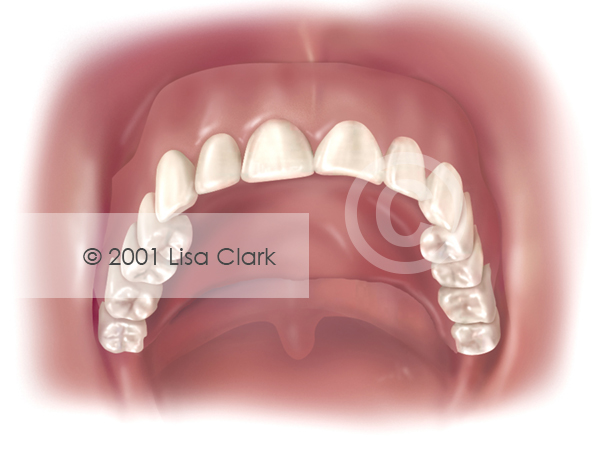
Dentures: Full Dentures in Place The post Dentures: Full Dentures in Place appeared first on Clark Medical Illustration.

Dentures: Missing Teeth

By |April 16th, 2014|Syndicated Content|

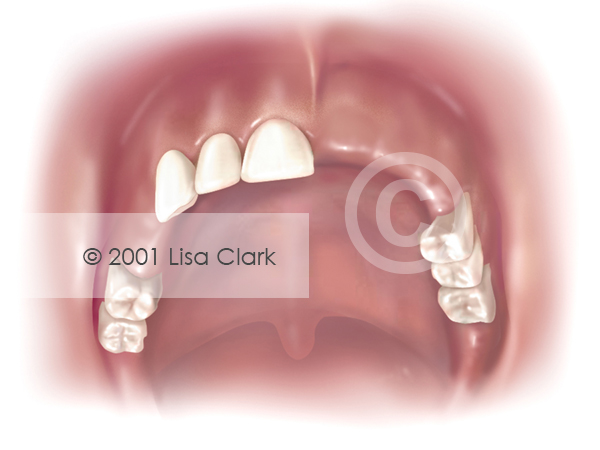
Dentures: Missing Teeth The post Dentures: Missing Teeth appeared first on Clark Medical Illustration.

Dentures: Partial Dentures

By |April 16th, 2014|Syndicated Content|

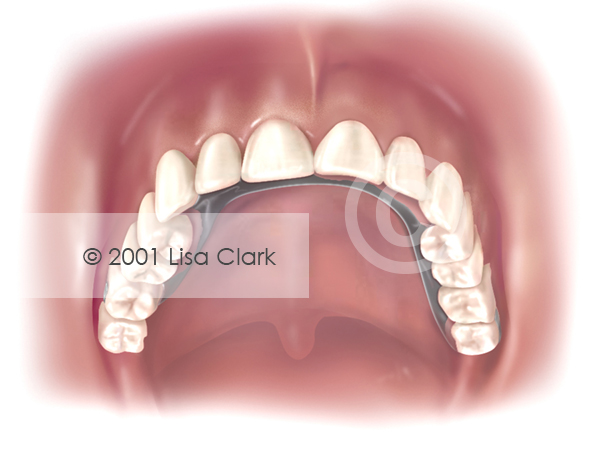
Dentures: Partial Dentures The post Dentures: Partial Dentures appeared first on Clark Medical Illustration.

Drifting

By |April 16th, 2014|Syndicated Content|

Teeth on either side of missing tooth have drifted toward the space, lower tooth has drifted upward into space. The post Drifting appeared first on Clark Medical Illustration.

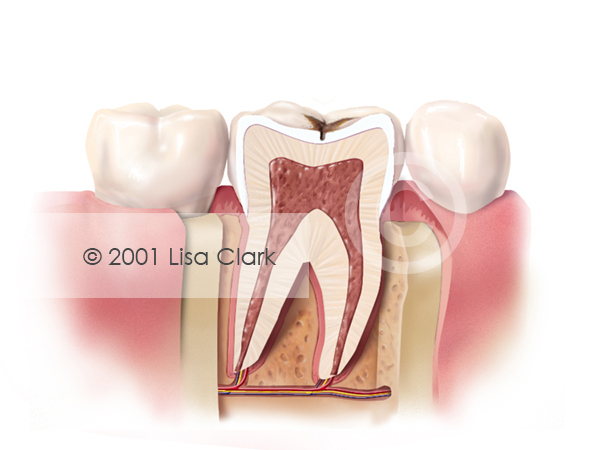
Dental Fillings 1: Progressive Tooth Decay

By |April 16th, 2014|Syndicated Content|

Progressive tooth decay. The post Dental Fillings 1: Progressive Tooth Decay appeared first on Clark Medical Illustration.

Dental Fillings 1: Tooth Prepared for Filling

By |April 16th, 2014|Syndicated Content|

Tooth prepared for filling. The post Dental Fillings 1: Tooth Prepared for Filling appeared first on Clark Medical Illustration.

Dental Fillings 2: Tooth Filled with Silver Filling Material

By |April 16th, 2014|Syndicated Content|

Dental Fillings 2: Tooth Filled with Silver Filling Material The post Dental Fillings 2: Tooth Filled with Silver Filling Material appeared first on Clark Medical Illustration.

Dental Home Care: Holding Floss

By |April 16th, 2014|Syndicated Content|

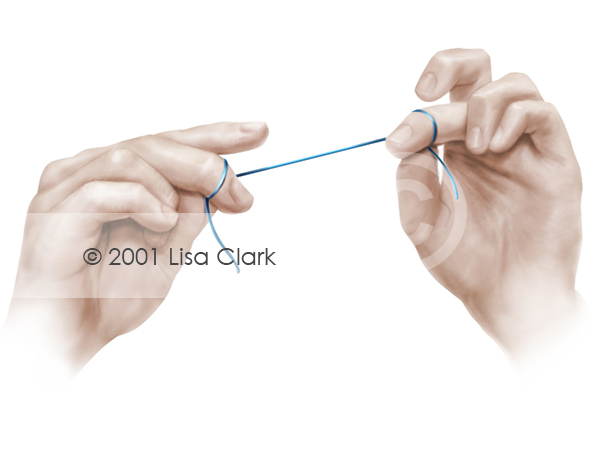
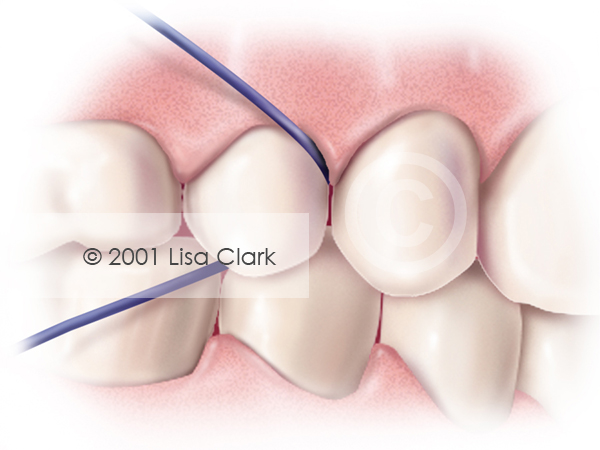
Dental Home Care: Holding Floss The post Dental Home Care: Holding Floss appeared first on Clark Medical Illustration.

Dental Home Care: Floss Properly Placed Between Teeth

By |April 16th, 2014|Syndicated Content|

Dental Home Care: Floss Properly Placed Between Teeth The post Dental Home Care: Floss Properly Placed Between Teeth appeared first on Clark Medical Illustration.

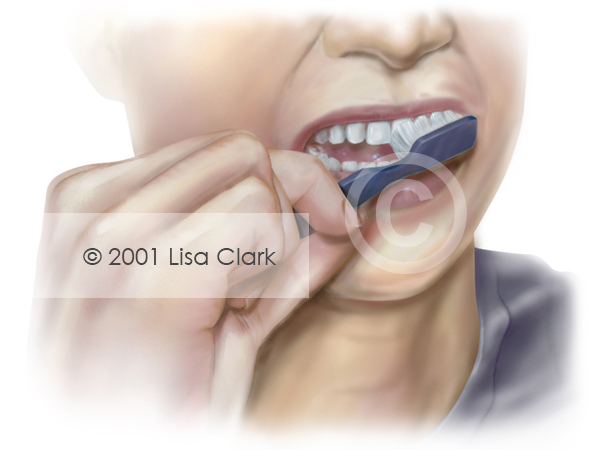
Dental Home Care: Proper Brush Placement

By |April 16th, 2014|Syndicated Content|

Dental Home Care: Proper Brush Placement The post Dental Home Care: Proper Brush Placement appeared first on Clark Medical Illustration.

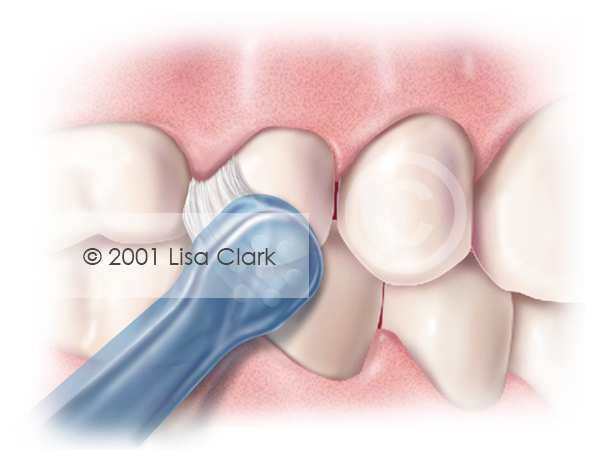
Dental Home Care: End Tuft Brush Properly Placed Next to Teeth

By |April 16th, 2014|Syndicated Content|

Dental Home Care: End Tuft Brush Properly Placed Next to Teeth The post Dental Home Care: End Tuft Brush Properly Placed Next to Teeth appeared first on Clark Medical Illustration.

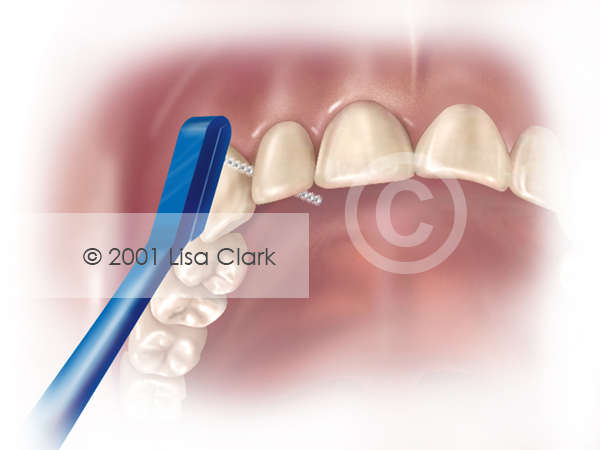
Dental Home Care: Proxi-brush Properly Placed Between Teeth

By |April 16th, 2014|Syndicated Content|

Dental Home Care: Proxi-brush Properly Placed Between Teeth The post Dental Home Care: Proxi-brush Properly Placed Between Teeth appeared first on Clark Medical Illustration.

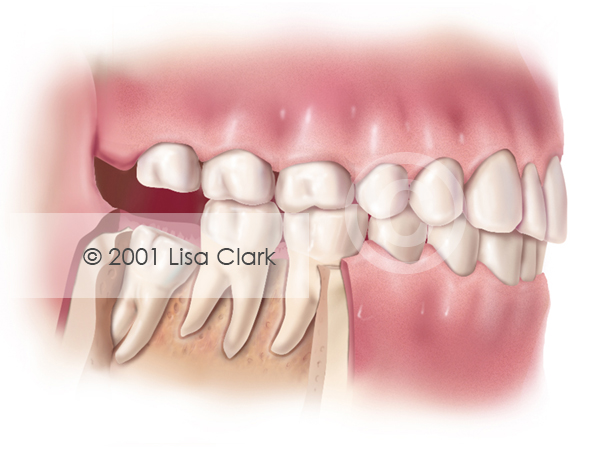
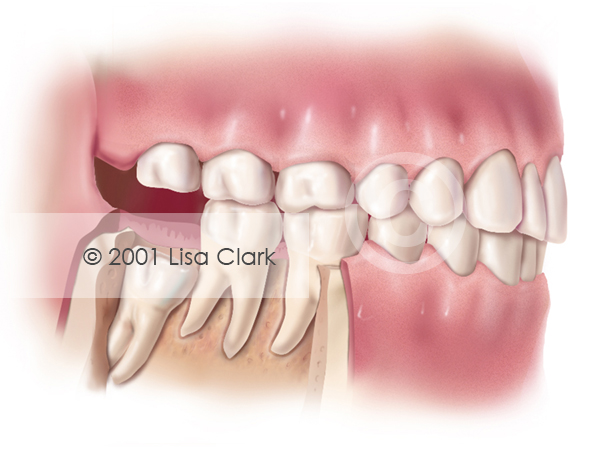
Impacted Wisdom Tooth: Soft Tissue Impacted

By |April 16th, 2014|Syndicated Content|

Impacted Wisdom Tooth: Soft Tissue Impacted The post Impacted Wisdom Tooth: Soft Tissue Impacted appeared first on Clark Medical Illustration.

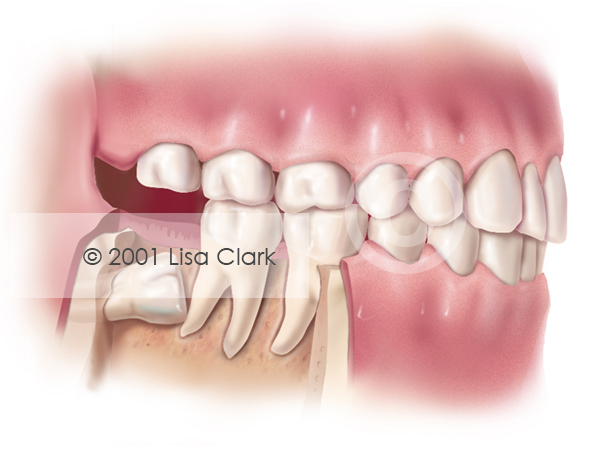
Impacted Wisdom Tooth: “Partial Bony” Impacted

By |April 16th, 2014|Syndicated Content|

Impacted Wisdom Tooth: “Partial Bony” Impacted

The post Impacted Wisdom Tooth: “Partial Bony” Impacted appeared first on Clark Medical Illustration.

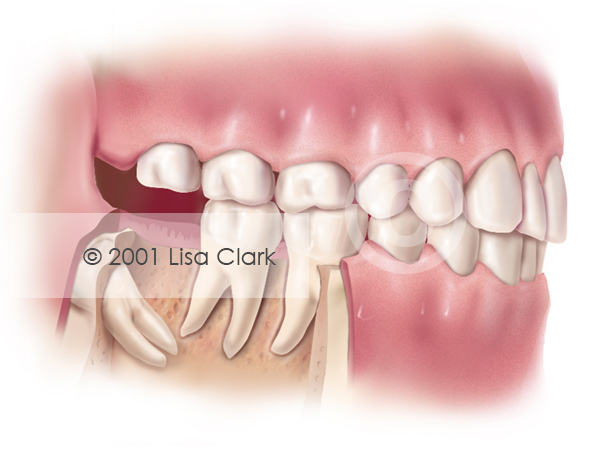
Impacted Wisdom Tooth “Full Bony” or “Horizontally” Impacted

By |April 16th, 2014|Syndicated Content|

Impacted Wisdom Tooth “Full Bony” or “Horizontally” Impacted

The post Impacted Wisdom Tooth “Full Bony” or “Horizontally” Impacted appeared first on Clark Medical Illustration.

Impacted Wisdom Tooth: “Distally” Impacted

By |April 16th, 2014|Syndicated Content|

Impacted Wisdom Tooth: “Distally” Impacted

The post Impacted Wisdom Tooth: “Distally” Impacted appeared first on Clark Medical Illustration.

Gastroenterology Illustrations

By |April 16th, 2014|Featured Work, Original Content|

Absorb and metabolize these fantastic gastroenterology illustrations from the best medical artists in [...]

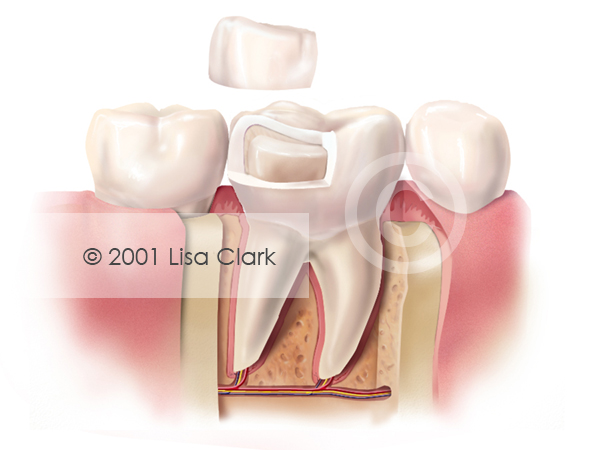
Dental Inlay: Tooth prepared for Inlay

By |April 14th, 2014|Syndicated Content|

Dental Inlay: Tooth prepared for Inlay The post Dental Inlay: Tooth prepared for Inlay appeared first on Clark Medical Illustration.

Dental Inlay: Inlay Near Final Position

By |April 14th, 2014|Syndicated Content|

Dental Inlay: Inlay Near Final Position The post Dental Inlay: Inlay Near Final Position appeared first on Clark Medical Illustration.

Dental Inlay: Inlay in Final Position

By |April 14th, 2014|Syndicated Content|

Dental Inlay: Inlay in Final Position The post Dental Inlay: Inlay in Final Position appeared first on Clark Medical Illustration.

Dental Onlay: Onlay in Final Position

By |April 14th, 2014|Syndicated Content|

Dental Onlay: Onlay in Final Position The post Dental Onlay: Onlay in Final Position appeared first on Clark Medical Illustration.

Dental Onlay: Onlay Near Final Position

By |April 14th, 2014|Syndicated Content|

Dental Onlay: Onlay Near Final Position The post Dental Onlay: Onlay Near Final Position appeared first on Clark Medical Illustration.

Dental Onlay: Tooth Prepared for Onlay

By |April 14th, 2014|Syndicated Content|

Dental Onlay: Tooth Prepared for Onlay The post Dental Onlay: Tooth Prepared for Onlay appeared first on Clark Medical Illustration.

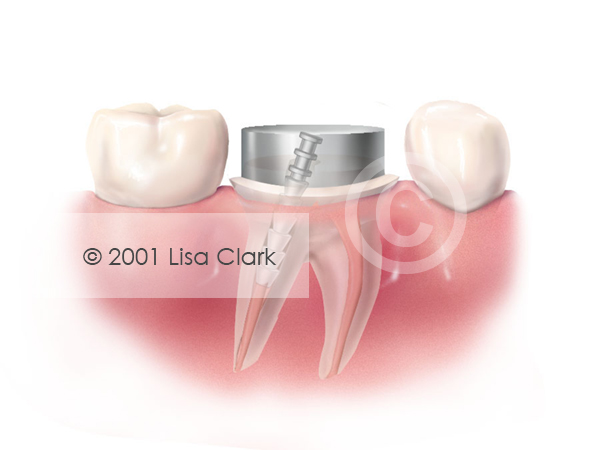
Dental Post 1: Build Up Material in Place

By |April 14th, 2014|Syndicated Content|

Dental Post 1:  Build Up Material in Place

The post Dental Post 1: Build Up Material in Place appeared first on Clark Medical Illustration.

Dental Post 1: Prefabricated Post in Place

By |April 14th, 2014|Syndicated Content|

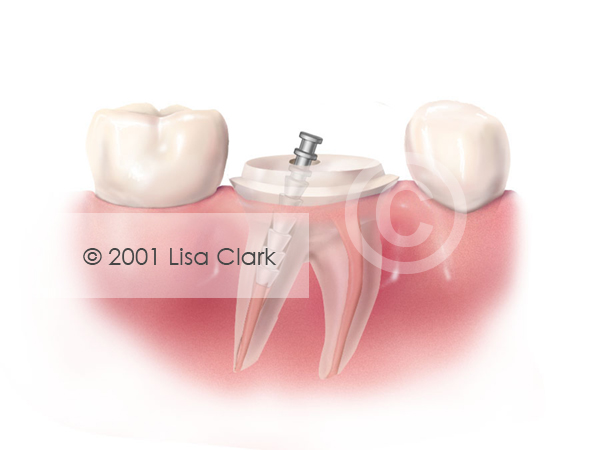
Dental Post 1:  Prefabricated Post in Place

The post Dental Post 1: Prefabricated Post in Place appeared first on Clark Medical Illustration.

Dental Post 1: Damaged Tooth

By |April 14th, 2014|Syndicated Content|

Dental Post 1: Damaged Tooth The post Dental Post 1: Damaged Tooth appeared first on Clark Medical Illustration.

Dental Retention Pin

By |April 14th, 2014|Syndicated Content|

Dental Retention Pin The post Dental Retention Pin appeared first on Clark Medical Illustration.

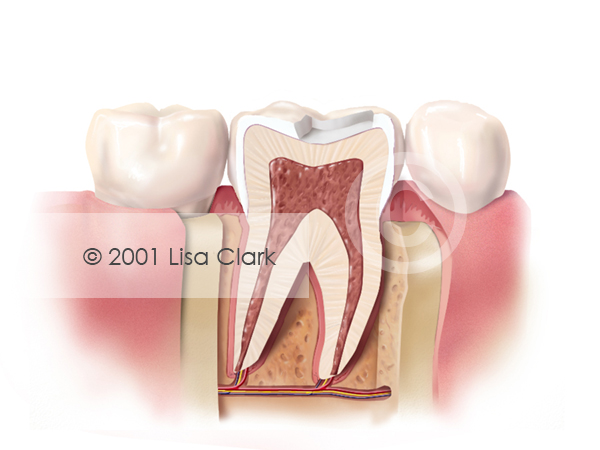
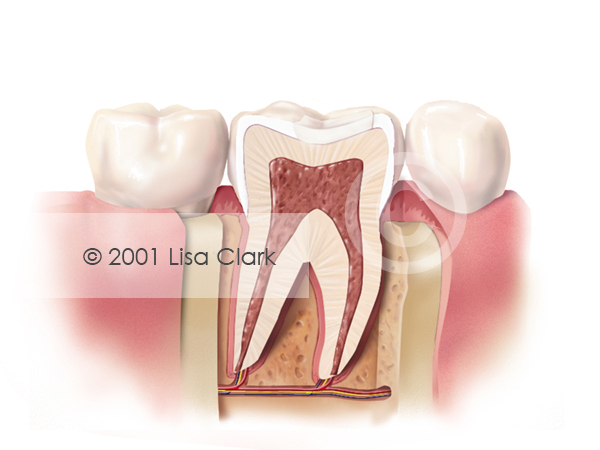
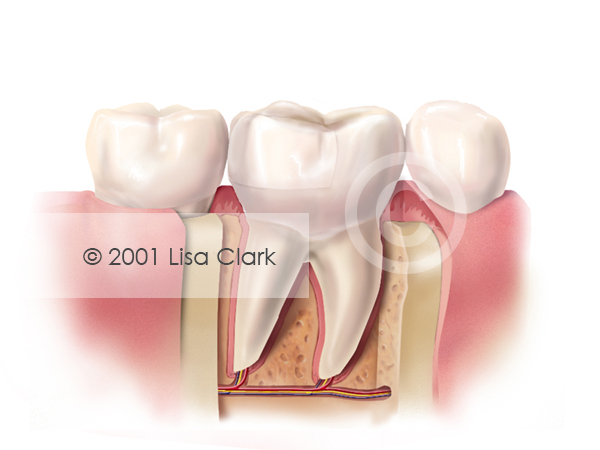
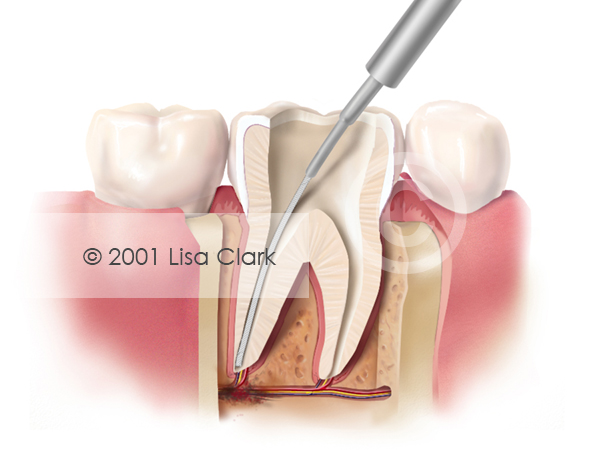
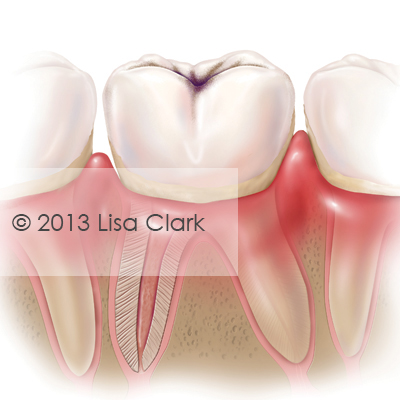
Root Canal: Tooth Requiring Root Canal

By |April 12th, 2014|Syndicated Content|

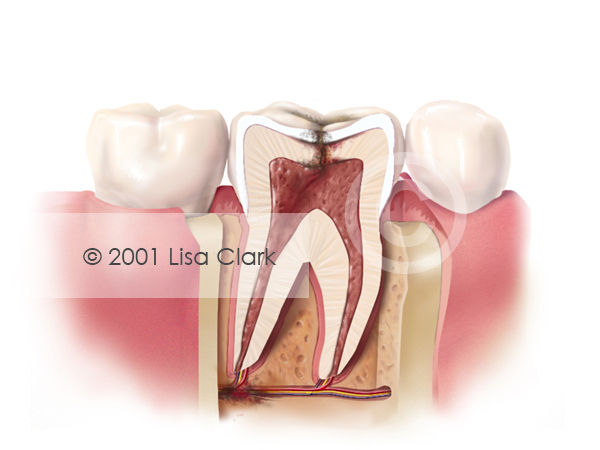
Root Canal: Tooth Requiring Root Canal The post Root Canal: Tooth Requiring Root Canal appeared first on Clark Medical Illustration.

Root Canal: Cross Section of Tooth Requiring Root Canal

By |April 12th, 2014|Syndicated Content|

Root Canal: Enamel and Dentin Removed The post Root Canal: Cross Section of Tooth Requiring Root Canal appeared first on Clark Medical Illustration.

Root Canal: Pulp Removed

By |April 12th, 2014|Syndicated Content|

Root Canal: Pulp Removed The post Root Canal: Pulp Removed appeared first on Clark Medical Illustration.

Root Canal: Canals Filled

By |April 12th, 2014|Syndicated Content|

Root Canal: Canals Filled The post Root Canal: Canals Filled appeared first on Clark Medical Illustration.

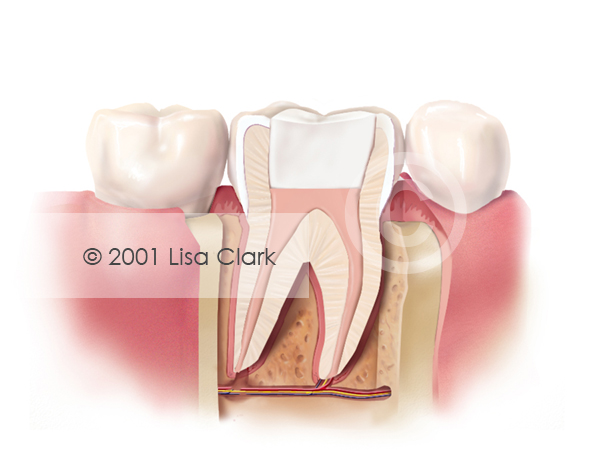
Root Canal: Final Filling (White Material)

By |April 12th, 2014|Syndicated Content|

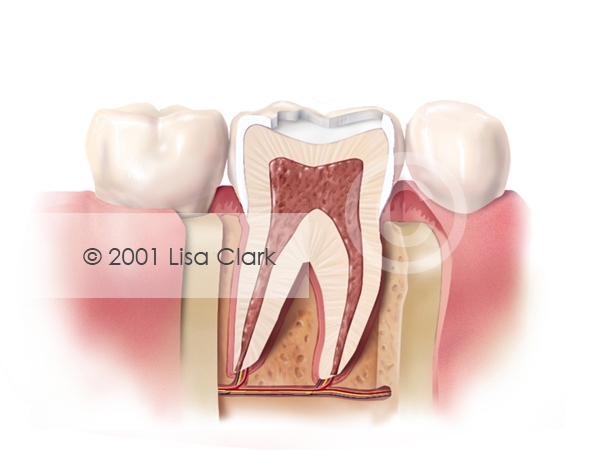
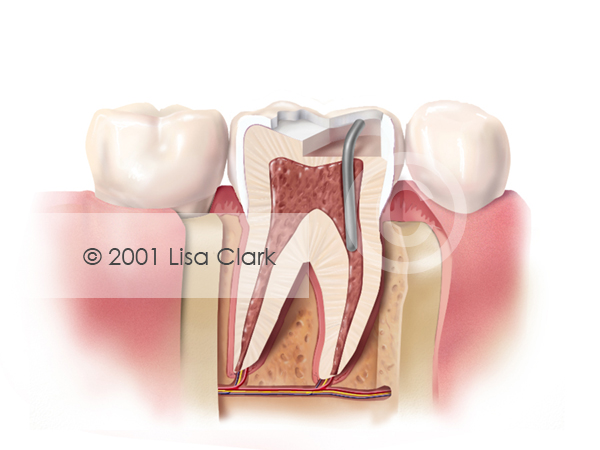
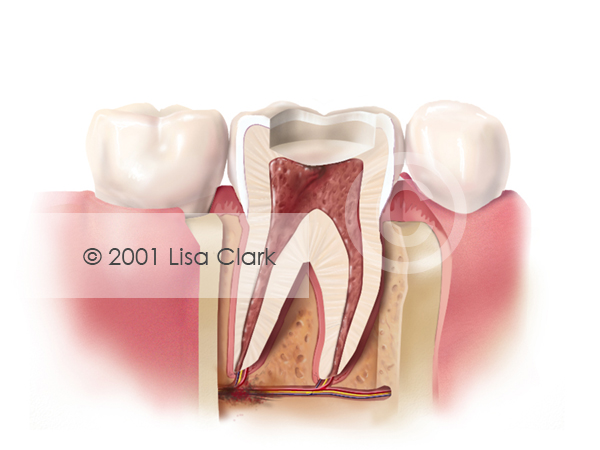
Root Canal: Final Filling (White Material) The post Root Canal: Final Filling (White Material) appeared first on Clark Medical Illustration.

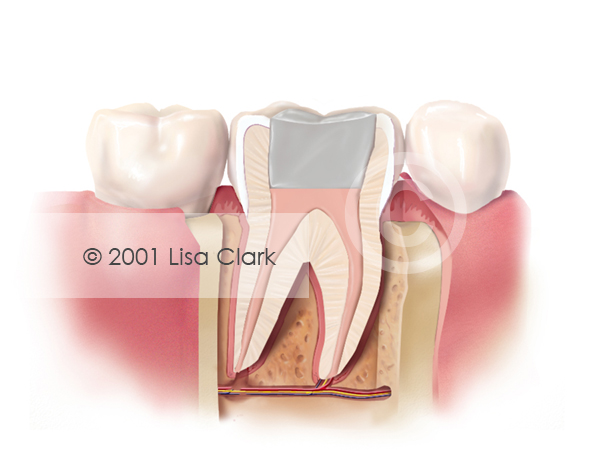
Root Canal: Final Filling (Silver Material)

By |April 12th, 2014|Syndicated Content|

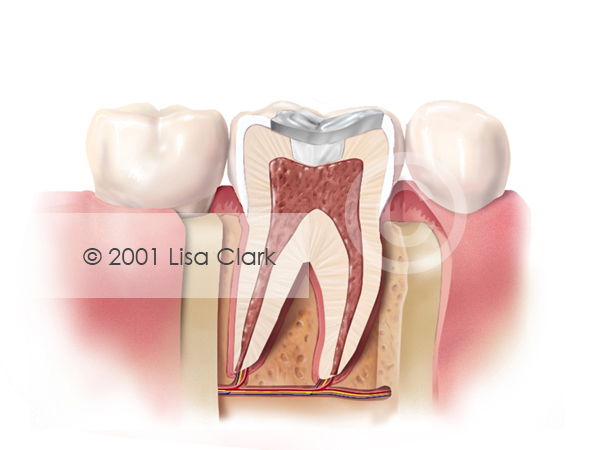
Root Canal: Final Filling (Silver Material) The post Root Canal: Final Filling (Silver Material) appeared first on Clark Medical Illustration.

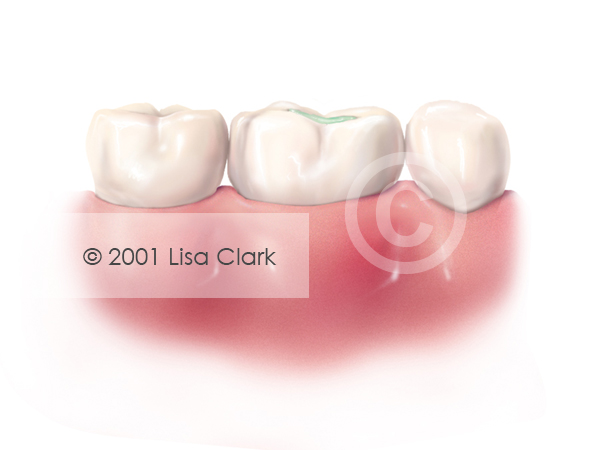
Sealants: Finished Procedure

By |April 12th, 2014|Syndicated Content|

Sealants: Finished Procedure The post Sealants: Finished Procedure appeared first on Clark Medical Illustration.

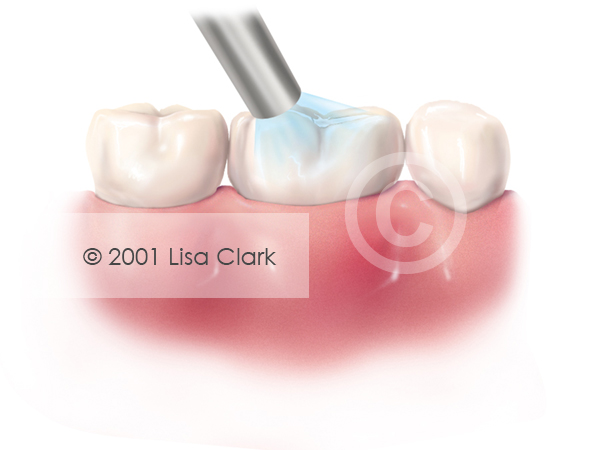
Sealants: Sealant Material Cured by Light

By |April 12th, 2014|Syndicated Content|

Sealants: Sealant Material Cured by Light The post Sealants: Sealant Material Cured by Light appeared first on Clark Medical Illustration.

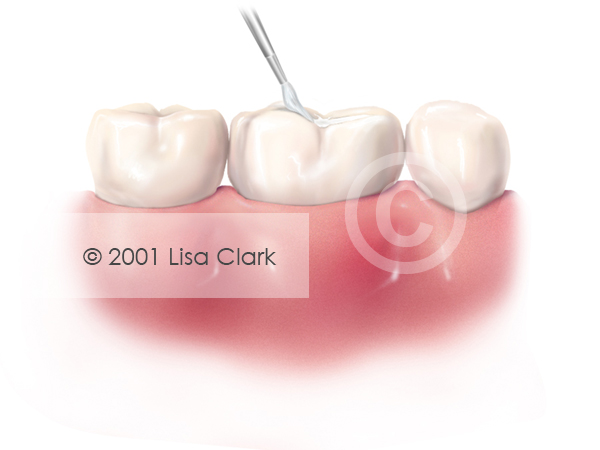
Sealants: Sealant Material Applied to Grooves

By |April 12th, 2014|Syndicated Content|

Sealants: Sealant Material Applied to Grooves The post Sealants: Sealant Material Applied to Grooves appeared first on Clark Medical Illustration.

Sealants: Etchant Applied

By |April 12th, 2014|Syndicated Content|

Sealants: Etchant Applied The post Sealants: Etchant Applied appeared first on Clark Medical Illustration.

TMJ Dysfunction: Normal Temporamandibular Joint

By |April 12th, 2014|Syndicated Content|

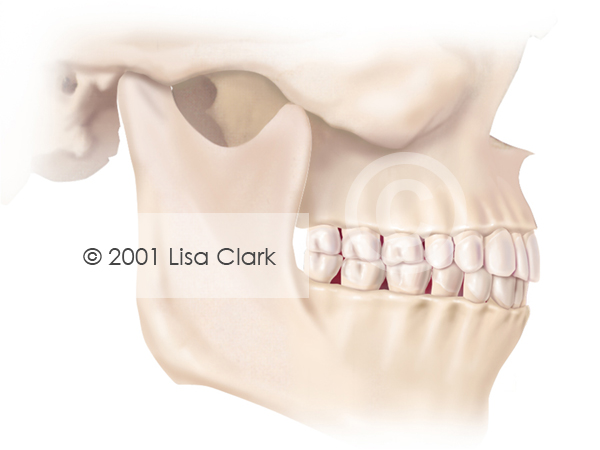
TMJ Dysfunction: Normal Temporamandibular Joint The post TMJ Dysfunction: Normal Temporamandibular Joint appeared first on Clark Medical Illustration.

Amniotic Membrane Perforator

By |April 11th, 2014|Syndicated Content|

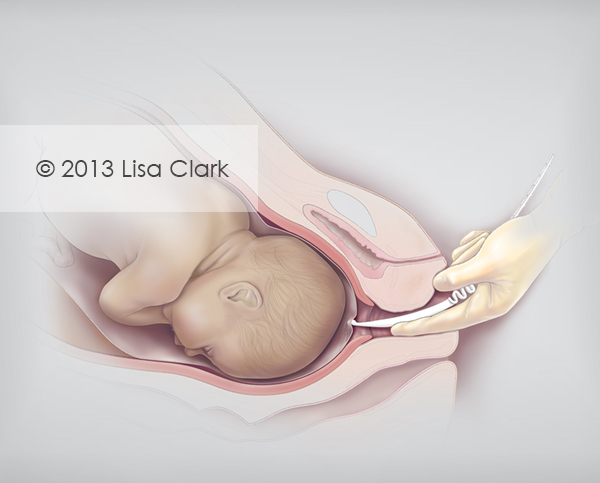
Amnion perforators are used to puncture the amniotic sac (amniotomy) during labor. This illustration was used for a medical device manufacturer’s marketing materials.

The post Amniotic Membrane Perforator appeared first on Clark Medical Illustration.

Rotator Cuff Tear

By |April 11th, 2014|Syndicated Content|

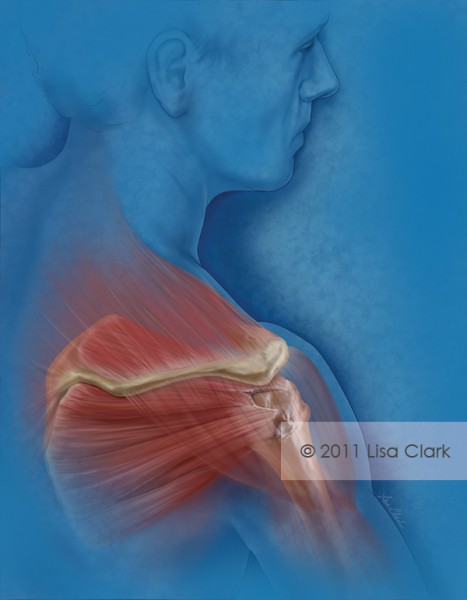
A rotator cuff tear is a tear in one of the tendons of the four rotator cuff muscles in the shoulder. This illustration was used as a journal cover illustration demonstrating the repair of a u-shaped rotator cuff tear. The post Rotator Cuff Tear appea...

Sacral Nerve Plexus

By |April 11th, 2014|Syndicated Content|

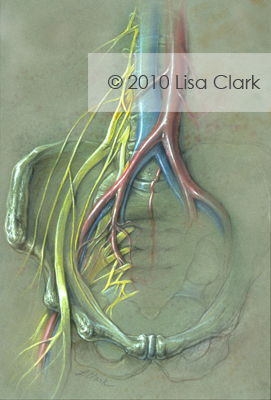
Illustration of lumbo-sacral nerve plexus, pelvis, iliac arteries, femoral arteries and lumbar spine. The post Sacral Nerve Plexus appeared first on Clark Medical Illustration.

Teeth Whitening Strips

By |April 9th, 2014|Syndicated Content|

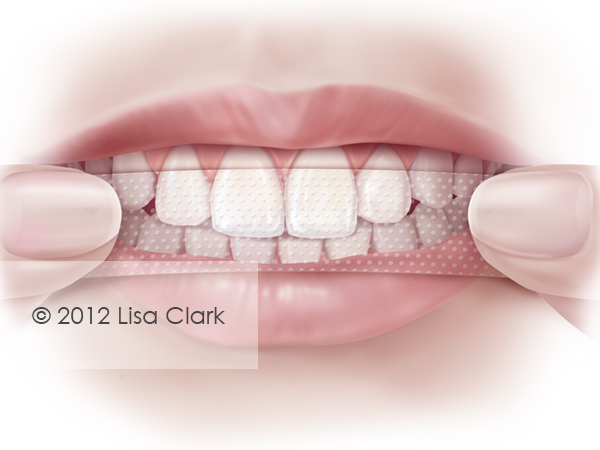
Teeth whitening strips are a popular home remedy for fixing stained or discolored teeth. This image was created as a marketing piece for a dental product manufacturer.

The post Teeth Whitening Strips appeared first on Clark Medical Illustration.

Dental Caries (Cavities)

By |April 8th, 2014|Syndicated Content|

Buccal (frontal) view of molar with dental decay. The post Dental Caries (Cavities) appeared first on Clark Medical Illustration.

Percutaneous Coronary Intervention

By |April 5th, 2014|Syndicated Content|

Percutaneous coronary intervention (PCI) for chronic total occlusions. The post Percutaneous Coronary Intervention appeared first on Clark Medical Illustration.

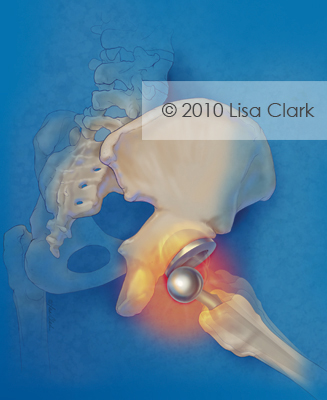
Hip Replacement Failure

By |April 4th, 2014|Syndicated Content|

Dislocation is an uncommon, but potential complication to hip replacement surgery. This illustration demonstrates the failure of a metal on metal hip implant. The post Hip Replacement Failure appeared first on Clark Medical Illustration.

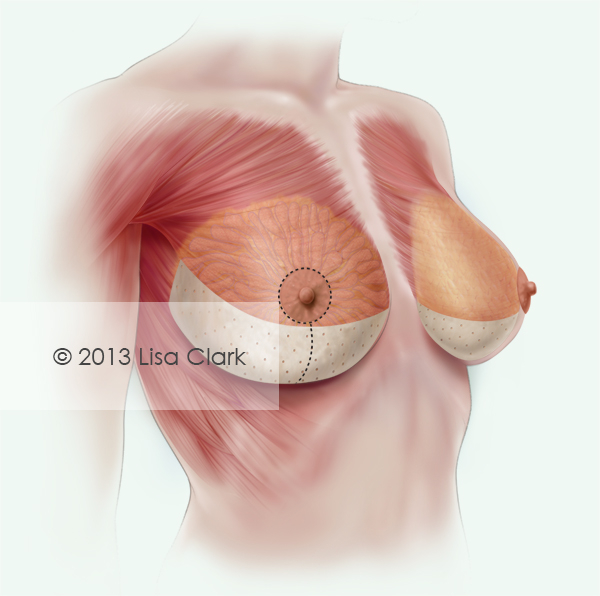
Mastopexy with Biological Graft

By |April 4th, 2014|Syndicated Content|

This image was used to demonstrate the placement of a new biological graft used in comprehensive breast reconstruction and revision procedures, including mastopexy or “breast lift”.

The post Mastopexy with Biological Graft appeared first on Clark Medical Illustration.

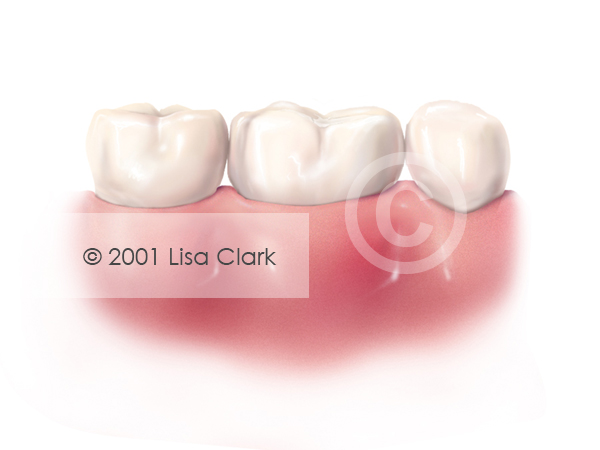
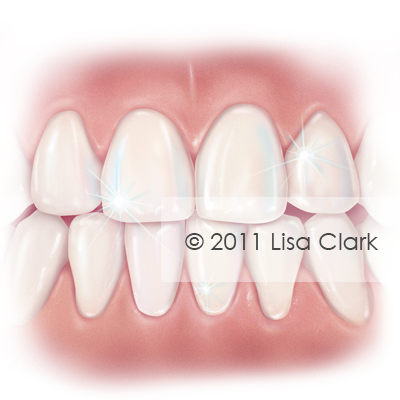
Healthy Teeth

By |April 4th, 2014|Syndicated Content|

Frontal view of health adult teeth and gums. The post Healthy Teeth appeared first on Clark Medical Illustration.

Necrotizing Fasciitis

By |April 2nd, 2014|Syndicated Content|

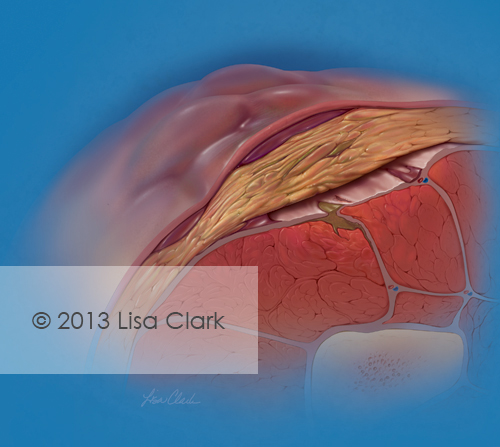
Necrotizing fasciitis (NF), commonly known as flesh-eating disease or Flesh-eating bacteria syndrome, is a rare infection of the deeper layers of skin and subcutaneous tissues, easily spreading across the fascial plane within the subcutaneous tissue.

The post Necrotizing Fasciitis appeared first on Clark Medical Illustration.

Superficial Femoral Artery Disease

By |April 2nd, 2014|Syndicated Content|

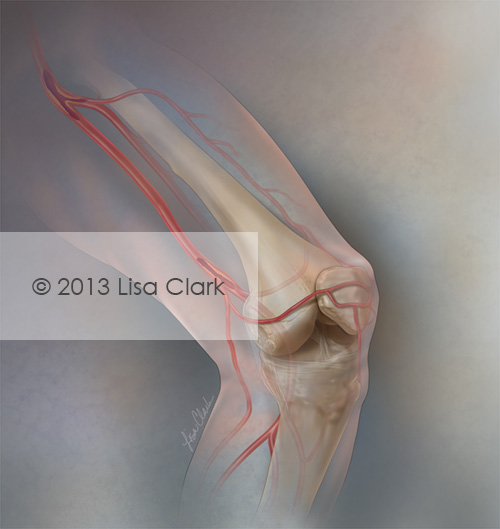
Journal cover illustration about the difficulties and options for the treatment of superficial femoral artery disease (SFA).   The post Superficial Femoral Artery Disease appeared first on Clark Medical Illustration.

Esophageal Stricture

By |April 2nd, 2014|Syndicated Content|

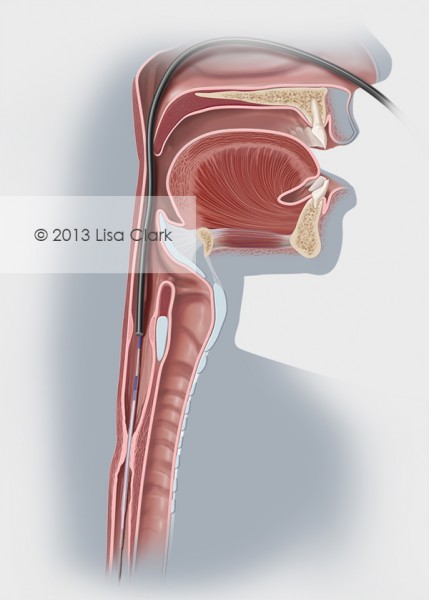
Esophageal stricture is a narrowing of the esophagus that causes swallowing difficulties. This image was used for medical device marketing materials.

The post Esophageal Stricture appeared first on Clark Medical Illustration.

Long Bone Anatomy

By |April 2nd, 2014|Syndicated Content|

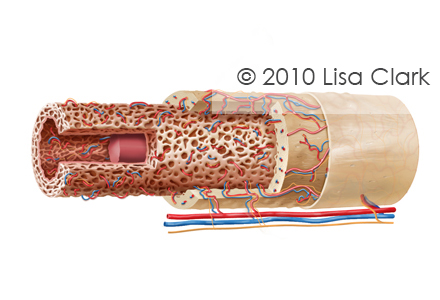
Long bone anatomy consists of a layer of connective tissue called the periosteum. The outer shell of the long bone is compact bone with a deeper layer of cancellous bone (spongy bone) which contains red bone marrow. The interior part of the long bone is the medullary cavity with the […]

The post Long Bone Anatomy appeared first on Clark Medical Illustration.

Weight Loss in the Elderly

By |March 31st, 2014|Syndicated Content|

This editorial illustration was created for a May 2014 cover of American Family Physician. The image summarizes Unintentional Weight Loss in Elderly. Elderly patients with unintentional weight loss are at higher risk for infection, depression and death. The leading causes of involuntary weight loss are depression (especially in residents of long-term care facilities), cancer (lung […]

Dysmenorrhea

By |March 31st, 2014|Syndicated Content|

Diagnosis and Initial Management of Dysmenorrhea AMIMI S. OSAYANDE, MD, and SUARNA MEHULIC, MD, University of Texas Southwestern Medical Center, Dallas, Texas Am Fam Physician. 2014 Mar 1;89(5):341-346. Dysmenorrhea is one of the most common causes of pelvic pain. It negatively affects patients’ quality of life and sometimes results in activity restriction. A history and physical examination, including […]

Cloud publishing: the new editorial publishing model and its practicality

By |March 12th, 2014|Syndicated Content|

Learn more about the new model in Cloud publishing, its practicality and editorial usage in medicine. Cloud publishing allows for faster information anywhere and on any device and is quickly becoming popular also for the medical and scientific publishing industry. A cloud publishing environment allows for remote access to programs, files and services on the internet, and it is possible to access these on any device with internet access. Google Docs is an excellent example

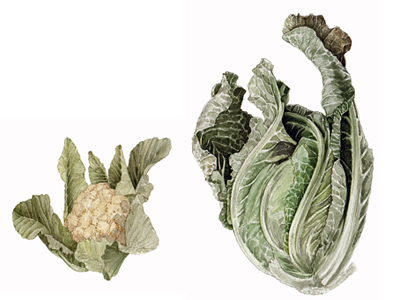
Culinary Botanical Illustrations

By |March 10th, 2014|Featured Work|

Fruits and vegetables with a little wine, conceptualized by the Medical Illustration Sourcebook [...]

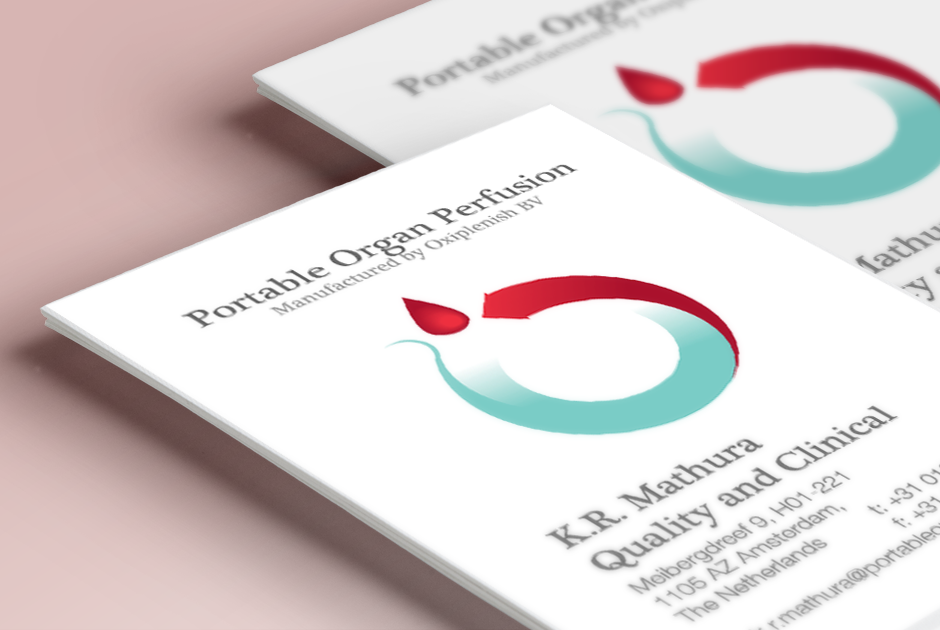
Medical device branding

By |March 5th, 2014|Syndicated Content|

Portable Organ Perfusion is a startup company innovating with a truly disposable portable organ perfusion system. We offered all support needed to build up the visual identity from scratch. The branding of the startup needed to be taken care thoroughly. So we set up appointments to understand the client’s needs and made up a strategy. We rolled into the team’s daily schedule to make it happen, time was not on the team’s side. Startups are constantly busy planning the latest

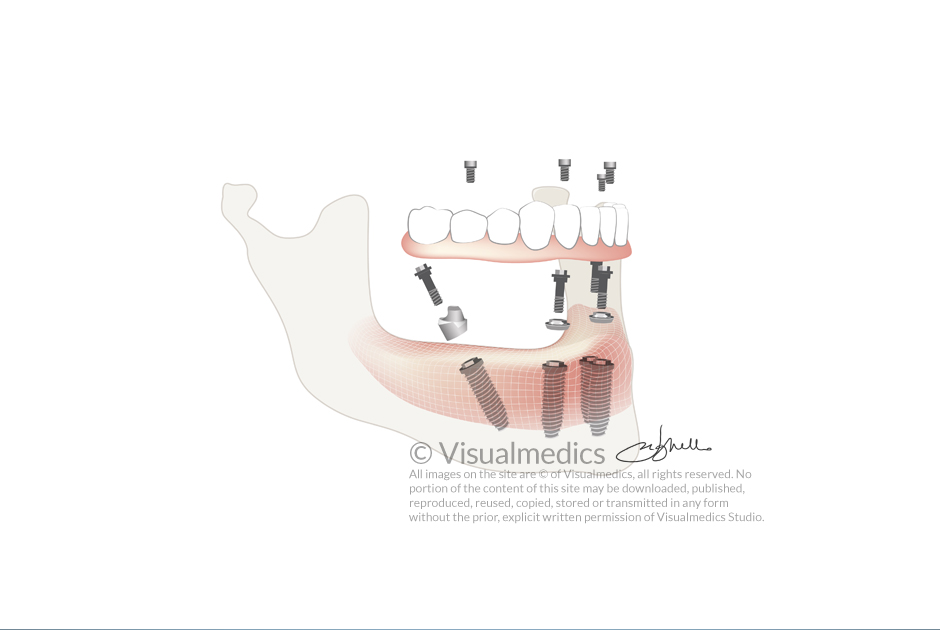
Odontologic illustration

By |February 28th, 2014|Syndicated Content|

We recently concurred to start a exciting project. The Client looked for an illustration agency able to commit with sharp deadlines and listen to multiple associates feedbacks. We created the right recipe for a branded medical dental illustration collection supporting their content. The client is creating an online global reference portal illustrating procedures, making material available to professionals worldwide. The dental illustrations developed should aid the understanding of articles by providing a visual educational reference to the techniques used. We pitched with

Allergies in Full Bloom

By |February 27th, 2014|Featured Work|

The welcome return of spring also means the inevitable return of allergies. Pollen, [...]

Specialty Search: Zoology

By |February 24th, 2014|Featured Work|

Even though we're named the Medical Illustration Sourcebook, there are several more types [...]

Spotlight: Nicolle Rager Fuller

By |February 14th, 2014|Featured Work|

Explore the work of Nicolle Rager Fuller at medillsb.com! Renown for her natural [...]

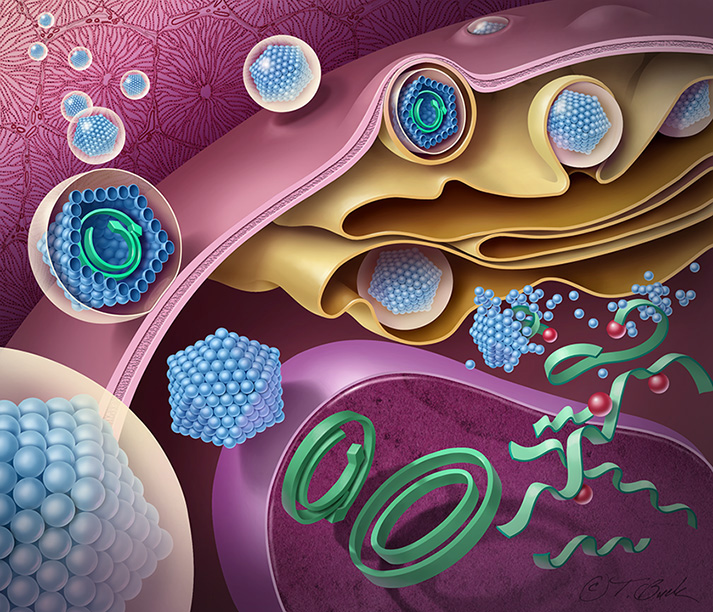
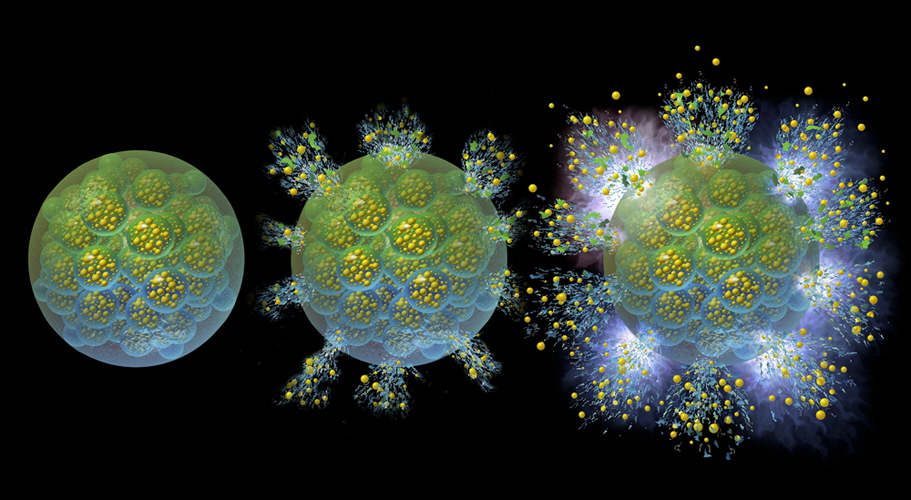
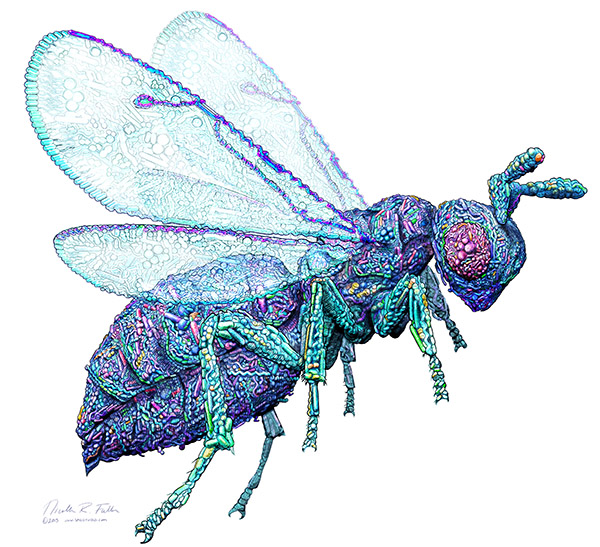
Wasp Microbial Landscape – Art Process

By |February 9th, 2014|Syndicated Content|

Our bodies are made up of the trillions of cells encoded by our unique DNA–right? Current research is diving into another rabbit hole, with suggestions that the microbes that coexist with us are just as much US, as our ‘own’ … Continue reading

The Dying Gaul from the Capitoline Museum, Rome

By |January 29th, 2014|Syndicated Content|


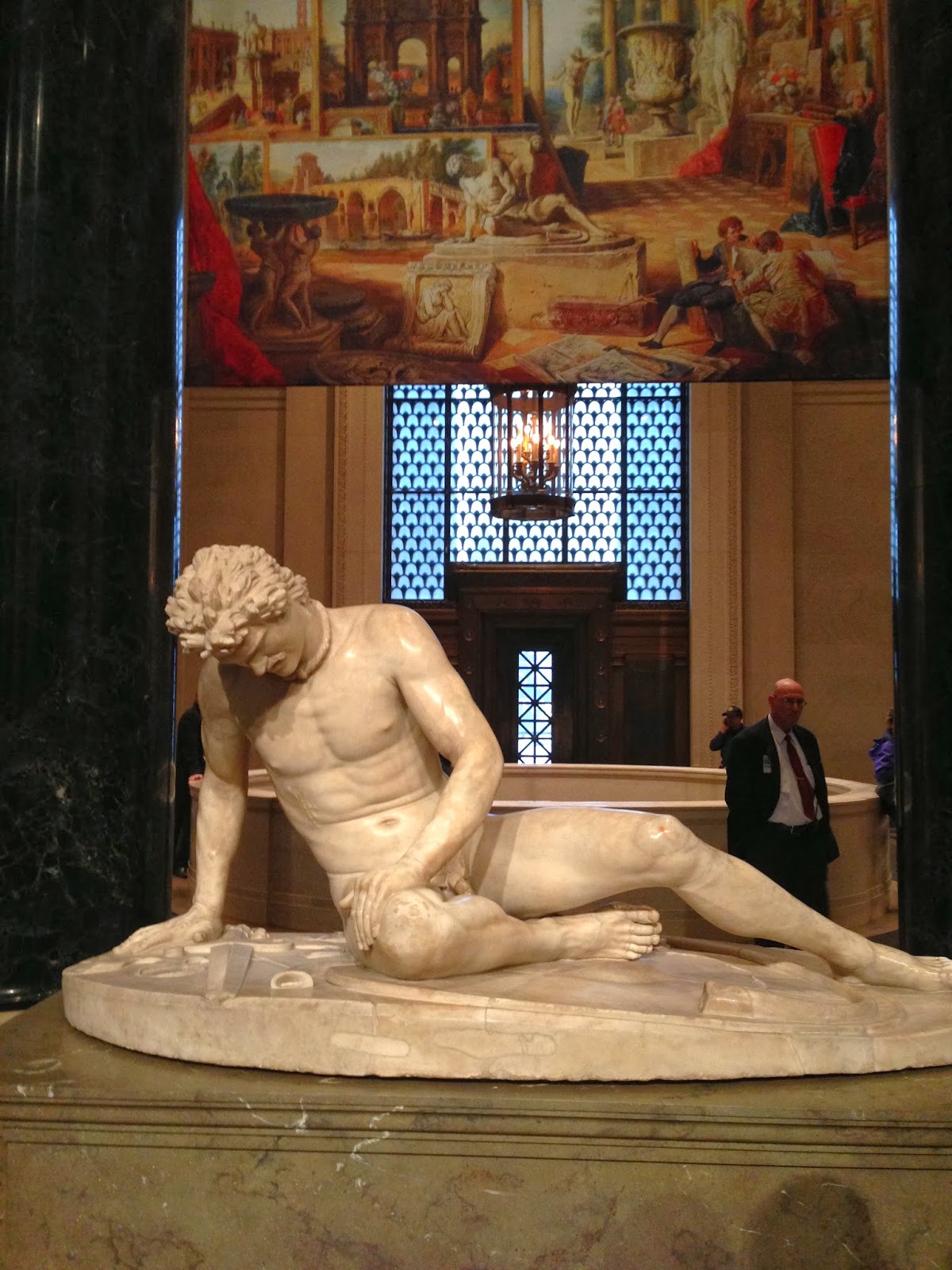
In celebration of 2013, the Year of Italian Culture, the National Gallery of Art was lent the masterpiece The Dying Gaul.  On loan from the Capitoline Museum in Rome this magnificent sculpture was at the National Gallery of Art until January 26. 2014.  I had the opportunity to see this masterpiece of pathos and beauty.

The Dying Gaul from the Capitoline Museum, Rome
      The Dying Gaul, marble sculpture at the National Gallery of Art, Washington, DC.

The Dying Gaul, a marble sculpture created in the first or second century AD, features a soldier dying from a fatal knife wound. The Dying Gaul is a Roman copy of a Hellenisticbronze.  The marble was discovered during an excavation of the Villa Ludovisi gardens in 1621-1623.  When first found it was described as a dying gladiator, but in the 18thcentury scholars found that it was probably a Gallic warrior due to the knotted hair and torque around his neck. According to this quote from the historian Polybius in the second century BC:


“. they fought wearing nothing but their weapons…Very terrifying too were the appearance and gestures of the naked warriors…all in the prime of life and finely built men.”


The fame of The Dying Gaul spread as it was copied and reproduced as etchings and bronzes, commemorated in a poem by Lord Bryon and celebrated by painters from Velasquez to David who incorporated the famous pose into their work.


The Dying Gaul from the Capitoline Museum, Rome
                      Jacques-Louis David, Male Nude Study, 1780, oil on canvas.

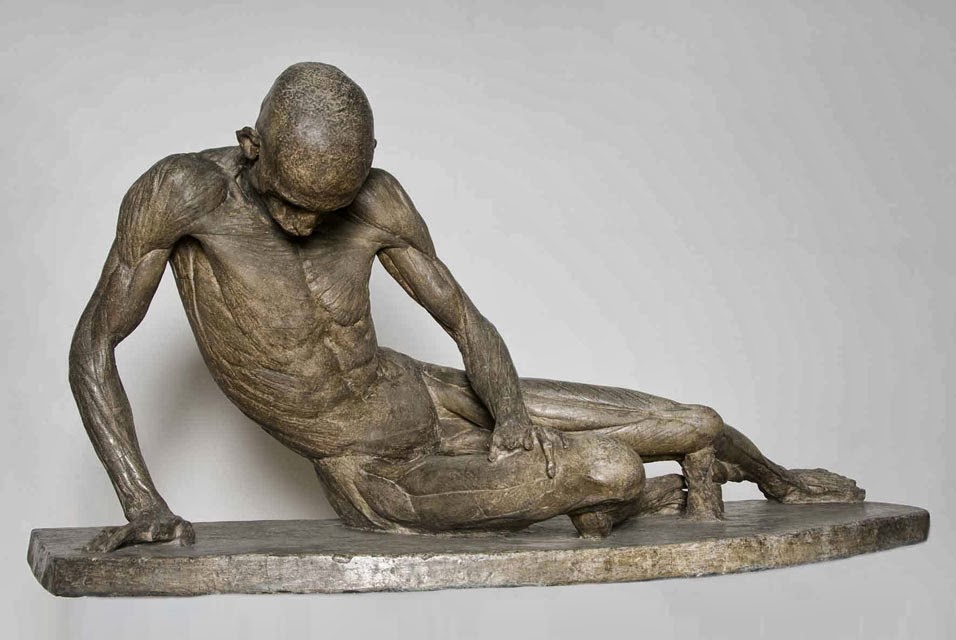
In 1775 The Dying Gaulwas further immortalize by sculptor Agastino Carlini and anatomist John Hunter.  They posed the flayed corpse of an executed smuggler into the famous pose and cast it in plaster for the students to draw.  The piece known as “Smugglerius” in on view today in Royal Academy of Arts in London.


The Dying Gaul from the Capitoline Museum, Rome
William Pink after Agastino Carlini, Smugglerius, 1834 (original cast 1775), plaster.

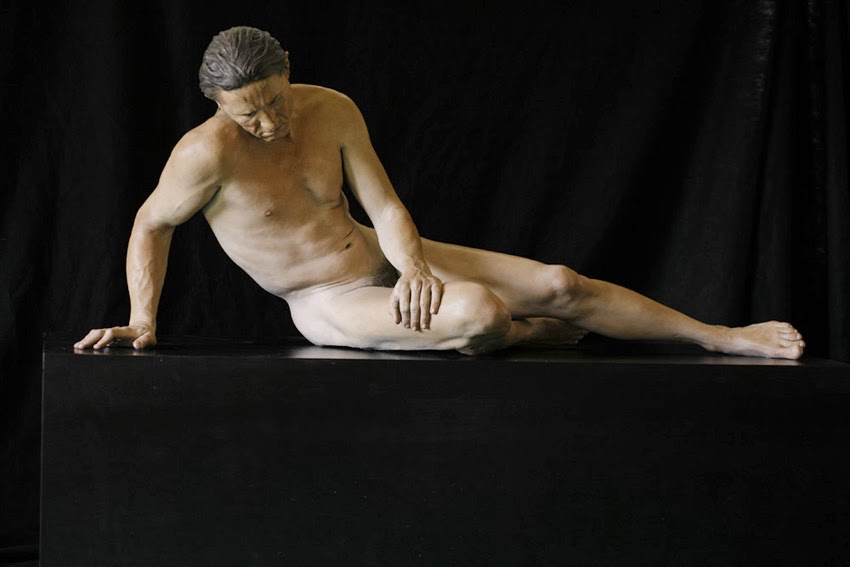
Artists continue to find inspiration in this ancient masterpiece as seen in the work of modern artist John De Andrea (1941- ). In 1984 this photorealist sculptor created a contemporary dying gaul when he cast a human model and created a hyperrealistic sculpture using polyvinyl, oil paint and acrylic hair. The contrast between De Andrea’s modern, realist figure and the idealized, classical pose of The Dying Gaul is a surprising juxtaposition!


The Dying Gaul from the Capitoline Museum, Rome
           John De Andrea, The Dying Gaul, 1984, polyvinyl, oil paint and acrylic hair.

Vincent Van Gogh in Arles, St. Remy and Auvers, 1888-1890 PART III

By |January 13th, 2014|Syndicated Content|


In May 1890, after spending a year at the asylum in St. Remy, Van Gogh left Provence and moved to Normandy.  He wanted to be closer to his brother Theo, but he felt life in Paris would be too stressful. On the advice of fellow painter Camille Pissarro, Van Gogh found lodging in the small hamlet of Auvers-sur-Oiseabout 20 miles from Paris in the countryside. This would be Van Gogh’s last home.

Vincent Van Gogh in Arles, St. Remy and Auvers, 1888-1890 PART III
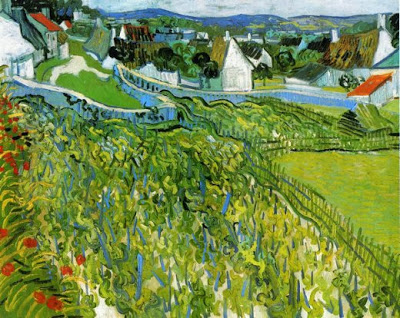
           Vineyards with a View of Auvers, 1890, oil on canvas, Vincent Van Gogh.

Auvers was the home of painter Charles Francois Daubigny who built a house and studio there in 1857.  Cezanne, Monet, Pissarro, Daubigny, Corot and Gauguin were among the many artists who have portrayed the village of Auvers.  Now Van Gogh would paint the charming village full of thatched roof cottages and beautiful gardens.  Van Gogh would write, “Auvers is decidedly very beautiful.”


Vincent Van Gogh in Arles, St. Remy and Auvers, 1888-1890 PART III
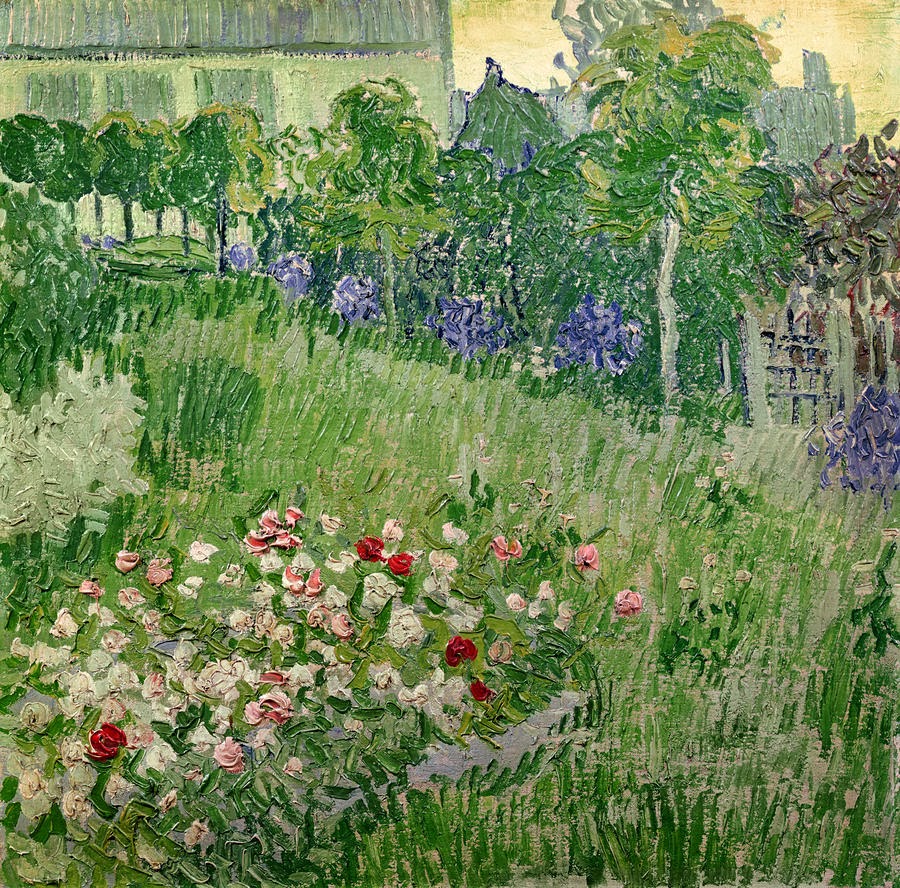
                     Daubigny's Garden, 1890, oil on canvas, Vincent Van Gogh

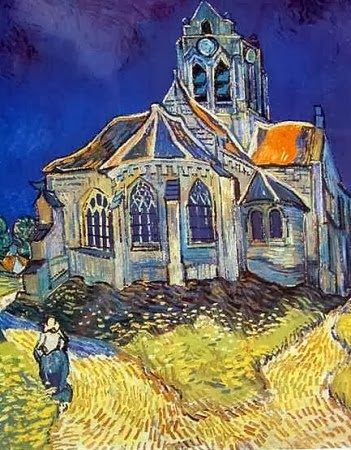
Van Gogh lived in Auvers the last 70 days of his life.  It was his most prolific time; he created 75 paintings and 50 drawings.  His subjects included the local landscape, gardens, Daubigny’s home and gardens, the town church, wheat fields and portraits of his physician Dr. Gachet, his family and other friends.


Vincent Van Gogh in Arles, St. Remy and Auvers, 1888-1890 PART III
                            Vincent Van Gogh's room at the Ravoux Inn in Auvers.

Van Gogh lived in a small cell like room at the Ravoux Inn.  The inn and its café have been restored and are open to the public.  Van Gogh’s room was a small cell like space on the third floor illuminated by a small window.


Vincent Van Gogh in Arles, St. Remy and Auvers, 1888-1890 PART III
                        Church at Auvers, 1890, oil on canvas, Vincent Van Gogh

On July 29, 1890 Van Gogh died of a gun shot wound to the chest, he was 37 years old. Van Gogh is buried in the cemetery in Auvers long side his brother Theo, who passed away six months later.

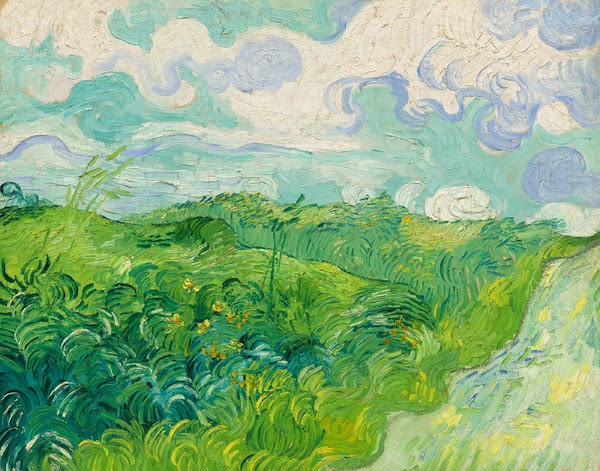
The National Gallery of Art recently acquired one of Van Gogh’s last paintings.  This stunning canvas, called Green Wheat Fields, Auvers bears the hallmaks of Van Gogh’s work- brilliant palette, rich impasto and energetic brushwork.


Vincent Van Gogh in Arles, St. Remy and Auvers, 1888-1890 PART III
               Green Wheat Fields, Auvers, 1890, oil on canvas, Vincent Van Gogh

To learn more about visiting Auvers and the House and Studio of Vincent Van Gogh visit http://www.maisondevangogh.fr/en/.



Inspiration at the Met’s Ancient Egyptian wing

By |December 3rd, 2013|Syndicated Content|

I went to the Met the other day and spent a couple of hours in the Ancient Egyptian wing. I saw a lapis lazuli figurine that blew me away. It was small. But it filled the room with its energy. I keep seeing that vivid blue color in my mind's eye. ...
Vincent Van Gogh in Arles, St. Remy and Auvers, 1888-1890 PART II

By |December 2nd, 2013|Syndicated Content|


In my last post I mentioned that the last two years of Vincent van Gogh’s life were his most prolific.  During those last years he lived in Arles and St. Remy in Provence and Auvers in Normandy. My last post discussed his time in Arles before moving to St. Remy, where he lived from May 1889-May 1990.

Vincent Van Gogh in Arles, St. Remy and Auvers, 1888-1890 PART II
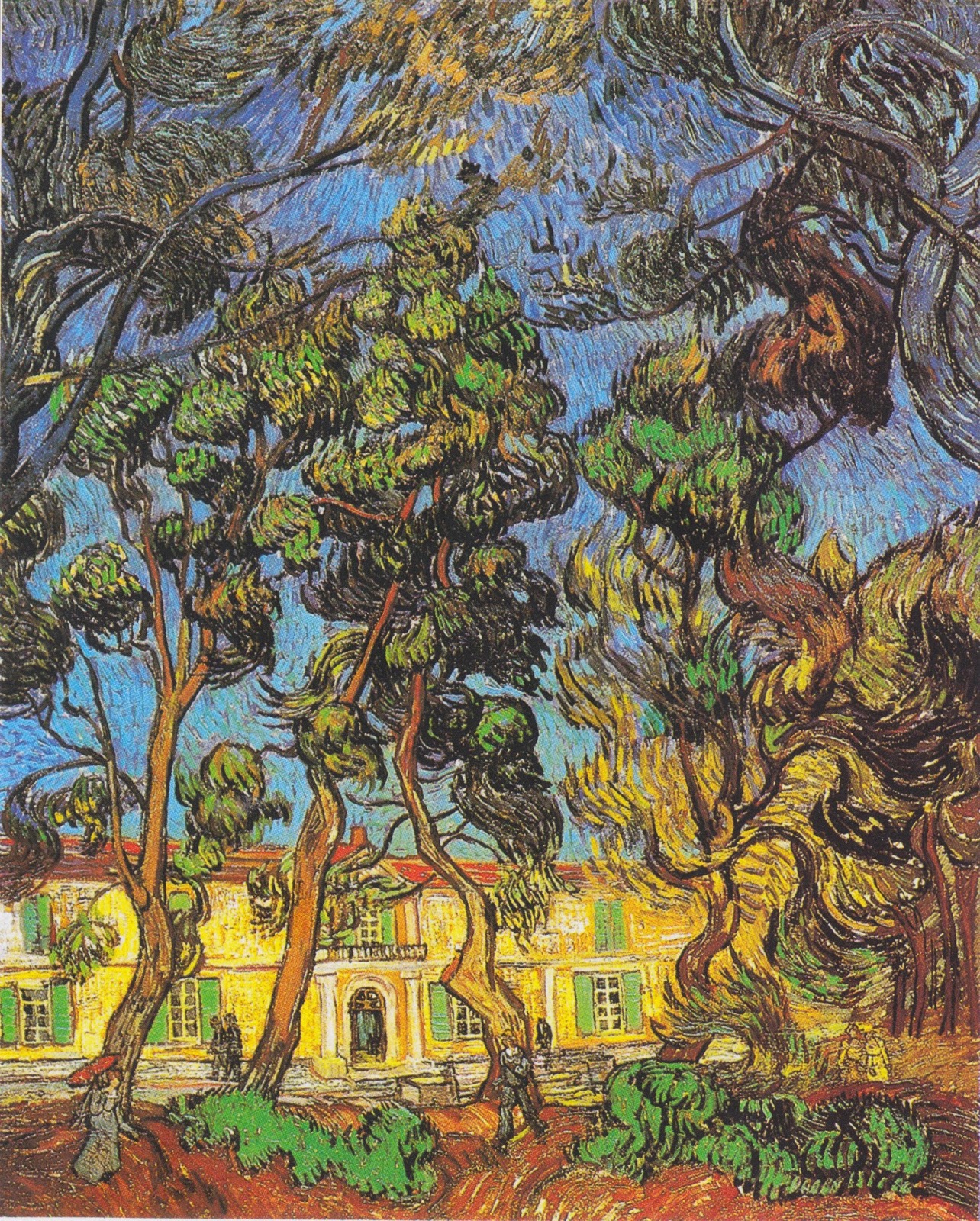
      "Garden at Saint-Paul-de-Mausole"by Vincent van Gogh, 1889, oil on canvas

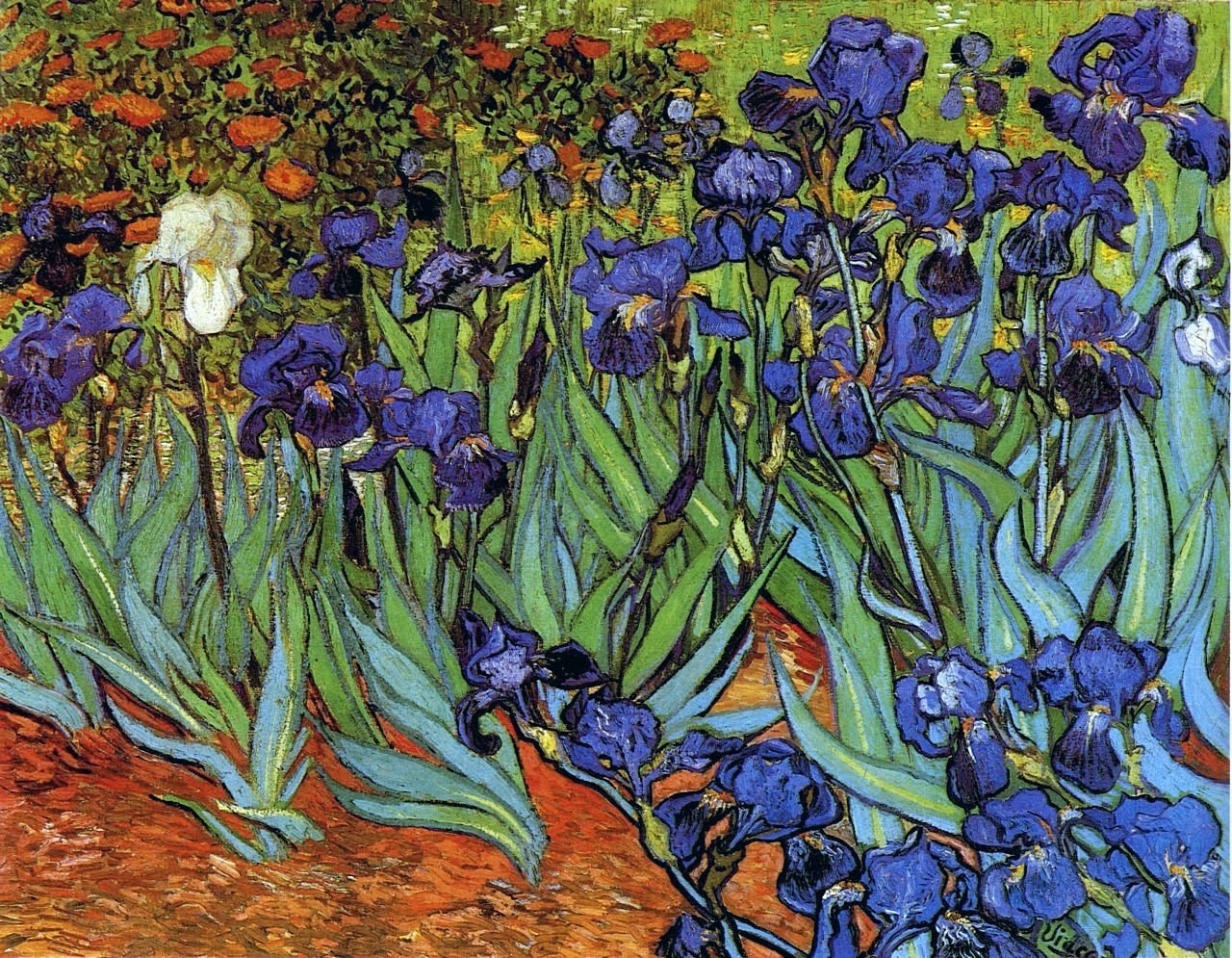
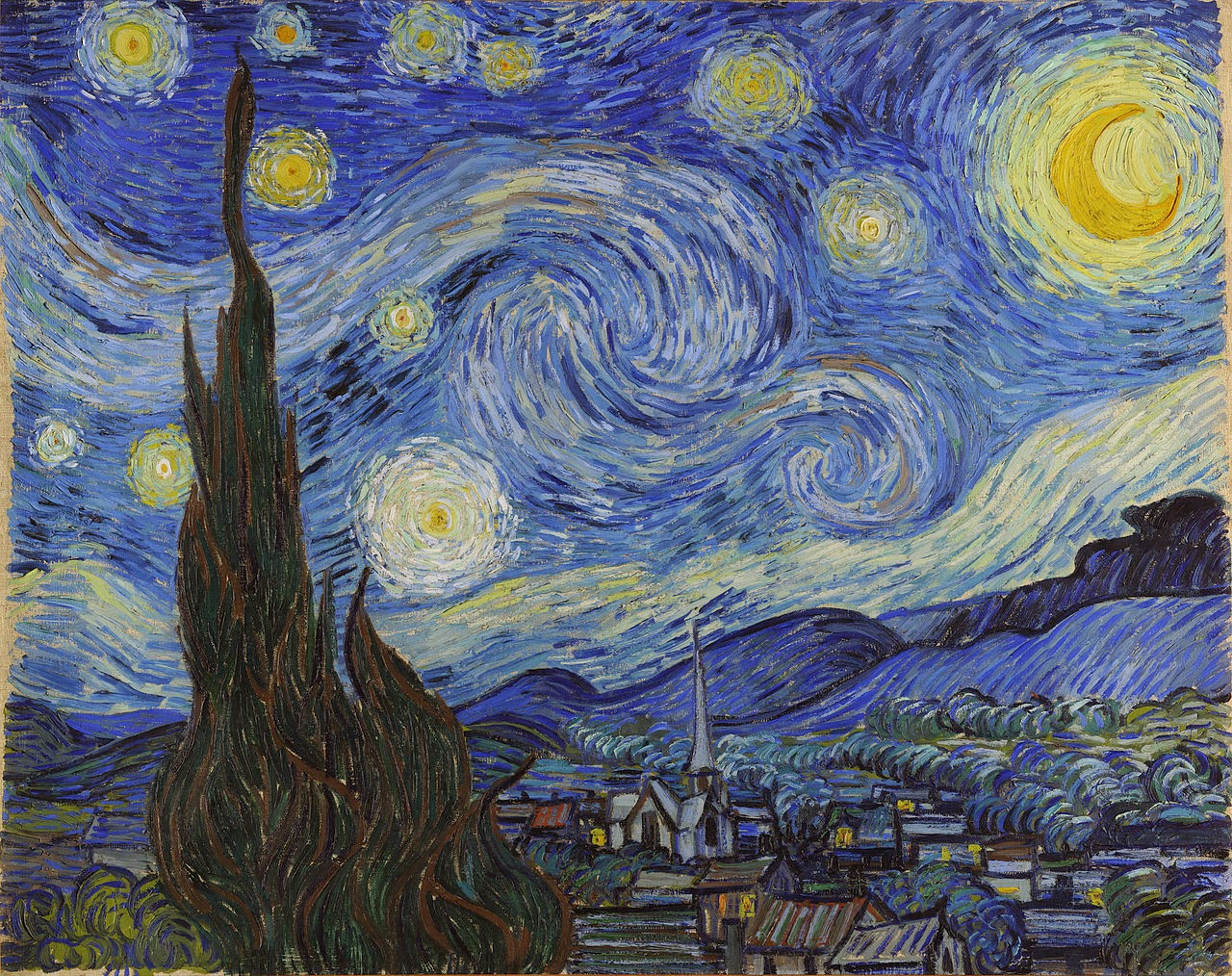
When van Gogh arrived in St. Remy he entered the asylum of Saint-Paul-de–Mausole.  Because of his fragile mental health van Gogh was not permitted to leave the grounds of the asylum. It’s walled gardens, filled with pine trees, lilacs, roses and irises, gave van Gogh a peaceful place to paint directly from nature. He wrote his brother Theo “When you receive the canvases I’ve done in the garden you’ll see that I’m not too melancholy here”. The masterpieces he created on the asylum grounds include “The Irises” and “Starry Night”.  


Vincent Van Gogh in Arles, St. Remy and Auvers, 1888-1890 PART II
                           "Irises" by Vincent van Gogh, 1889, oil on canvas.

Many of the paintings van Gogh created in St. Remy are from direct observation. However  “Starry Night”, which represents the nighttime view from his hospital room, was painted during the day and from memory.  Considered by many to be van Gogh’s most important work “Starry Night” shows his comfort with using the landscape to inspire his imagination.


Vincent Van Gogh in Arles, St. Remy and Auvers, 1888-1890 PART II
                            "Starry Night" by Vincent van Gogh, 1889, oil on canvas.

After a few months van Gogh was allowed beyond the asylum grounds to paint in the surrounding countryside. The resulting masterpieces include “Olive Trees” and “Cypresses”.


Vincent Van Gogh in Arles, St. Remy and Auvers, 1888-1890 PART II
                     "Olive Trees" by Vincent van Gogh, 1889, oil on canvas.

From his room van Gogh painted some of his most beloved still lives including the “Still Life: Vase with Pink Roses”.  The roses were originally pink and contrasted with the stark green background.  Over time the pink has faded and left a stunning, subtle painting of white roses. 


Vincent Van Gogh in Arles, St. Remy and Auvers, 1888-1890 PART II
        "Still Life:Vase with Pink Roses" by Vincent van Gogh, 1889, oil on canvas.

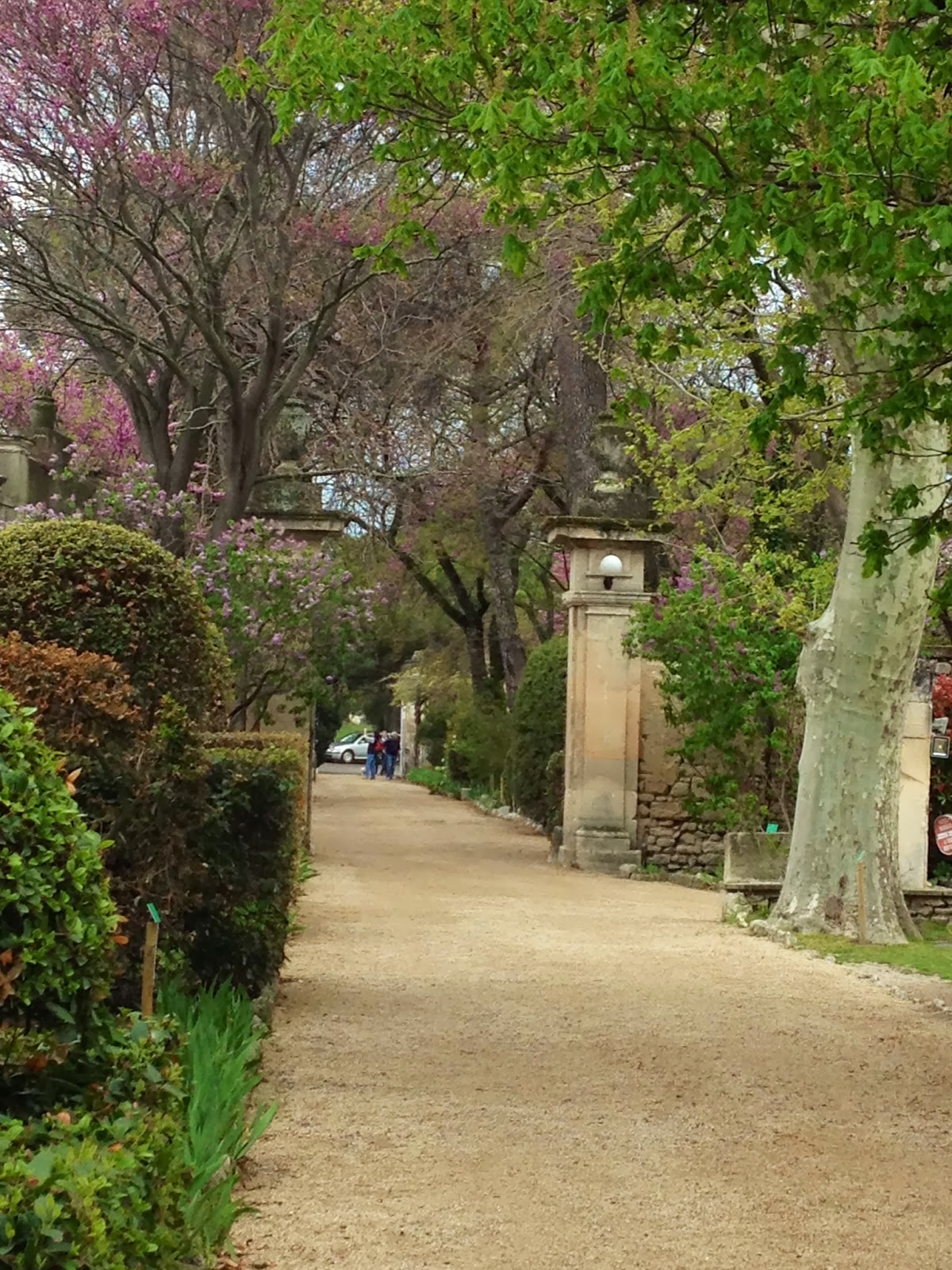
The asylum at Saint-Paul-de-Mausole is still in existence and open to the public.  I visited there in the spring of 2012 and was able to walk the lovely gardens that inspired van Gogh. I also visited his small room where so many masterpieces were created!


Vincent Van Gogh in Arles, St. Remy and Auvers, 1888-1890 PART II
   View of the garden at Saint-Paul-de-Mausole, 2012. Photo by Marie Dauenheimer.

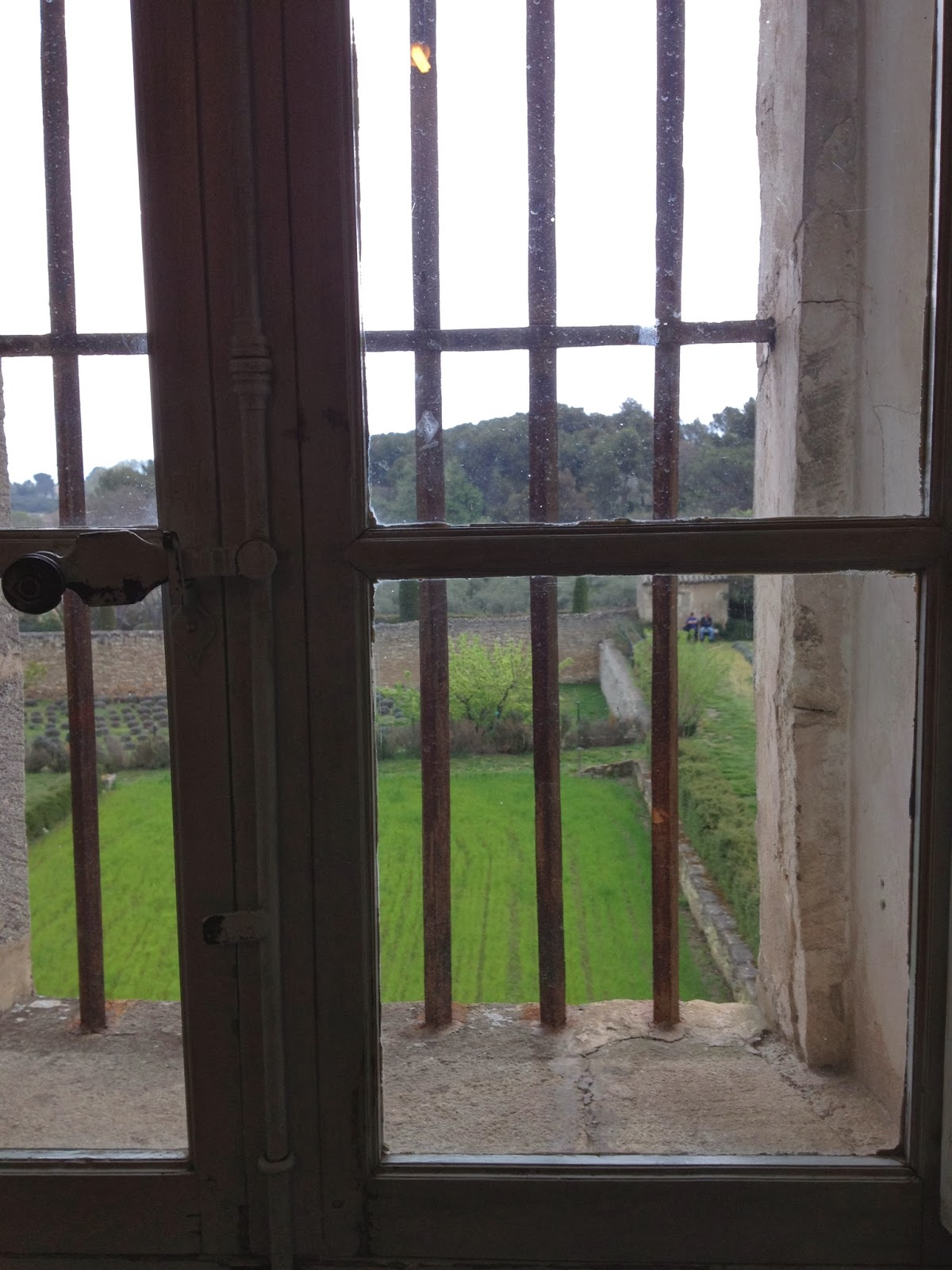
In May of 1890 van Gogh decided to leave the asylum at St. Remy and move north.  Afraid that living in Paris would be too difficult he sought the council of painter Camille Pissarro.  Pissarro suggested van Gogh move to Auvers-sur-Oise in Normandy, about 20 miles from Paris.  It was here that he would become a patient of Dr. Gachet, live out the last months of his life, and experience his most prolific painting interval.


Vincent Van Gogh in Arles, St. Remy and Auvers, 1888-1890 PART II
View from Vincent van Gogh's room at Saint-Paul-de-Mausole, 2012. Photo by Marie Dauenheimer

For more information about visiting St. Remy and the asylum

http://www.tripadvisor.com/ShowUserReviews-g187256-d246640-r136912609-St_Paul_de_Mausolee-Saint_Remy_de_Provence_Bouches_du_Rhone_Provence.html


I toured Arles and St. Remy with tour guide Marlene Boyer of Experience Provence

I highly recommend touring Arles and St. Remy with Marlene!

More from the Two Figures series

By |November 27th, 2013|Syndicated Content|

Here are some more in the Two Figure series. (I'll eventually get around to coming up with a more poetic name for this series.) Some of them may be a bit confused. But I am drawn to how the figures are filling the panels. I want this series to fee...

Adjusting Work Motivations – Freelancing as a New(ish) Parent Part 2

By |November 19th, 2013|Syndicated Content|

In my last post on balancing parenthood with freelancing I talked about maternity leave logistical realities. This week I want to talk a little bit more about the emotional side of things. After defining myself by my work for so … Continue reading

Two figures develop from Reaching Mother series

By |November 19th, 2013|Syndicated Content|

With the Reaching Mother series I've been noticing that there's a hint of two figures overlapping in some of the pieces. So I have decided to deliberately work with two figures. Here's one I made a few days ago. 24" x 20"