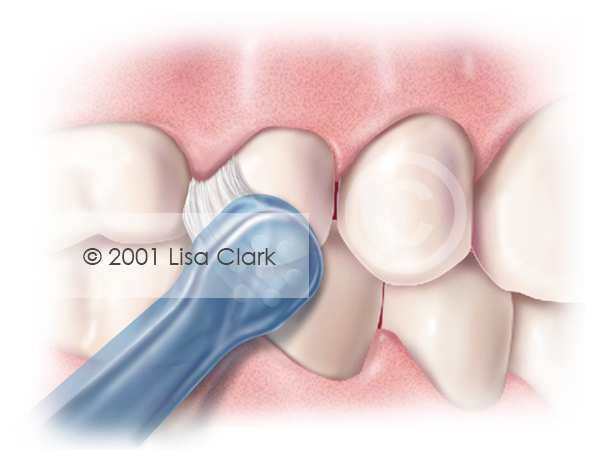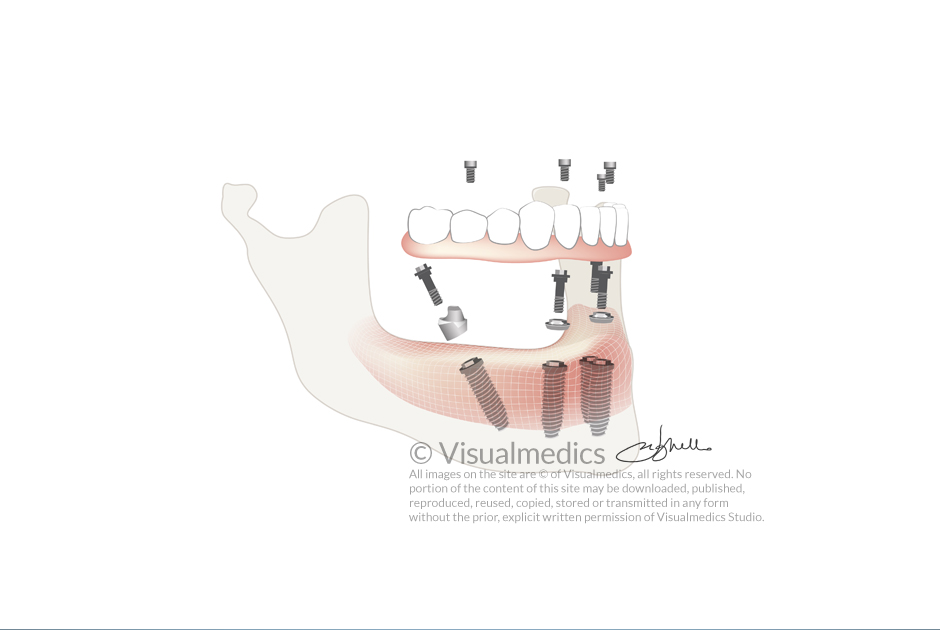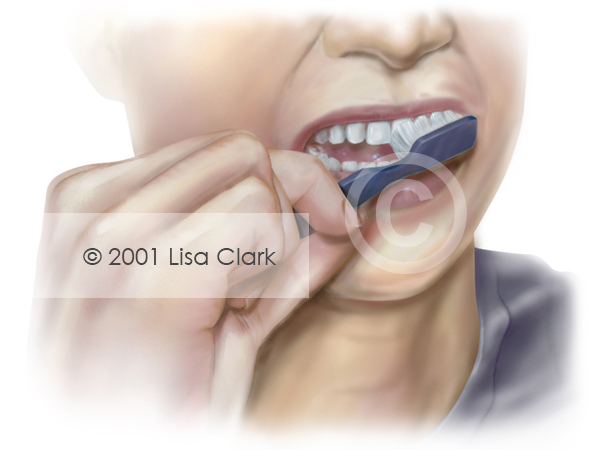
Dental Home Care: Proper Brush Placement
Dental Home Care: Proper Brush Placement The post Dental Home Care: Proper Brush Placement appeared first on Clark Medical Illustration.

Dental Home Care: Proper Brush Placement The post Dental Home Care: Proper Brush Placement appeared first on Clark Medical Illustration.
Dental Home Care: End Tuft Brush Properly Placed Next to Teeth The post Dental Home Care: End Tuft Brush Properly Placed Next to Teeth appeared first on Clark Medical Illustration.
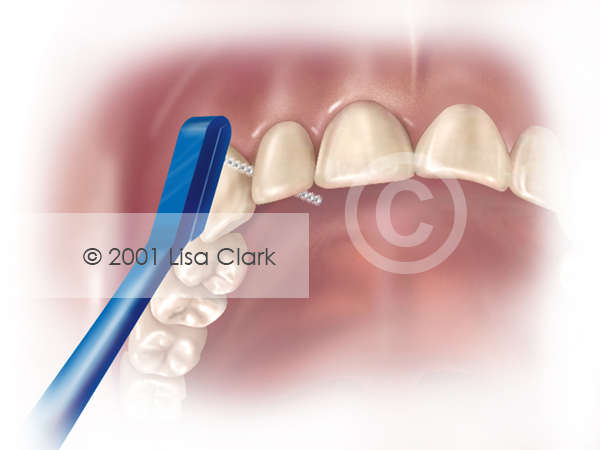
Dental Home Care: Proxi-brush Properly Placed Between Teeth The post Dental Home Care: Proxi-brush Properly Placed Between Teeth appeared first on Clark Medical Illustration.
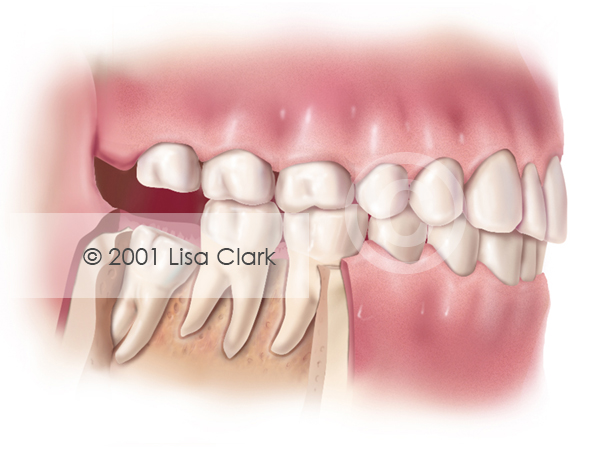
Impacted Wisdom Tooth: Soft Tissue Impacted The post Impacted Wisdom Tooth: Soft Tissue Impacted appeared first on Clark Medical Illustration.
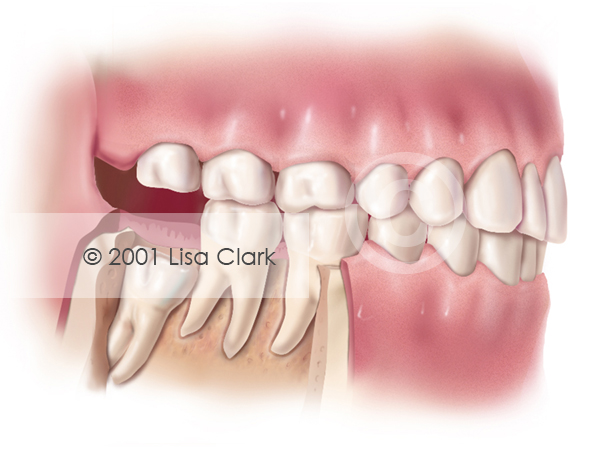
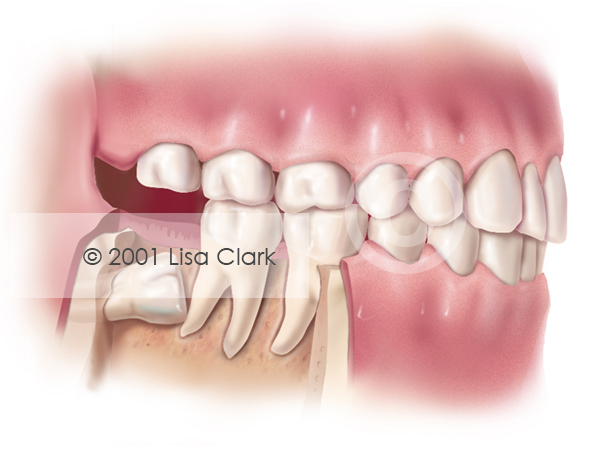
Impacted Wisdom Tooth: “Partial Bony” Impacted
The post Impacted Wisdom Tooth: “Partial Bony” Impacted appeared first on Clark Medical Illustration.
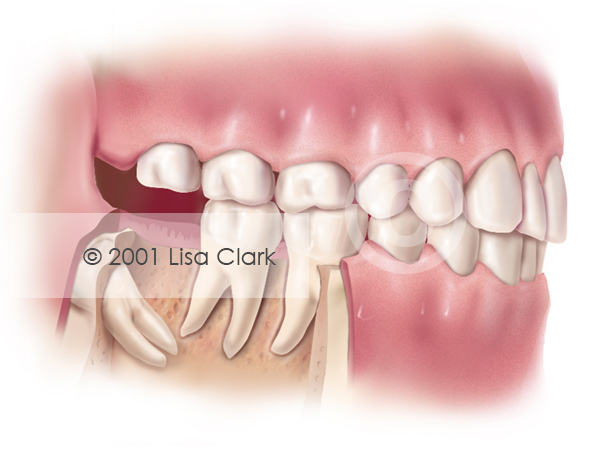
Impacted Wisdom Tooth “Full Bony” or “Horizontally” Impacted
The post Impacted Wisdom Tooth “Full Bony” or “Horizontally” Impacted appeared first on Clark Medical Illustration.
Impacted Wisdom Tooth: “Distally” Impacted
The post Impacted Wisdom Tooth: “Distally” Impacted appeared first on Clark Medical Illustration.
Dental Inlay: Tooth prepared for Inlay The post Dental Inlay: Tooth prepared for Inlay appeared first on Clark Medical Illustration.
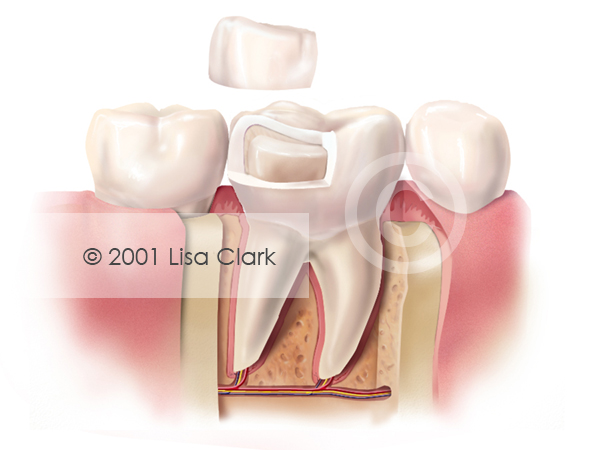
Dental Inlay: Inlay Near Final Position The post Dental Inlay: Inlay Near Final Position appeared first on Clark Medical Illustration.
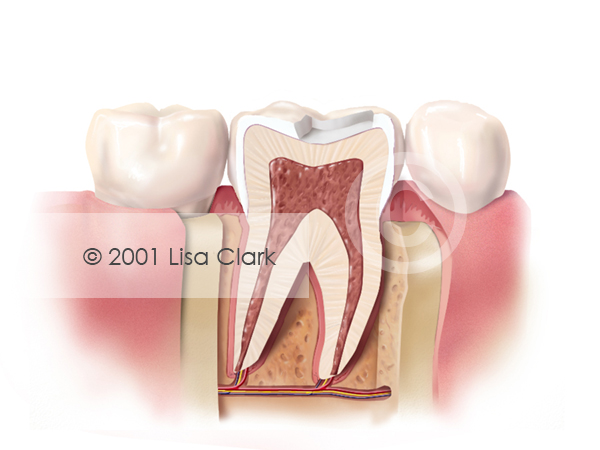
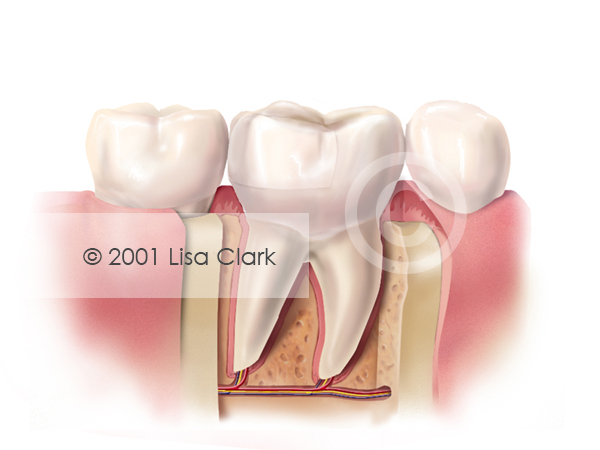
Dental Inlay: Inlay in Final Position The post Dental Inlay: Inlay in Final Position appeared first on Clark Medical Illustration.
Dental Onlay: Onlay in Final Position The post Dental Onlay: Onlay in Final Position appeared first on Clark Medical Illustration.
Dental Onlay: Onlay Near Final Position The post Dental Onlay: Onlay Near Final Position appeared first on Clark Medical Illustration.
Dental Onlay: Tooth Prepared for Onlay The post Dental Onlay: Tooth Prepared for Onlay appeared first on Clark Medical Illustration.
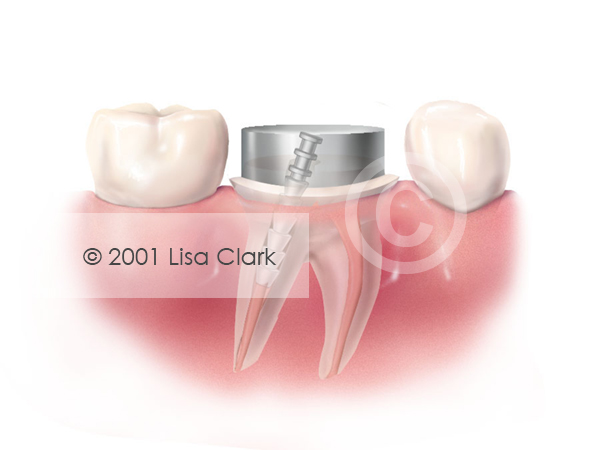
Dental Post 1: Build Up Material in Place
The post Dental Post 1: Build Up Material in Place appeared first on Clark Medical Illustration.
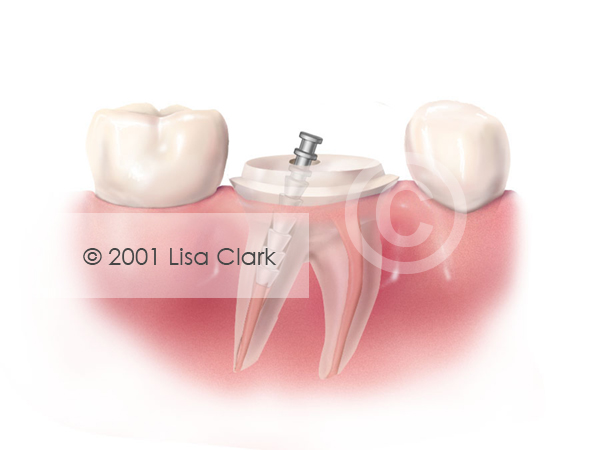
Dental Post 1: Prefabricated Post in Place
The post Dental Post 1: Prefabricated Post in Place appeared first on Clark Medical Illustration.
Dental Post 1: Damaged Tooth The post Dental Post 1: Damaged Tooth appeared first on Clark Medical Illustration.
Dental Retention Pin The post Dental Retention Pin appeared first on Clark Medical Illustration.
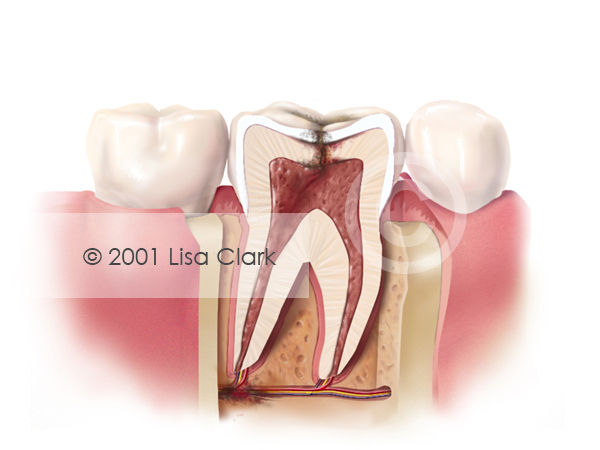
Root Canal: Tooth Requiring Root Canal The post Root Canal: Tooth Requiring Root Canal appeared first on Clark Medical Illustration.
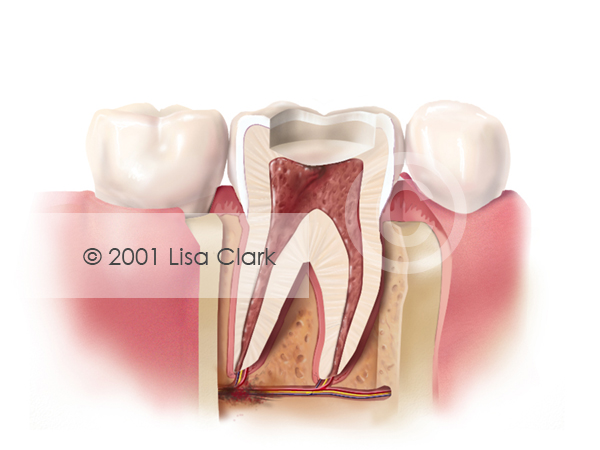
Root Canal: Enamel and Dentin Removed The post Root Canal: Cross Section of Tooth Requiring Root Canal appeared first on Clark Medical Illustration.
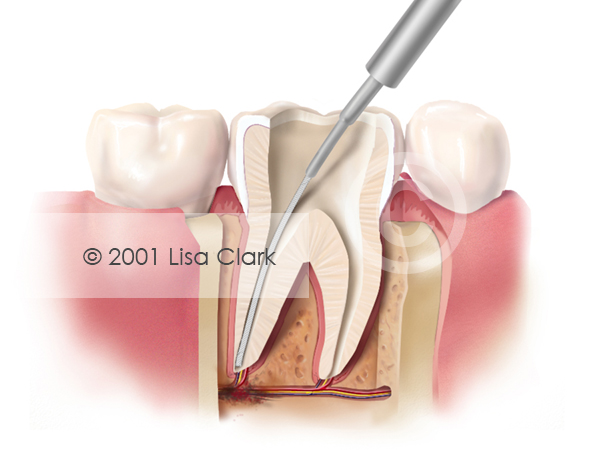
Root Canal: Pulp Removed The post Root Canal: Pulp Removed appeared first on Clark Medical Illustration.
Root Canal: Canals Filled The post Root Canal: Canals Filled appeared first on Clark Medical Illustration.
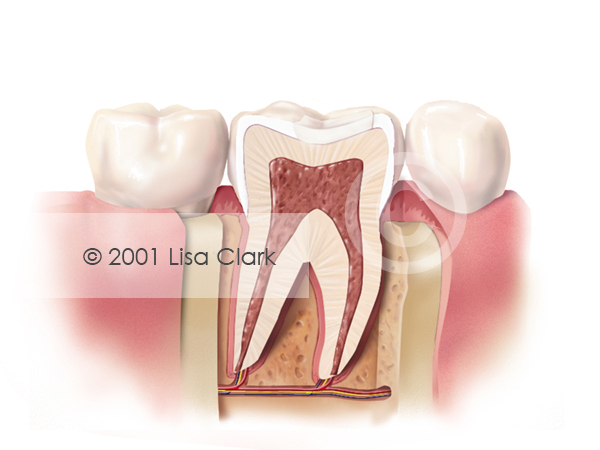
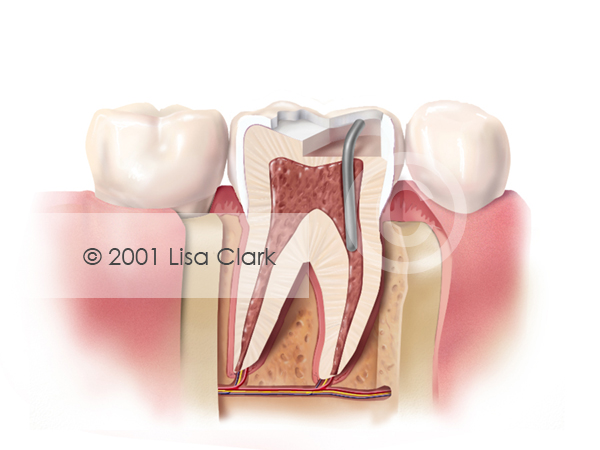
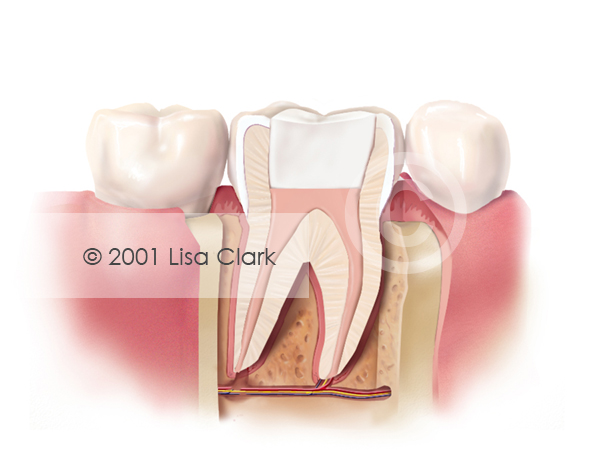
Root Canal: Final Filling (White Material) The post Root Canal: Final Filling (White Material) appeared first on Clark Medical Illustration.
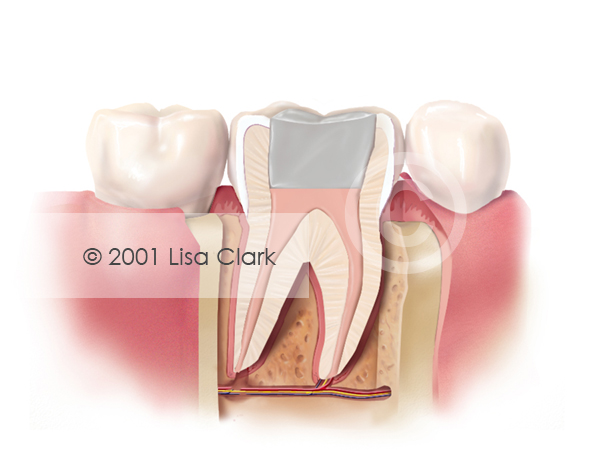
Root Canal: Final Filling (Silver Material) The post Root Canal: Final Filling (Silver Material) appeared first on Clark Medical Illustration.
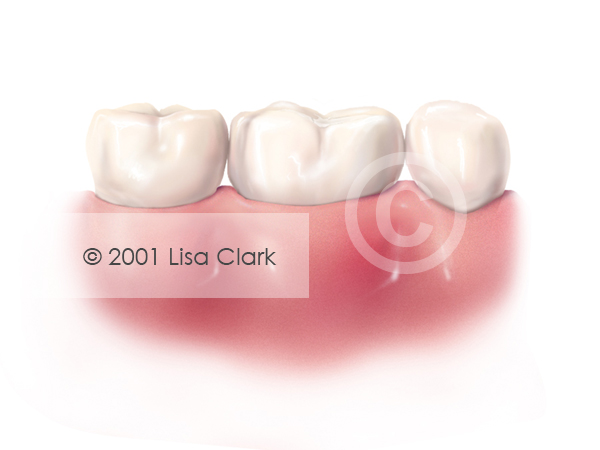
Sealants: Finished Procedure The post Sealants: Finished Procedure appeared first on Clark Medical Illustration.
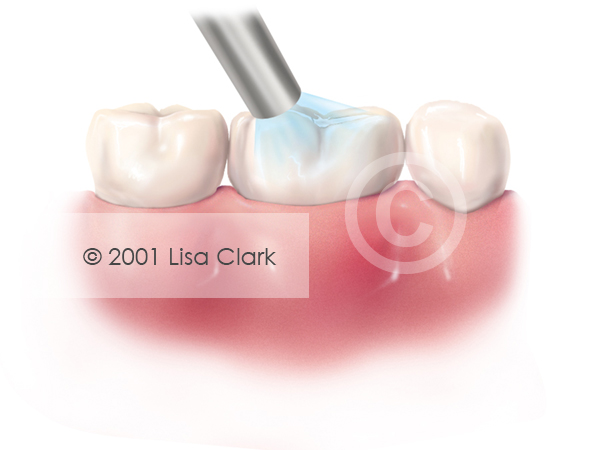
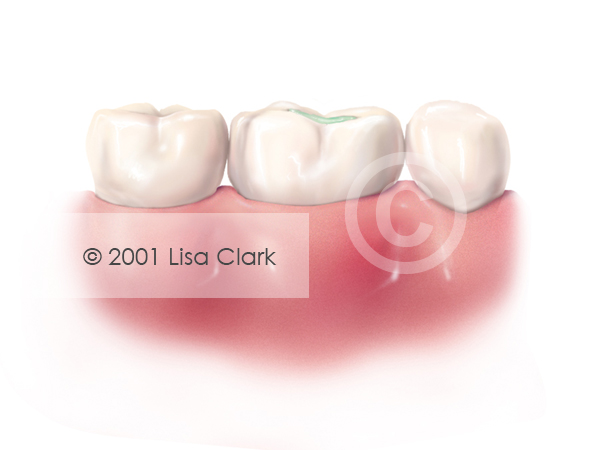
Sealants: Sealant Material Cured by Light The post Sealants: Sealant Material Cured by Light appeared first on Clark Medical Illustration.
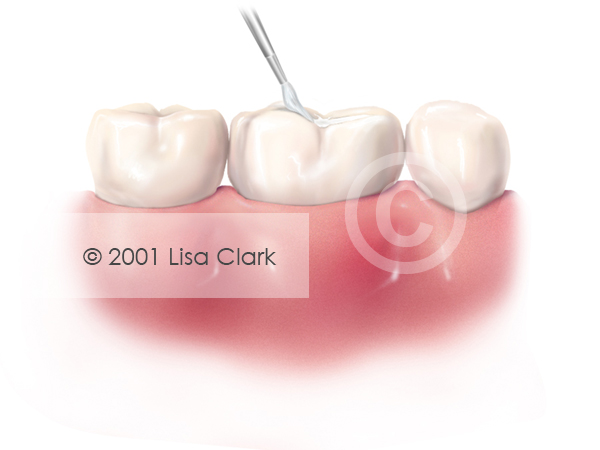
Sealants: Sealant Material Applied to Grooves The post Sealants: Sealant Material Applied to Grooves appeared first on Clark Medical Illustration.
Sealants: Etchant Applied The post Sealants: Etchant Applied appeared first on Clark Medical Illustration.
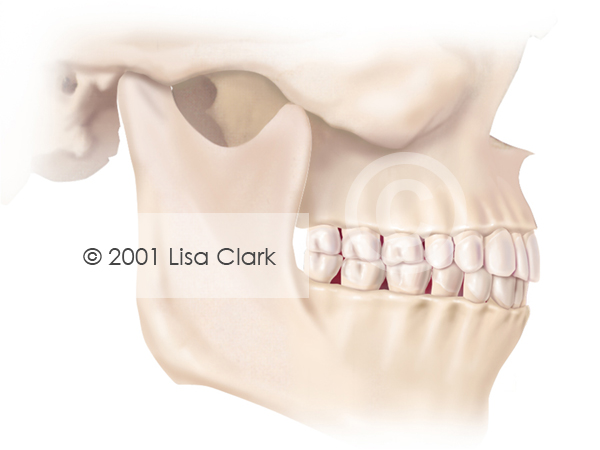
TMJ Dysfunction: Normal Temporamandibular Joint The post TMJ Dysfunction: Normal Temporamandibular Joint appeared first on Clark Medical Illustration.
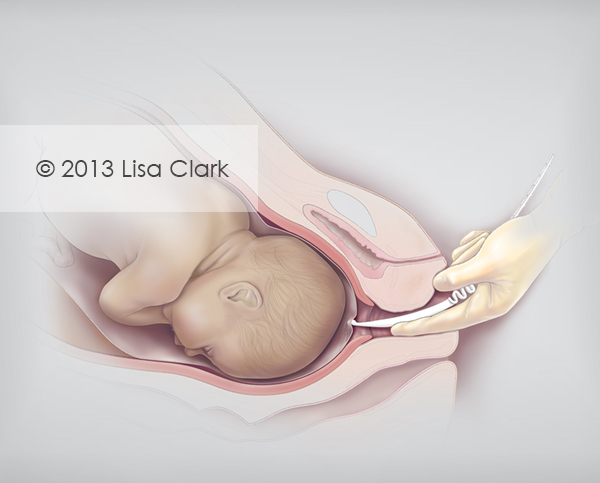
Amnion perforators are used to puncture the amniotic sac (amniotomy) during labor. This illustration was used for a medical device manufacturer’s marketing materials.
The post Amniotic Membrane Perforator appeared first on Clark Medical Illustration.
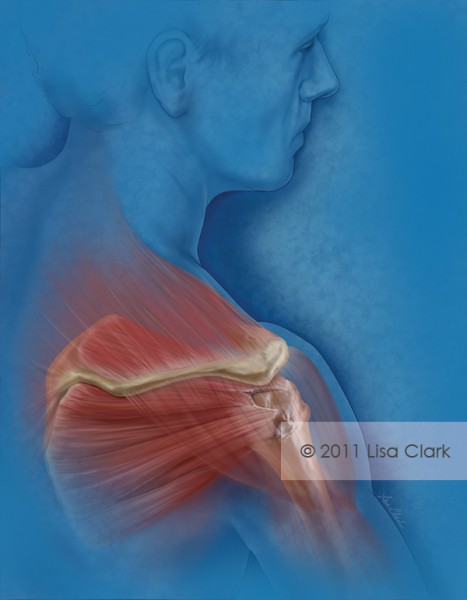
A rotator cuff tear is a tear in one of the tendons of the four rotator cuff muscles in the shoulder. This illustration was used as a journal cover illustration demonstrating the repair of a u-shaped rotator cuff tear. The post Rotator Cuff Tear appea...
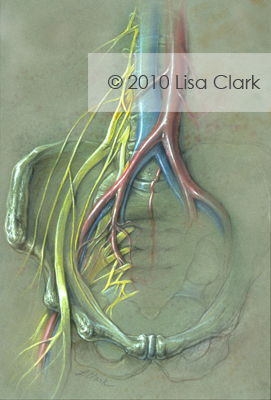
Illustration of lumbo-sacral nerve plexus, pelvis, iliac arteries, femoral arteries and lumbar spine. The post Sacral Nerve Plexus appeared first on Clark Medical Illustration.
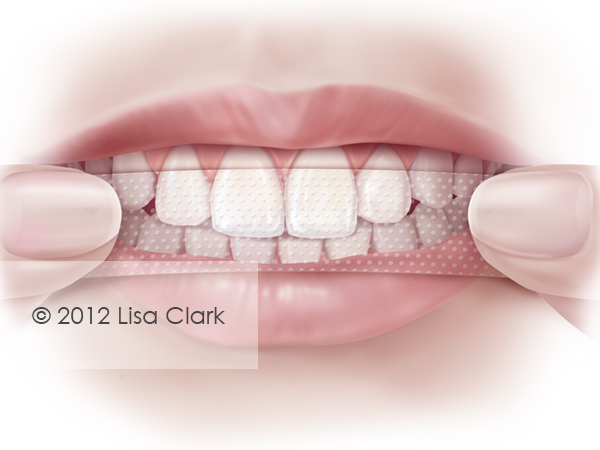
Teeth whitening strips are a popular home remedy for fixing stained or discolored teeth. This image was created as a marketing piece for a dental product manufacturer.
The post Teeth Whitening Strips appeared first on Clark Medical Illustration.
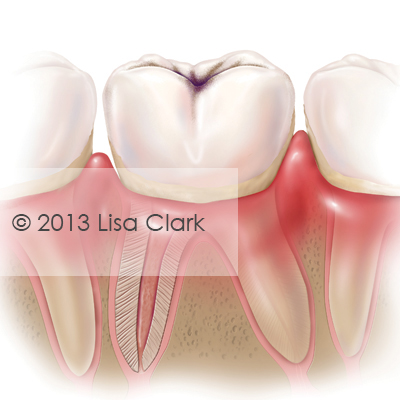
Buccal (frontal) view of molar with dental decay. The post Dental Caries (Cavities) appeared first on Clark Medical Illustration.
Percutaneous coronary intervention (PCI) for chronic total occlusions. The post Percutaneous Coronary Intervention appeared first on Clark Medical Illustration.
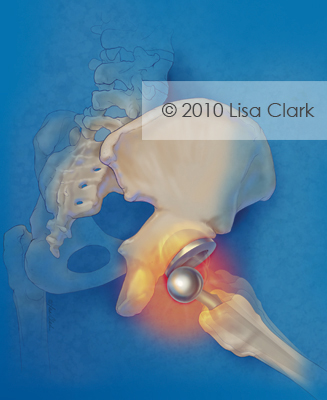
Dislocation is an uncommon, but potential complication to hip replacement surgery. This illustration demonstrates the failure of a metal on metal hip implant. The post Hip Replacement Failure appeared first on Clark Medical Illustration.
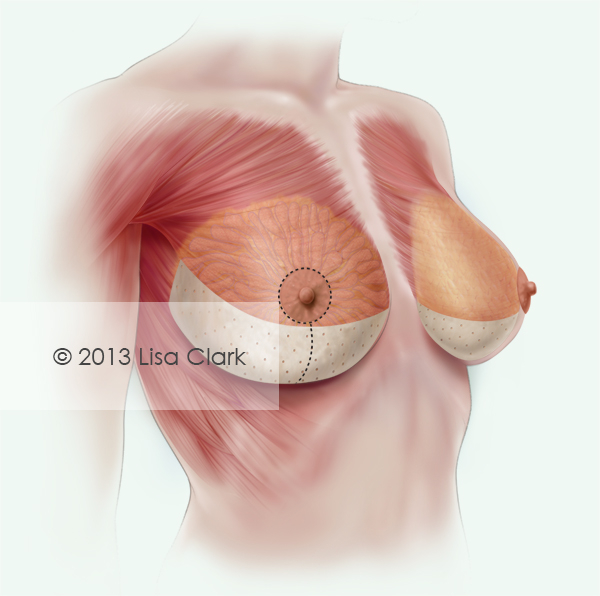
This image was used to demonstrate the placement of a new biological graft used in comprehensive breast reconstruction and revision procedures, including mastopexy or “breast lift”.
The post Mastopexy with Biological Graft appeared first on Clark Medical Illustration.
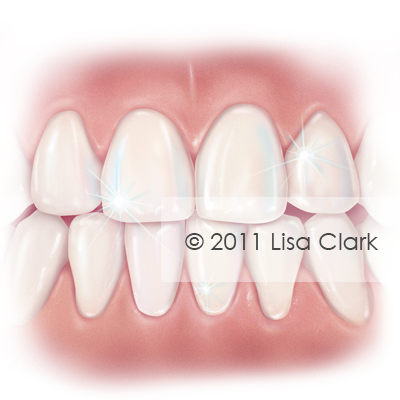
Frontal view of health adult teeth and gums. The post Healthy Teeth appeared first on Clark Medical Illustration.
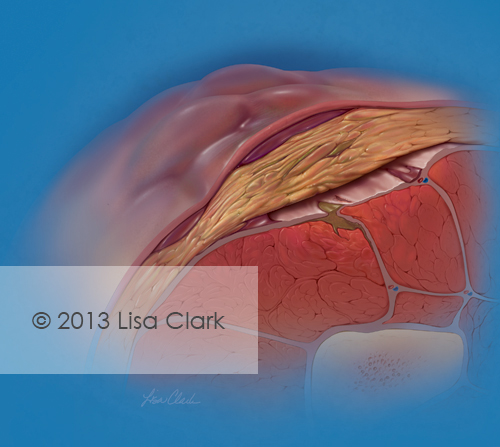
Necrotizing fasciitis (NF), commonly known as flesh-eating disease or Flesh-eating bacteria syndrome, is a rare infection of the deeper layers of skin and subcutaneous tissues, easily spreading across the fascial plane within the subcutaneous tissue.
The post Necrotizing Fasciitis appeared first on Clark Medical Illustration.
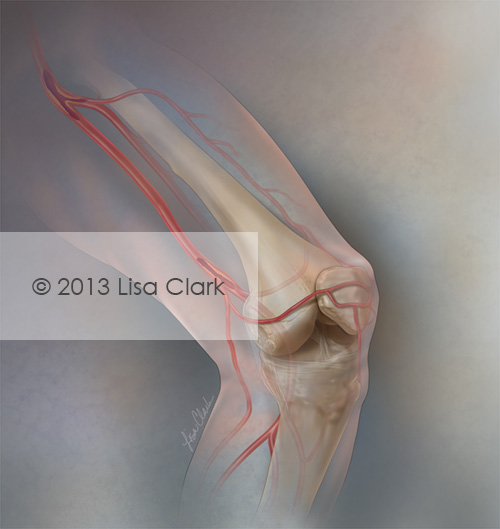
Journal cover illustration about the difficulties and options for the treatment of superficial femoral artery disease (SFA). The post Superficial Femoral Artery Disease appeared first on Clark Medical Illustration.
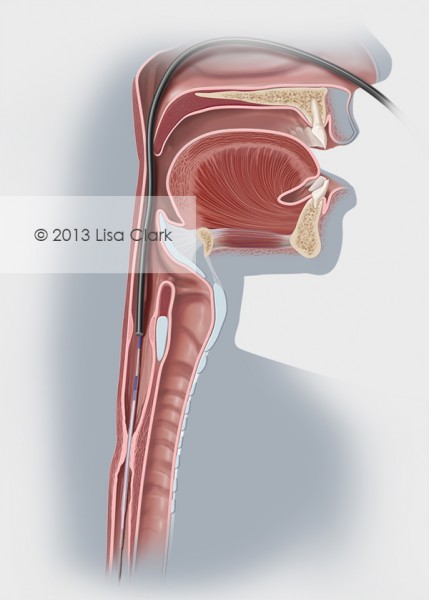
Esophageal stricture is a narrowing of the esophagus that causes swallowing difficulties. This image was used for medical device marketing materials.
The post Esophageal Stricture appeared first on Clark Medical Illustration.
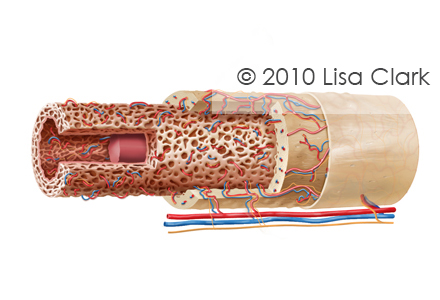
Long bone anatomy consists of a layer of connective tissue called the periosteum. The outer shell of the long bone is compact bone with a deeper layer of cancellous bone (spongy bone) which contains red bone marrow. The interior part of the long bone is the medullary cavity with the […]
The post Long Bone Anatomy appeared first on Clark Medical Illustration.
This editorial illustration was created for a May 2014 cover of American Family Physician. The image summarizes Unintentional Weight Loss in Elderly. Elderly patients with unintentional weight loss are at higher risk for infection, depression and death. The leading causes of involuntary weight loss are depression (especially in residents of long-term care facilities), cancer (lung […]
Diagnosis and Initial Management of Dysmenorrhea AMIMI S. OSAYANDE, MD, and SUARNA MEHULIC, MD, University of Texas Southwestern Medical Center, Dallas, Texas Am Fam Physician. 2014 Mar 1;89(5):341-346. Dysmenorrhea is one of the most common causes of pelvic pain. It negatively affects patients’ quality of life and sometimes results in activity restriction. A history and physical examination, including […]
Learn more about the new model in Cloud publishing, its practicality and editorial usage in medicine. Cloud publishing allows for faster information anywhere and on any device and is quickly becoming popular also for the medical and scientific publishing industry. A cloud publishing environment allows for remote access to programs, files and services on the internet, and it is possible to access these on any device with internet access. Google Docs is an excellent example
Portable Organ Perfusion is a startup company innovating with a truly disposable portable organ perfusion system. We offered all support needed to build up the visual identity from scratch. The branding of the startup needed to be taken care thoroughly. So we set up appointments to understand the client’s needs and made up a strategy. We rolled into the team’s daily schedule to make it happen, time was not on the team’s side. Startups are constantly busy planning the latest
We recently concurred to start a exciting project. The Client looked for an illustration agency able to commit with sharp deadlines and listen to multiple associates feedbacks. We created the right recipe for a branded medical dental illustration collection supporting their content. The client is creating an online global reference portal illustrating procedures, making material available to professionals worldwide. The dental illustrations developed should aid the understanding of articles by providing a visual educational reference to the techniques used. We pitched with
Our bodies are made up of the trillions of cells encoded by our unique DNA–right? Current research is diving into another rabbit hole, with suggestions that the microbes that coexist with us are just as much US, as our ‘own’ … Continue reading →







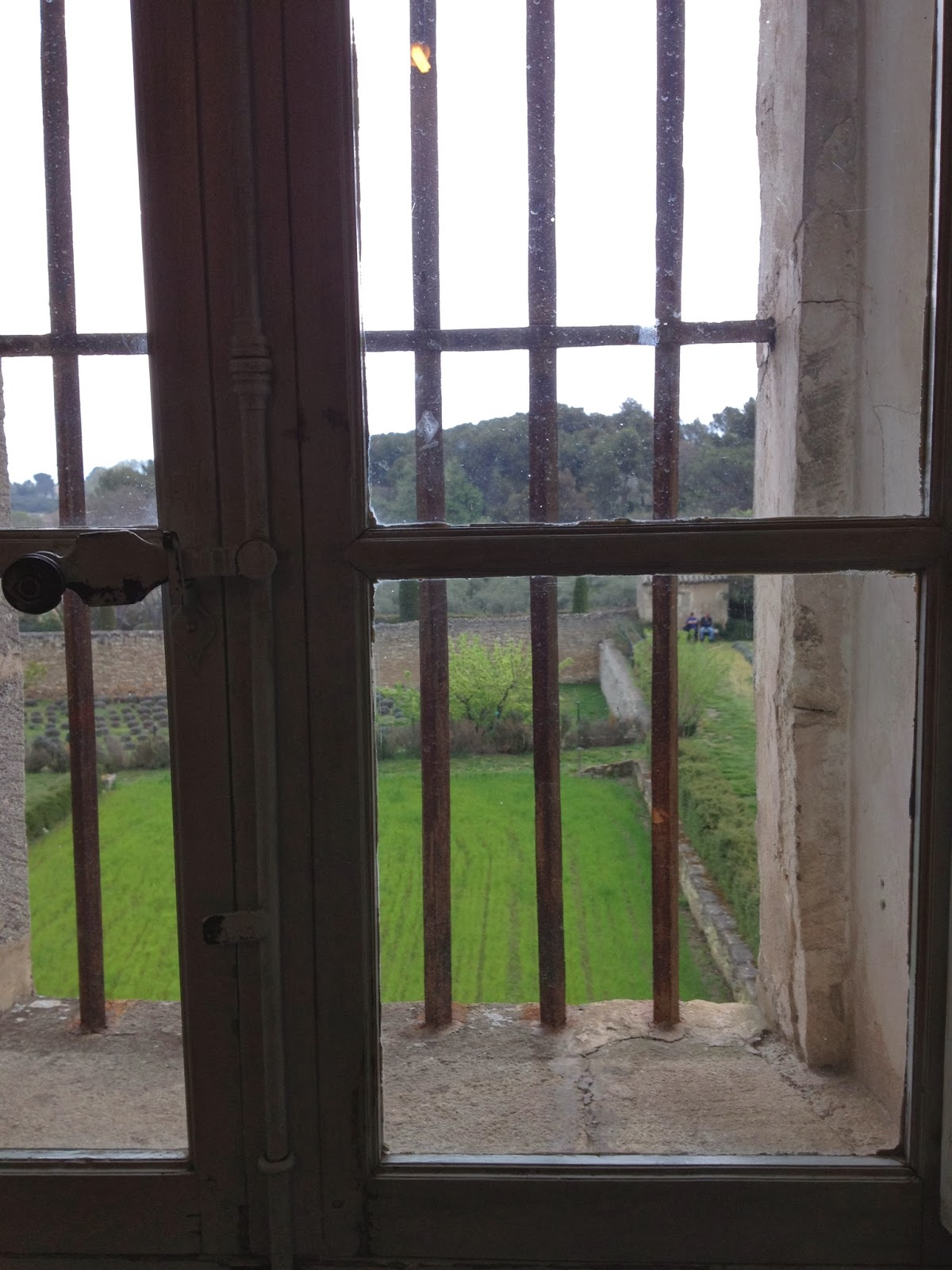
In my last post on balancing parenthood with freelancing I talked about maternity leave logistical realities. This week I want to talk a little bit more about the emotional side of things. After defining myself by my work for so … Continue reading →
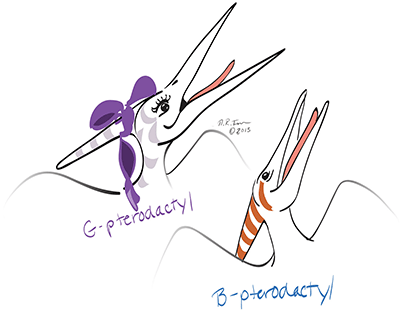
Since becoming a full-time freelance illustrator 6 years ago, I’ve had 2 beautiful children (the pterodactyls, because that’s what they sound like when they cry). That means 2 x 9 = 18 months of hormone-induced sleepiness, and over two years … Continue reading →


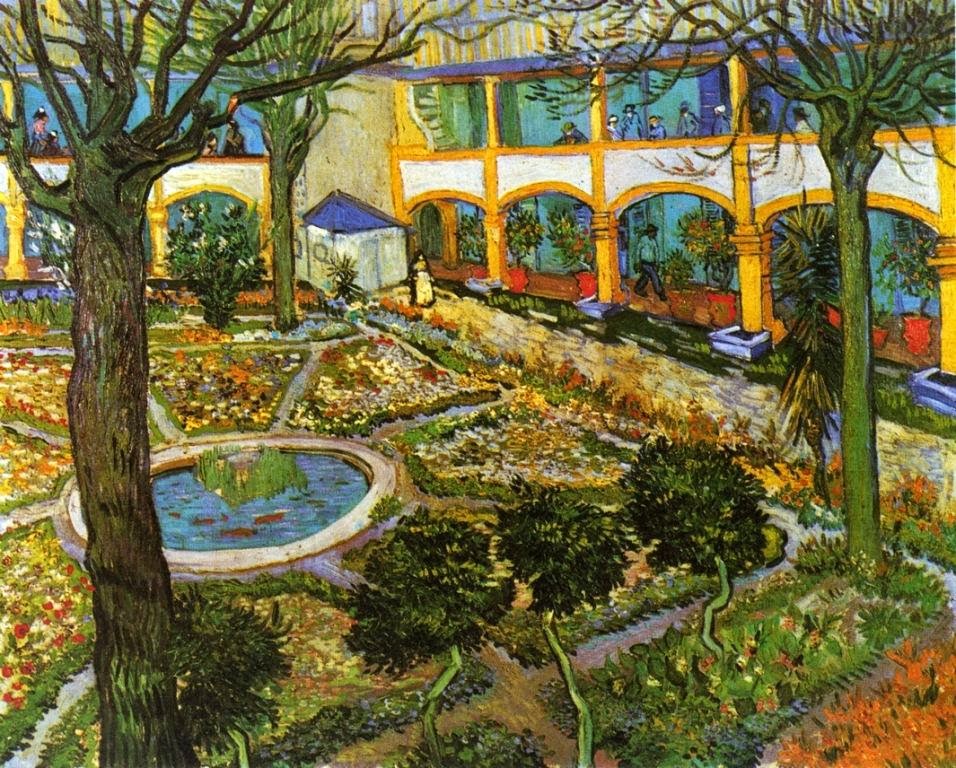

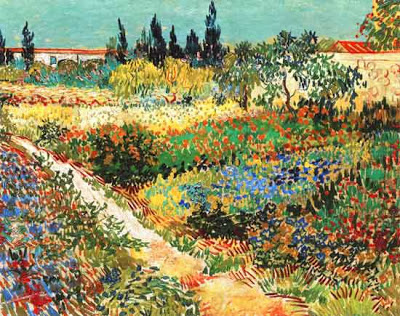
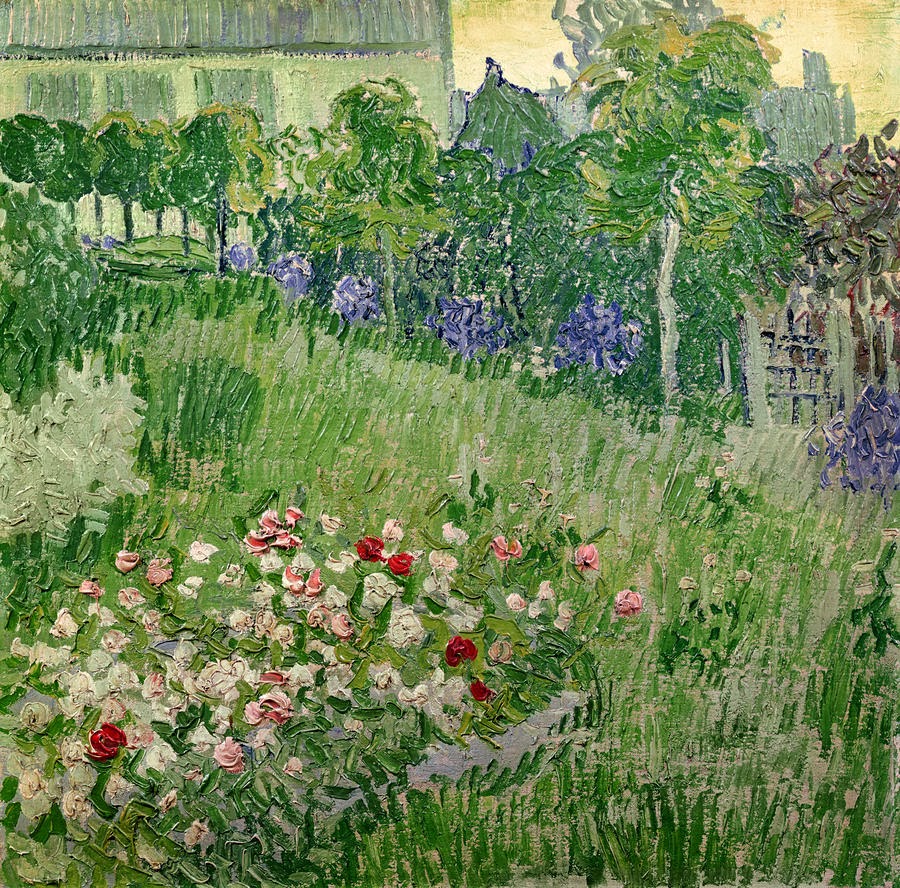
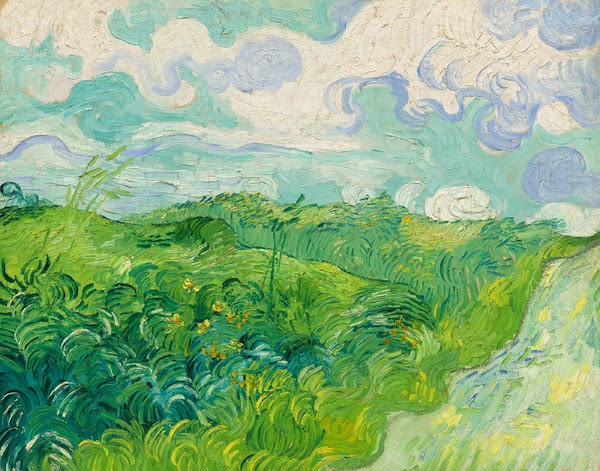
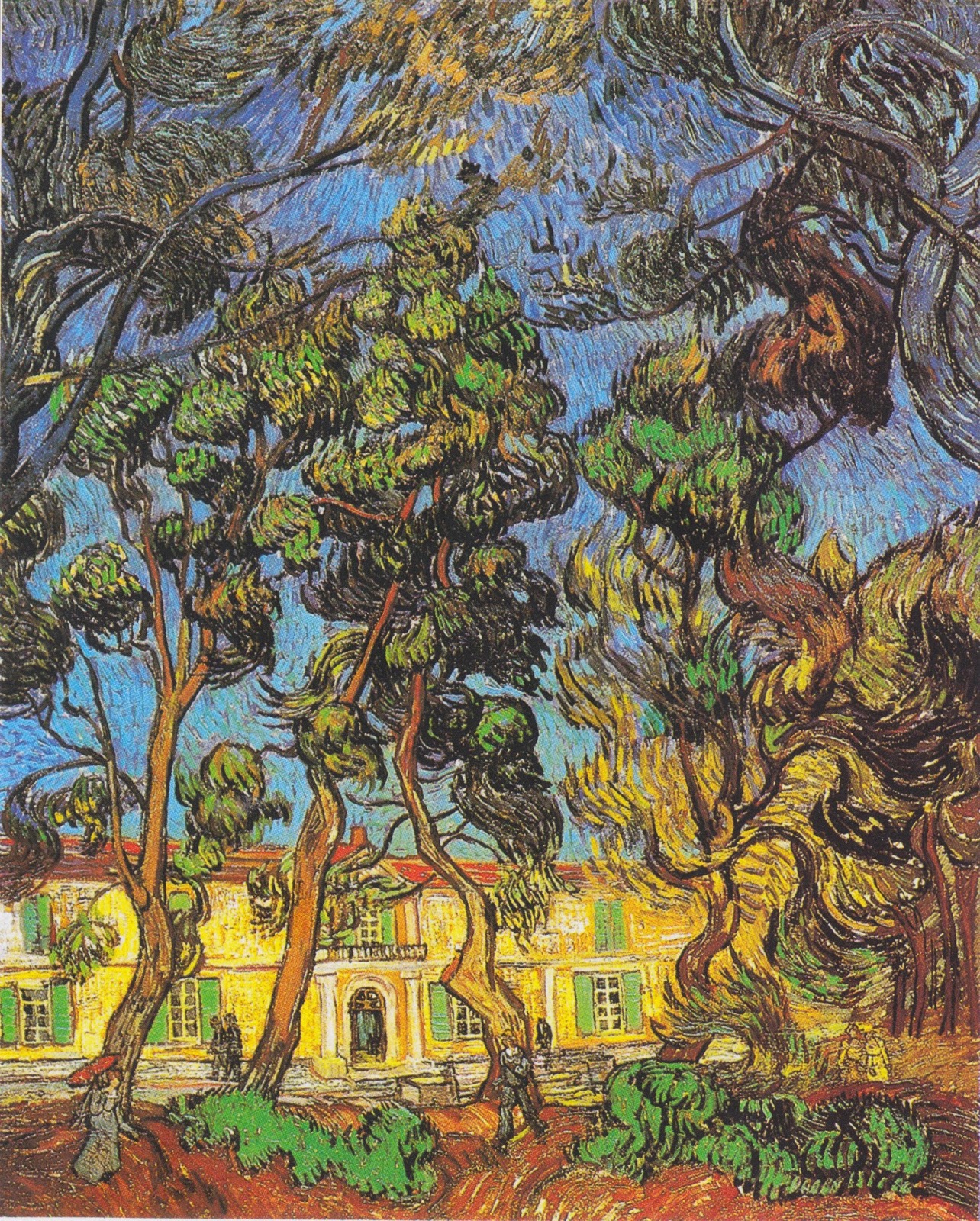
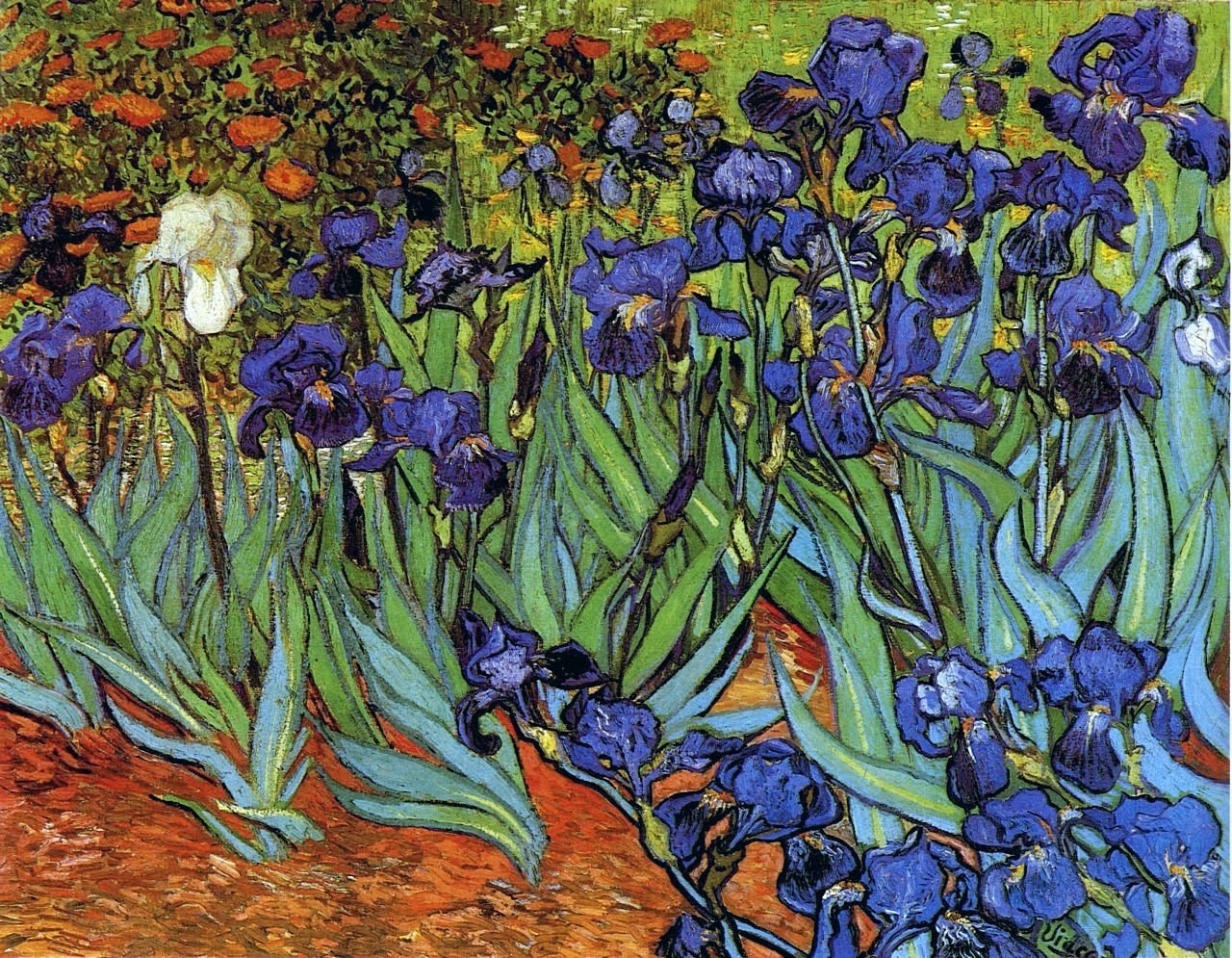
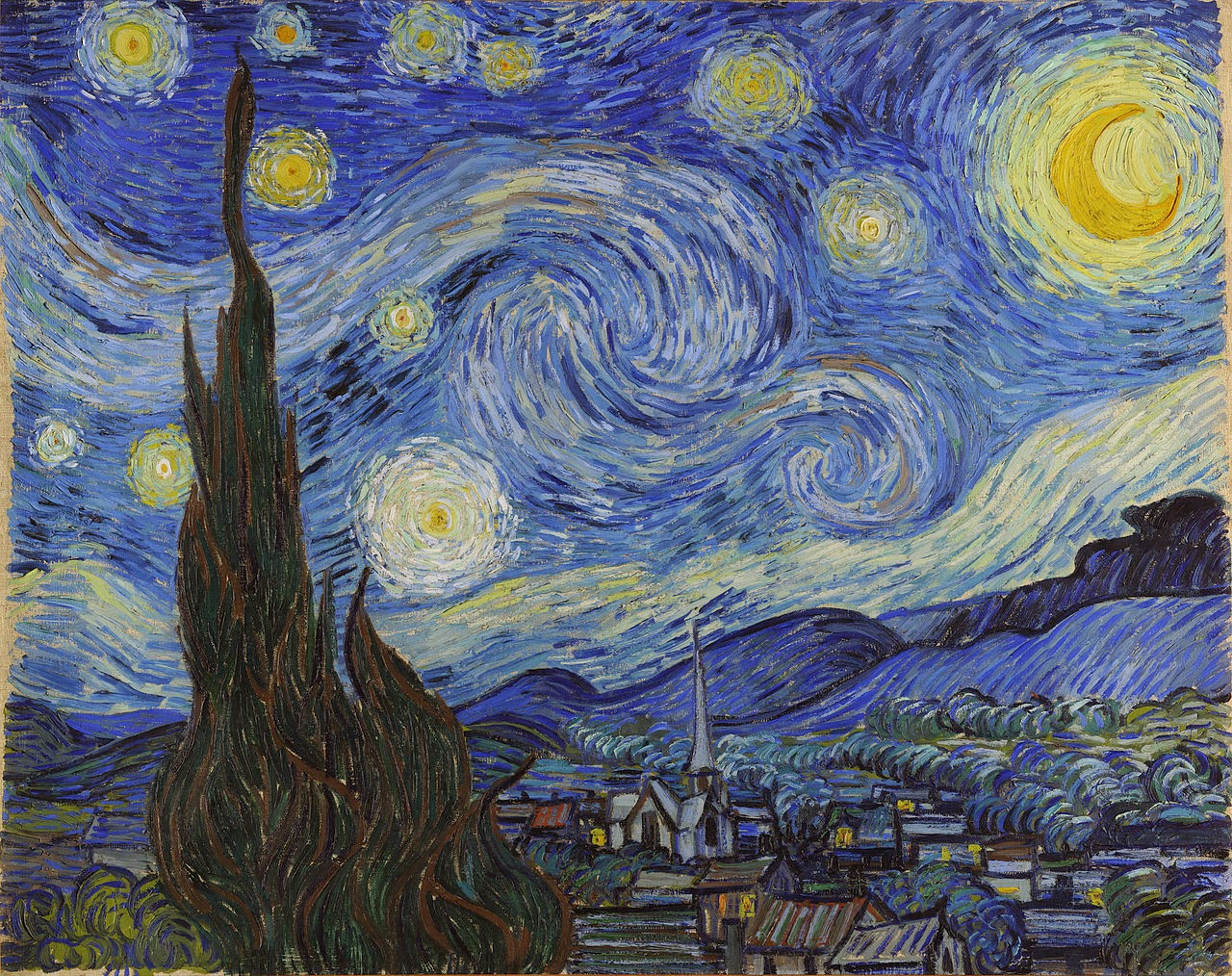
I plan to do future blog postings about van Gogh's work and life in St. Remy and Auvers-sur-Oise. In the meantime if you are interested in van Gogh's work there is an upcoming exhibition at the Phillips Collection in Washington, DC. "Van Gogh Repetitions" will be up from October 12, 2013-January 26, 2014.
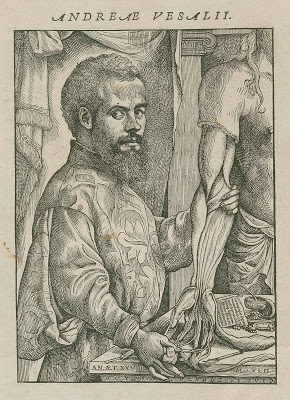
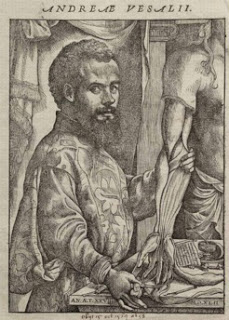
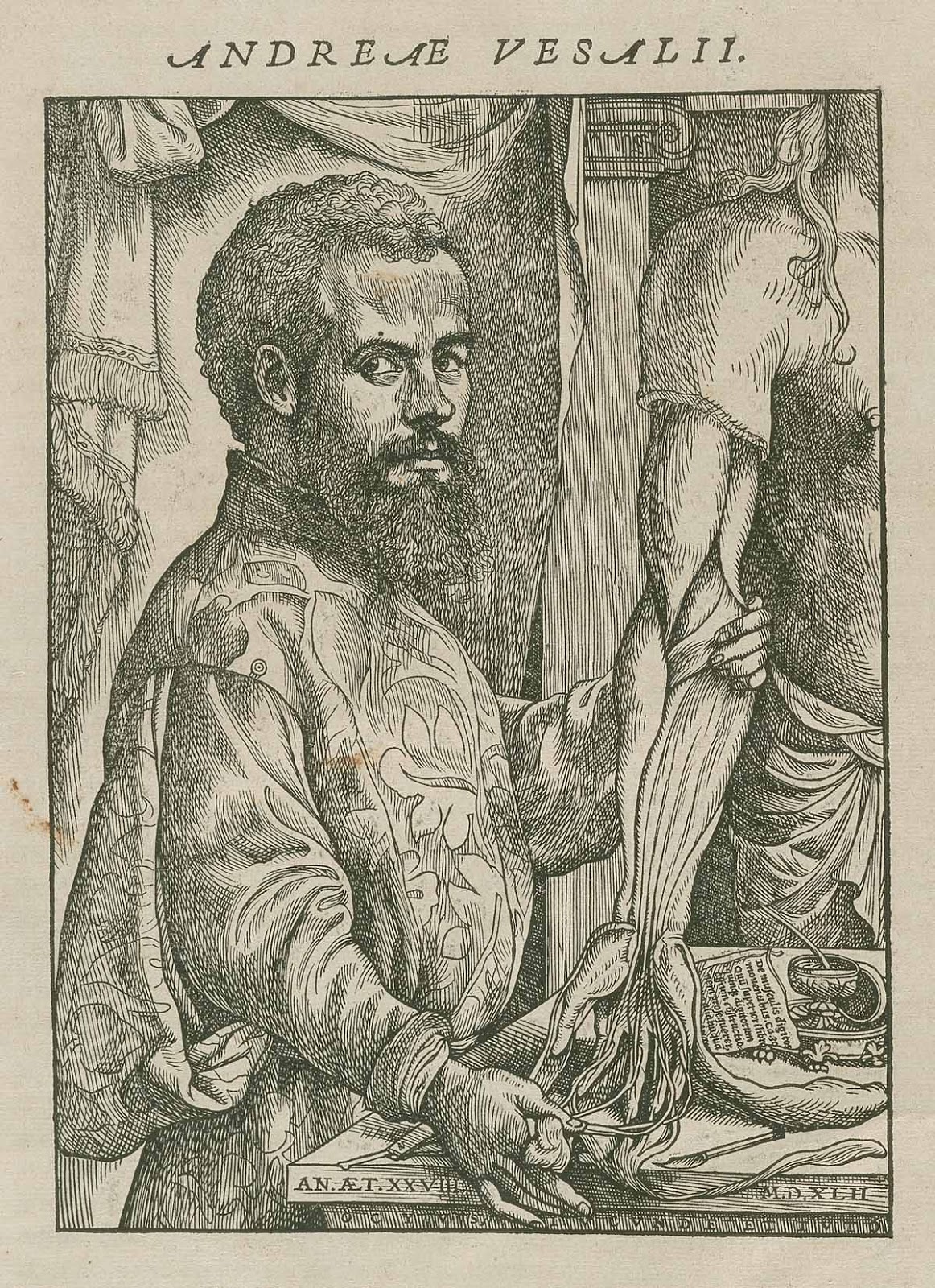
2014 will mark the 500th anniversary of the birth of anatomist Andreas Vesalius. Vesalius, [...]






.jpg)

.jpg)



This editorial illustration was created for a September 2013 cover of American Family Physician. The image summarizes Otitis Media, infection of the middle ear. Although several subtypes of otitis media are distinguished, the term is often used synonymously with acute otitis media. It is very common in childhood. An integral symptom of acute otitis media […]
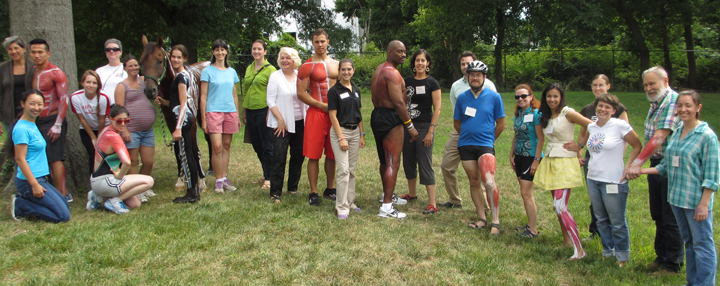
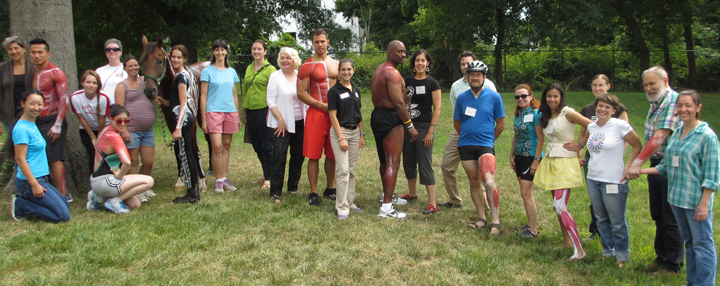
Athletes, physical therapists and medical illustrators at the National Museum of Health and Medicine in Silver Spring outside of Was [...]
Group picture of the participants in Anatomy of Sports day 2013. Medical illustrators, athletes and physical therapists. Athletes, physical therapists and medical illustrators at the National Museum of Health and Medicine in Silver Spring outside of Washington, DC. Planning out and sketching muscles on lower leg. Athlete for running couldn't make it last minute so we had a gracious volunteer jump in to fill the void. We are highlighting the muscles involved in running so that [...]
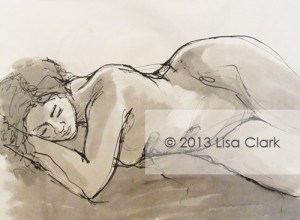
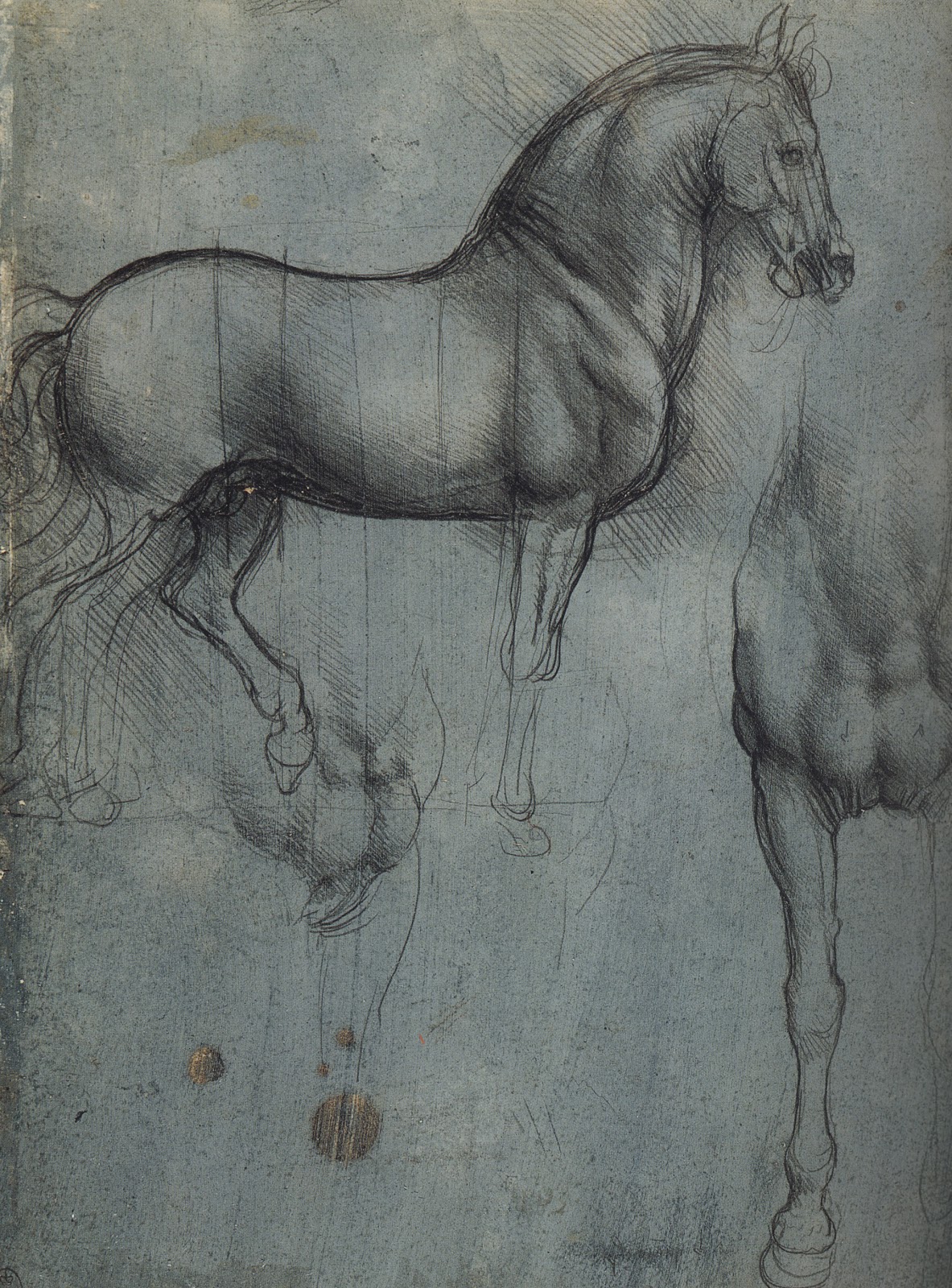
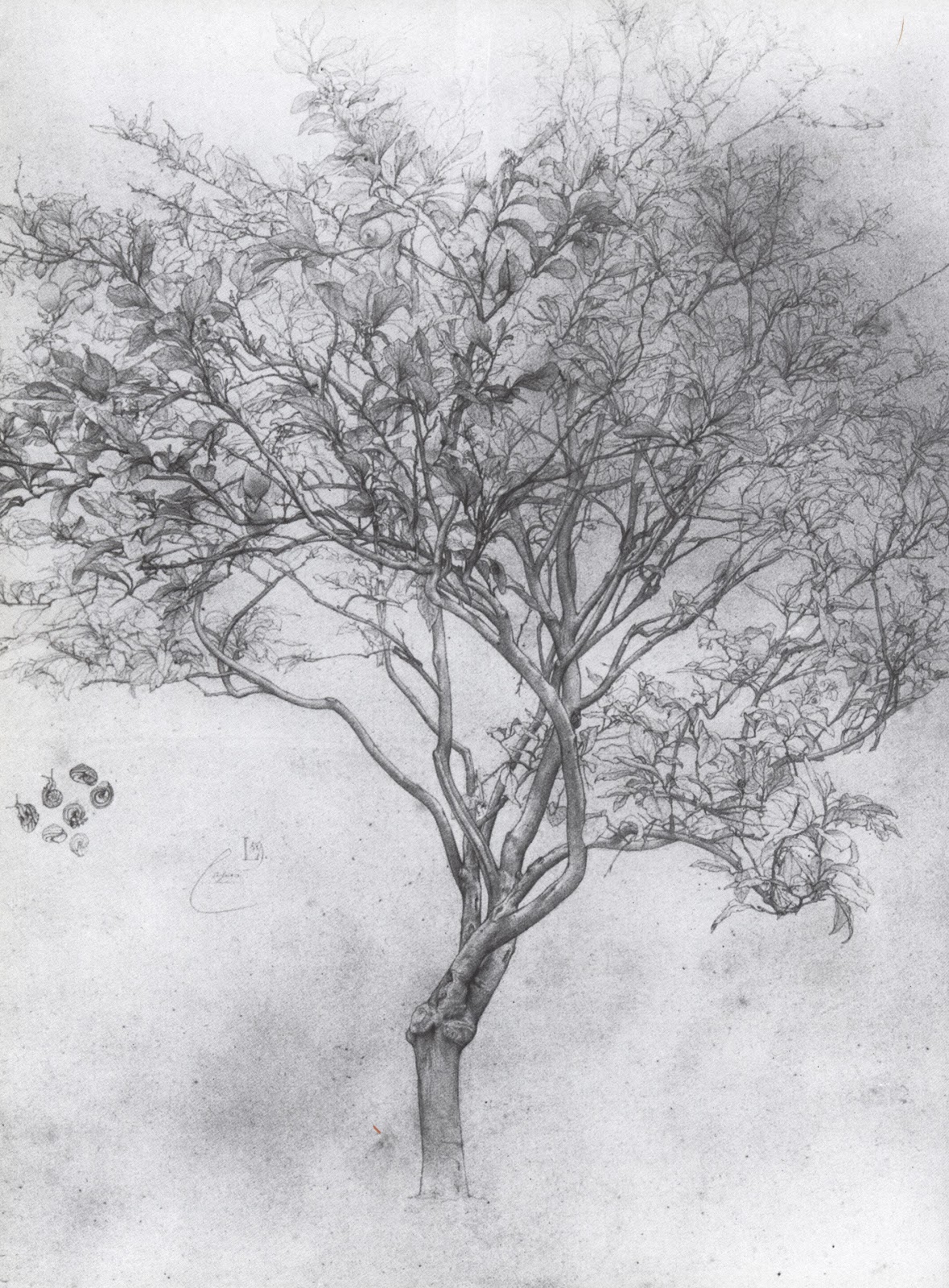
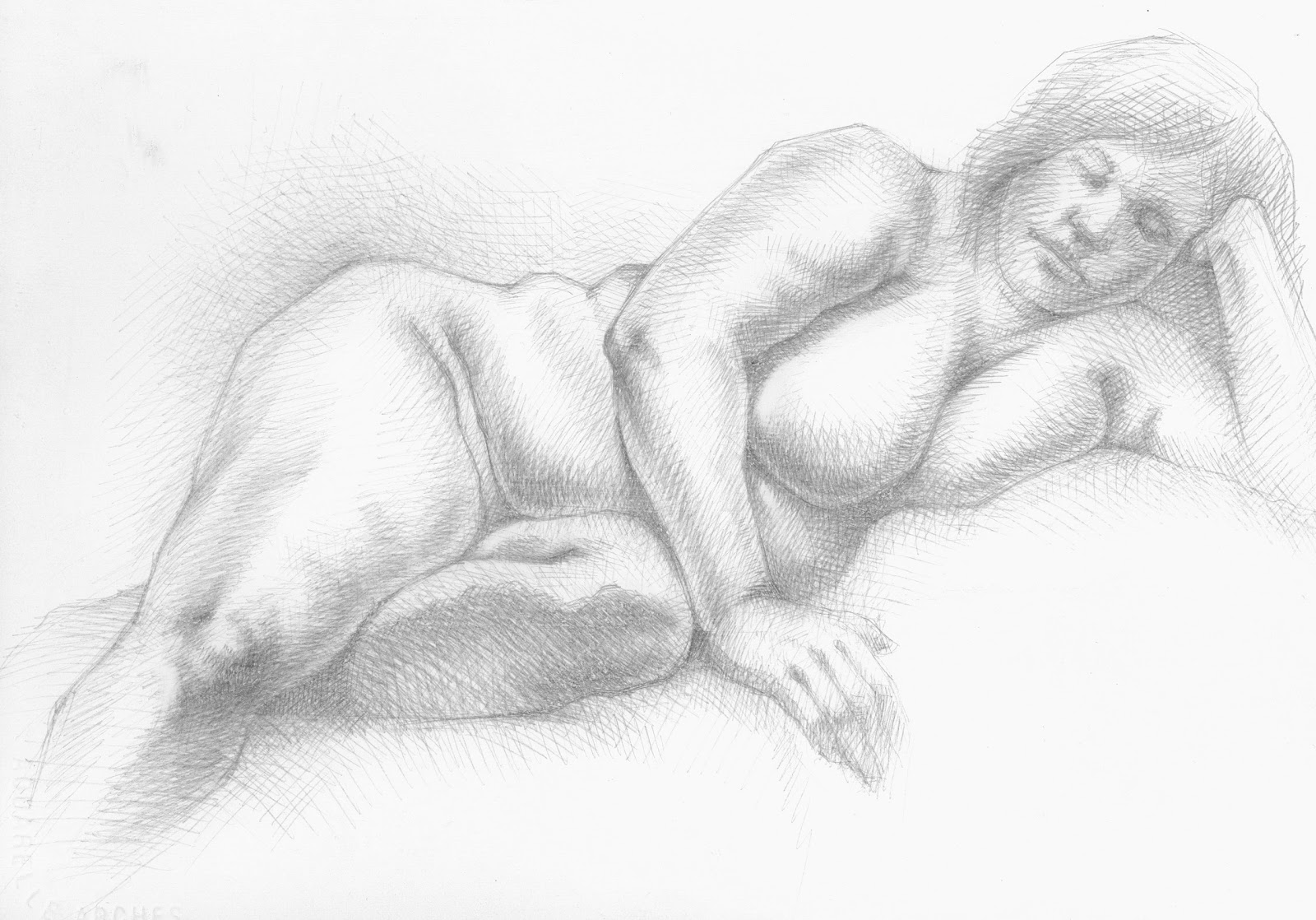
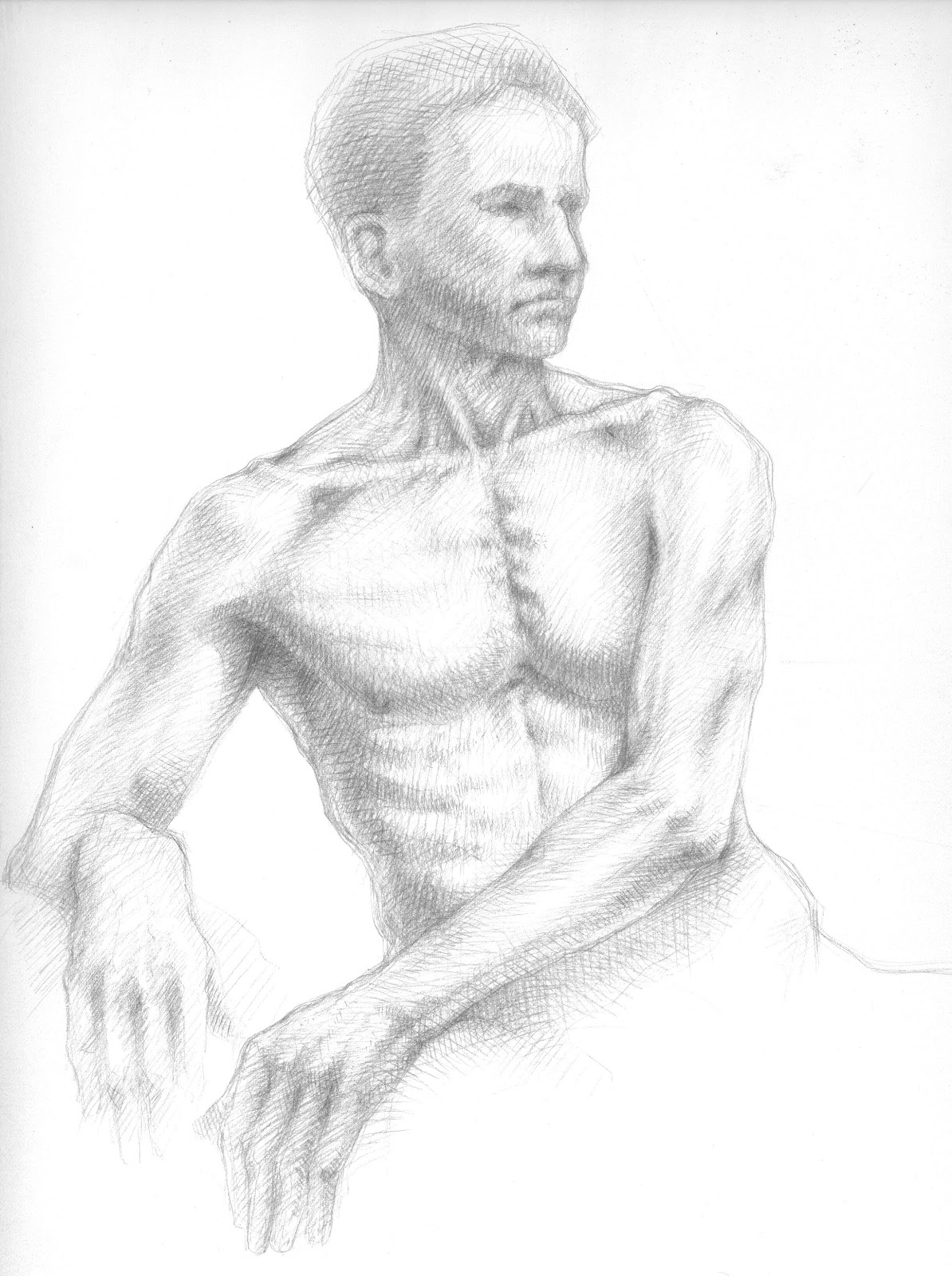
I began an office purge today and found some old figure drawings that reminded me why I started drawing in the first place. Almost everything I do now is fairly neat and tidy. Diagrammatic. Instructional. Careful. Exact. I had almost forgotten how much fun it was to be […]
The post The Office Purge appeared first on Clark Medical Illustration.
I began a purge of the office today and found some old figure drawings that reminded me why I started drawing in the first place. Almost everything I do now is fairly neat and tidy. Diagrammatic. Instructional. Careful. Exact. I had almost forgotten how much fun it was to be loose with ink and charcoal. Those [...]
Seeing is believing…or more importantly, understanding. The saying is never truer than when the content that you have to believe in, or understand, involves complex, scientific processes that, in real life, you could never see with the naked eye. Not only would those processes be nearly impossible for the average person to see (barring state-of-the-art imaging technology such as electron microscopes), but, if by some chance you could actually see them, it would also be very difficult to interpret what they were doing.
Such is often the problem in the biotechnology and pharmacology industries, whose researchers are working on innovative new drugs, cures, and instrumentation that operate on the cellular level. The right content specialist can play a vital role in ensuring that these clients do not miss their ZMOT.
When the client’s message involves proving to the FDA that their product should be approved, or to a prospective investor that they are not taking too great a risk, that ZMOT could make the difference between life and death for a company. So, when that message also involves a microscopic process that neither investor nor FDA official can see or understand, they need something more than a written explanation. They need a clear, visual story to explain the complexities of that process. Here is where 3D imagery can play an important role.
The right content specialist in such a case can, not only illustrate or animate the process, but can also translate the information into a language of visuals that the audience crucial to the ZMOT can understand. There is a very specialized field made up of medically and scientifically trained illustrators and animators that create visuals such as these every day. They are Biomedical Visual Communicators, more commonly known as Medical Illustrators. Having spent several years studying alongside medical students to learn the fundamentals of science, medicine, and anatomy these specialists are trained to help biotechnologists, pharmacologists, and physicians to communicate their message in the clearest way possible, using 3D imagery, traditional illustrations and animations.
Every day, millions of people treat their medical conditions by taking medications to alleviate symptoms or use internal devices to regulate conditions such as Parkinson’s disease. In many cases, those treatments are available on the market today because a biomedical visual communicator worked very closely with the companies developing them, creating imagery that illustrates exactly how that treatment affects the body.
Medications as common as acetaminophen or ibuprofen work at very specific cellular sites in the body, prompting cascades of effects that need to be understood in order for those medications to be deemed safe. Even external treatments such as radio-frequency therapy used to treat sports injuries trigger cascades of metabolic processes that must be evaluated before they can be released into the market. A biomedical illustrator can help clarify these mechanisms of action, speeding up the process of approval and bringing these treatments more readily to the market by assuring that the information—the content—is clear at that ZMOT.
About the Author
Myriam Kirkman-Oh
Guest Blogger & M.S. Medical Illustration
Myriam Kirkman-Oh is a medical illustrator and animator in the Bay Area. She is co-owner of KO Studios Medical Animation and Illustration, a company that produces award winning, high-end images in all media for the Biotechnology, Pharmacology, and Healthcare industries, among others. KO Studios can be found by visiting www.kostudios.com.



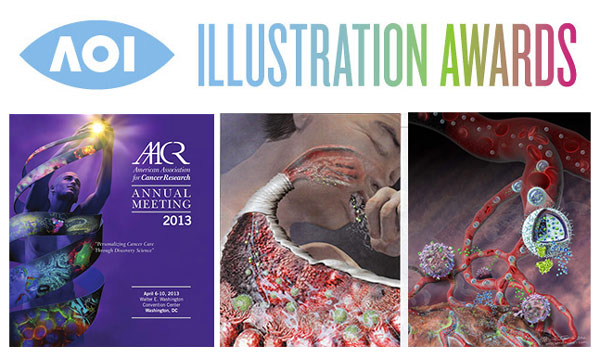
I’m pleased–and surprised and humbled–to announce that my artwork created for Dr. Tarek Fahmy’s laboratory and the National Science Foundation won in the Research & Knowledge category of the 2013 AOI illustration awards. www.aoiimages.com From the AOI: Visual showcase for recently published … Continue reading →
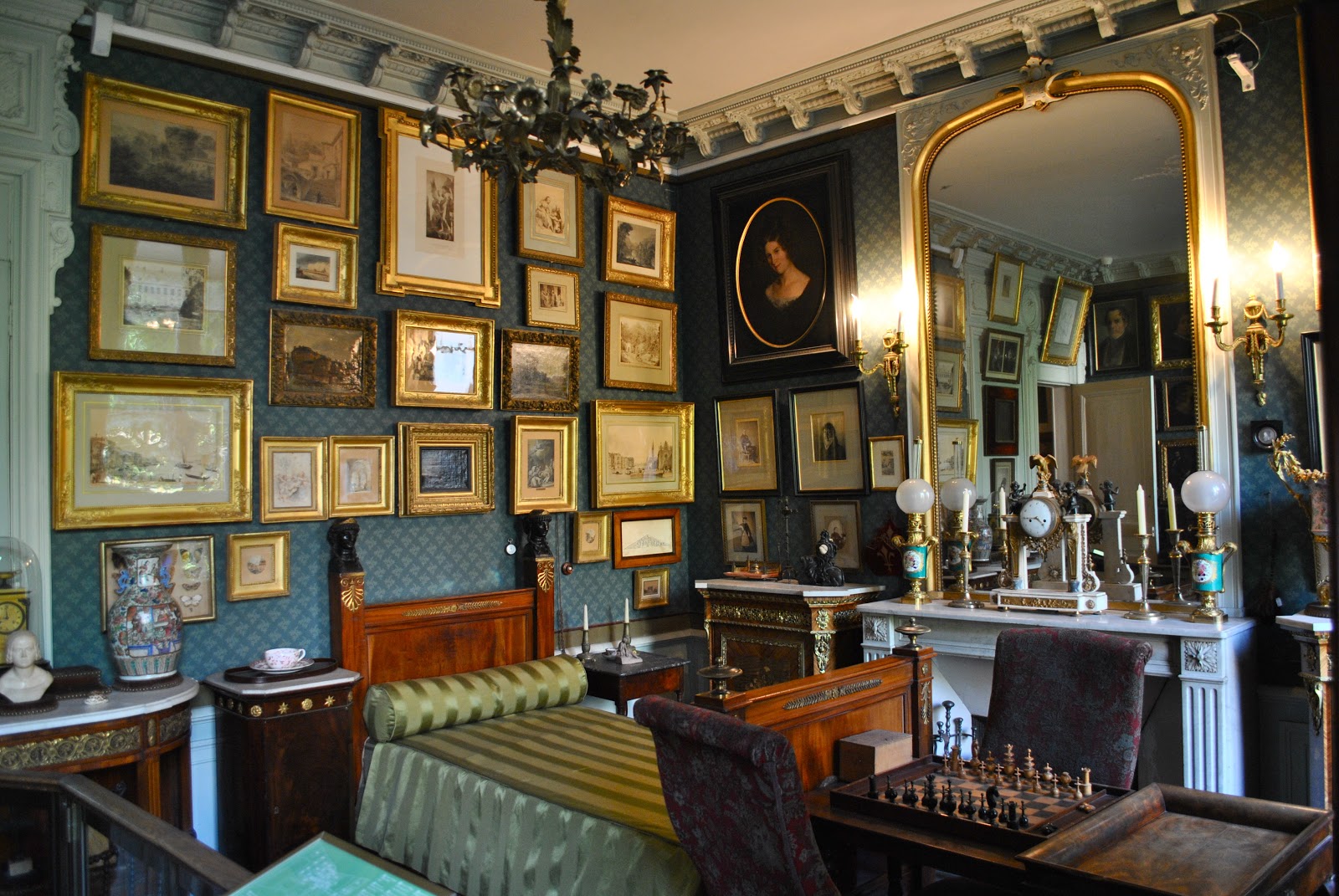
In March I had the occasion to visit the home and studio of French Symbolist painter Gustave Moreau (1826-1898), now the Gustave Moreau National Museum and open to the public. Located in the 9tharrondissement of Paris, on a residential street, is this wondrous artists’ home.

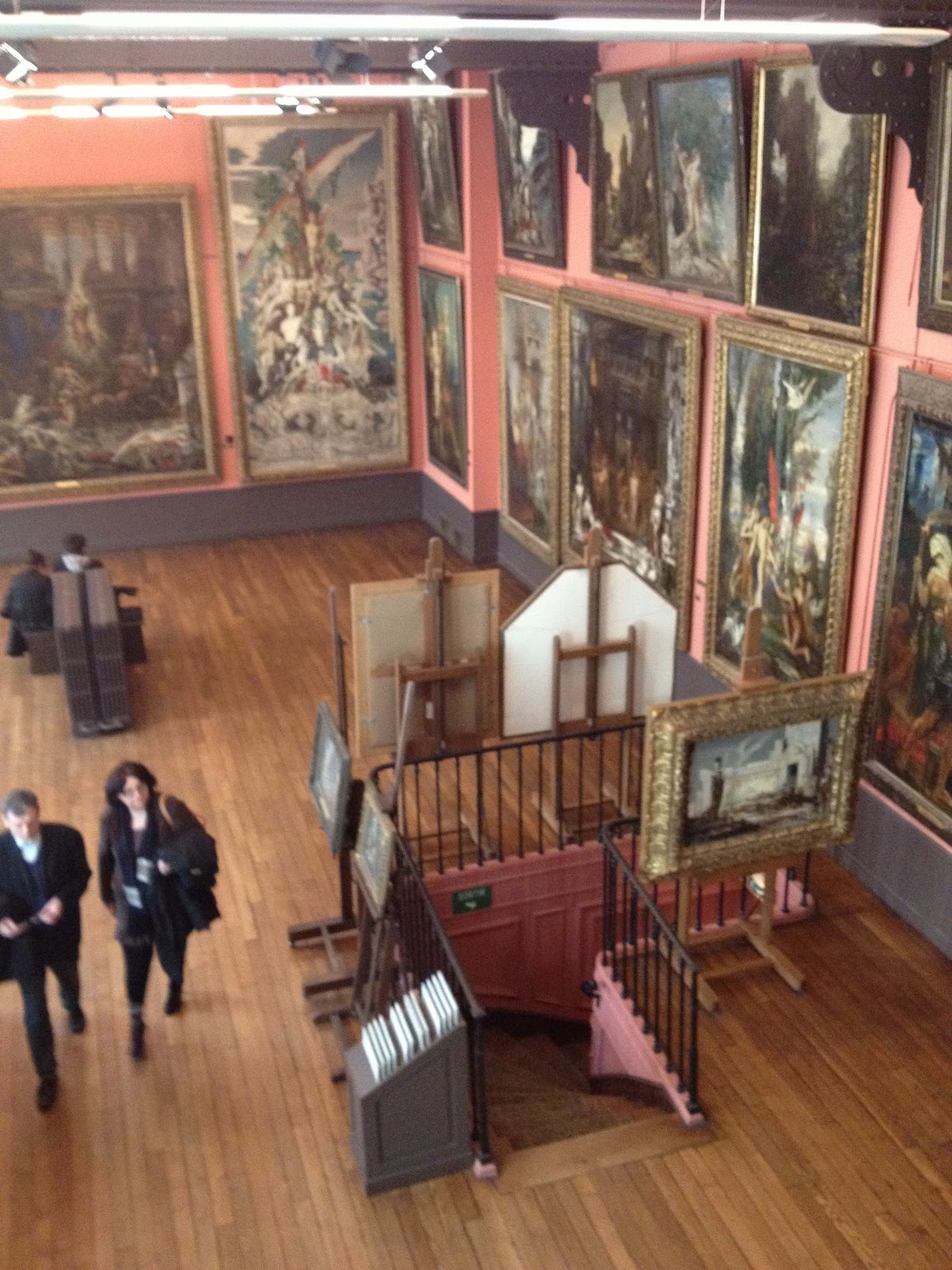


All photographs by Marie Dauenheimer.
Us science artists don’t get no respect… at least that’s what I thought until now. When I heard that the AOI (Association of Illustrators) added a Research & Knowledge category to their prestigious, international ‘Images’ competition, I was stoked to have … Continue reading →
MEDinART is a site created and Directed by Vaisa Hatzi, PhD as an initiative of TEDMEDLive in Athens. The main goal of MEDinART is to highlight biomedical issues through different forms of art, connect med-inspired artists, educate the general public and trigger biomedical scientists to communicate scientific issues using inspiring and innovative ways.A video created from the work of medical inspire [...]
MEDinART is a site created and Directed by Vaisa Hatzi, PhD as an initiative of TEDMEDLive in Athens. The main goal of MEDinART is to highlight biomedical issues through different forms of art, connect med-inspired artists, educate the general public and trigger biomedical scientists to communicate scientific issues using inspiring and innovative ways.A video created from the work of medical inspired artists (myself included) was used to open the TEDMED conference in Athens. I'm a big TED fan so [...]
Link to video made by Phillip Schalekamp of Squid3 Gallery in Chicago showing the art event of the same title.https://vimeo.com/63415979 [...]
Link to video made by Phillip Schalekamp of Squid3 Gallery in Chicago showing the art event of the same title.https://vimeo.com/63415979 [...]
This editorial illustration was created for a May 2013 cover of American Family Physician. The image summarizes Diverticulitis, a common digestive disease which involves the formation of pouches (diverticula) within the bowel wall. This process is known as diverticulosis, and typically occurs within the large intestine, or colon, although it can occasionally occur in the […]
The illustration posted in this example was created for the April 2013 issue of Orthopaedics feature and peer-reviewed article, Technical Trick: Simple, No-Hands Retraction for Lateral Approach to the Proximal Femur. A simple technique is described that allows the orthopaedic surgeon to perform no-hands retraction during the lateral approach to the proximal femur during fixation […]
The illustration depicted was created for the April 2013 26(4) issue of JAAPA feature article, Treatment options for major depression during the menopausal (Bobbie Posmontier, PhD, CNM, PMHNP-BC). Compared to men, women experience 1.7 times the prevalence of depression, largely because of fluctuations in reproductive hormones. Even without a prior history of depression, vulnerability to […]
This illustration was created for JAAPA, February 2013 • 26(2). The Philadelphia chromosome is formed when a piece of chromosome 9 exchanges places with a piece of chromosome 22, resulting in a balanced translocation t(9;22)(q34;q11) and the formation of an abnormal fusion gene BCR-ABL1. Chronic myeloid leukemia (CML) is a myeloproliferative neoplasm. The American Cancer […]


Central garden at Musee Carnavalet

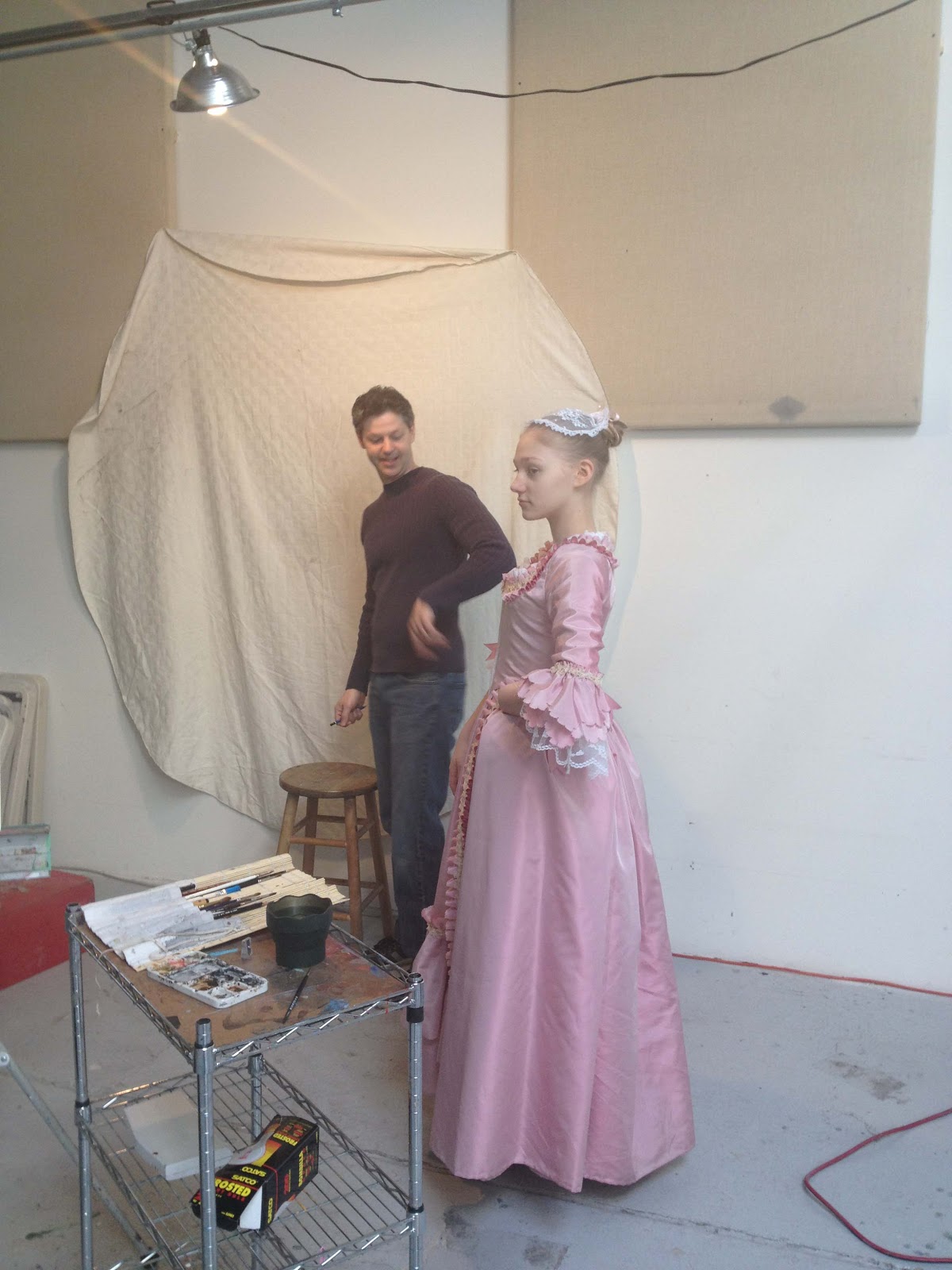
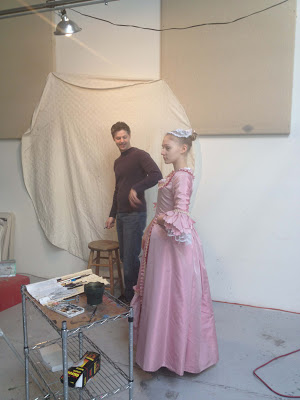
Model Lily Dunlap with Robert Liberace as he sets up the pose.


Watercolor wash painting of Lily by Robert Liberace.
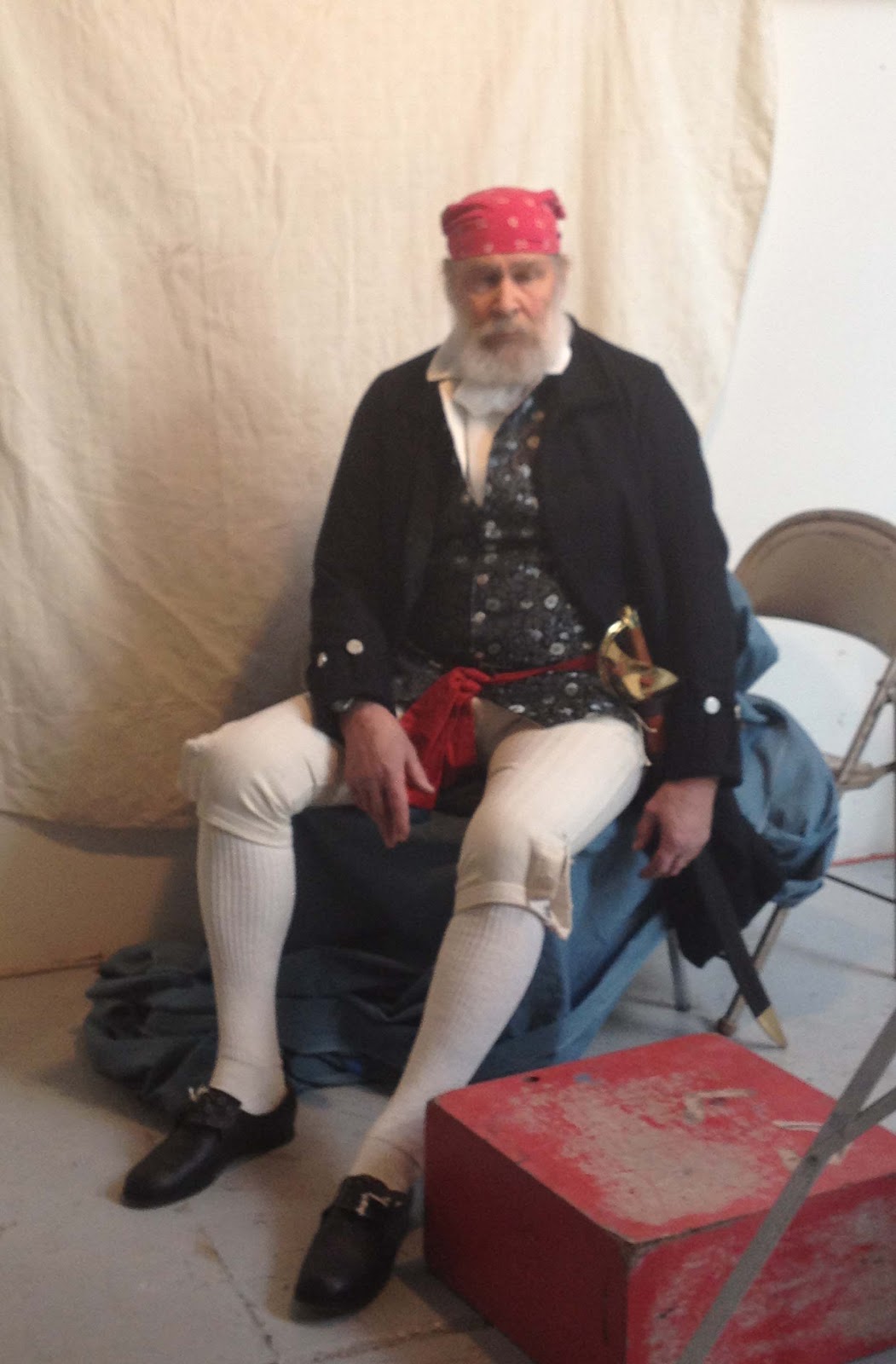
Sam Dunlap posing as a buccaneer.

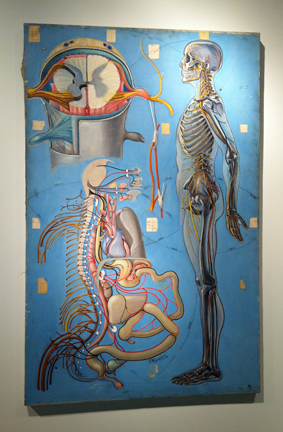
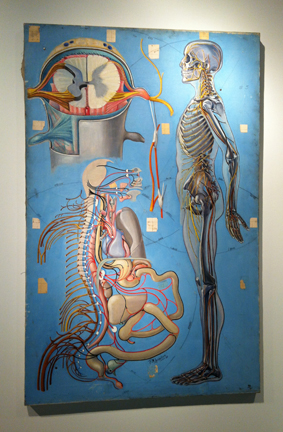
Dissecting Art, Intersecting Anatomy: Merging contemporary art with the works of Pauline Lariviere. This exhibit was organized by a small group of esteemed Chicago-based artists and entrepreneurs interested in medical art, and guest-curated by the ever fabulous Vanessa Ruiz of Street Anatomy. [...]
Dissecting Art, Intersecting Anatomy: Merging contemporary art with the works of Pauline Lariviere. This exhibit was organized by a small group of esteemed Chicago-based artists and entrepreneurs interested in medical art, and guest-curated by the ever fabulous Vanessa Ruiz of Street Anatomy."The exhibition is an homage to Pauline Lariviere (1906–1988), a French-Canadian artist whose fame came from her extensive work in medical and anatomical illustration. Lariviere had a very di [...]
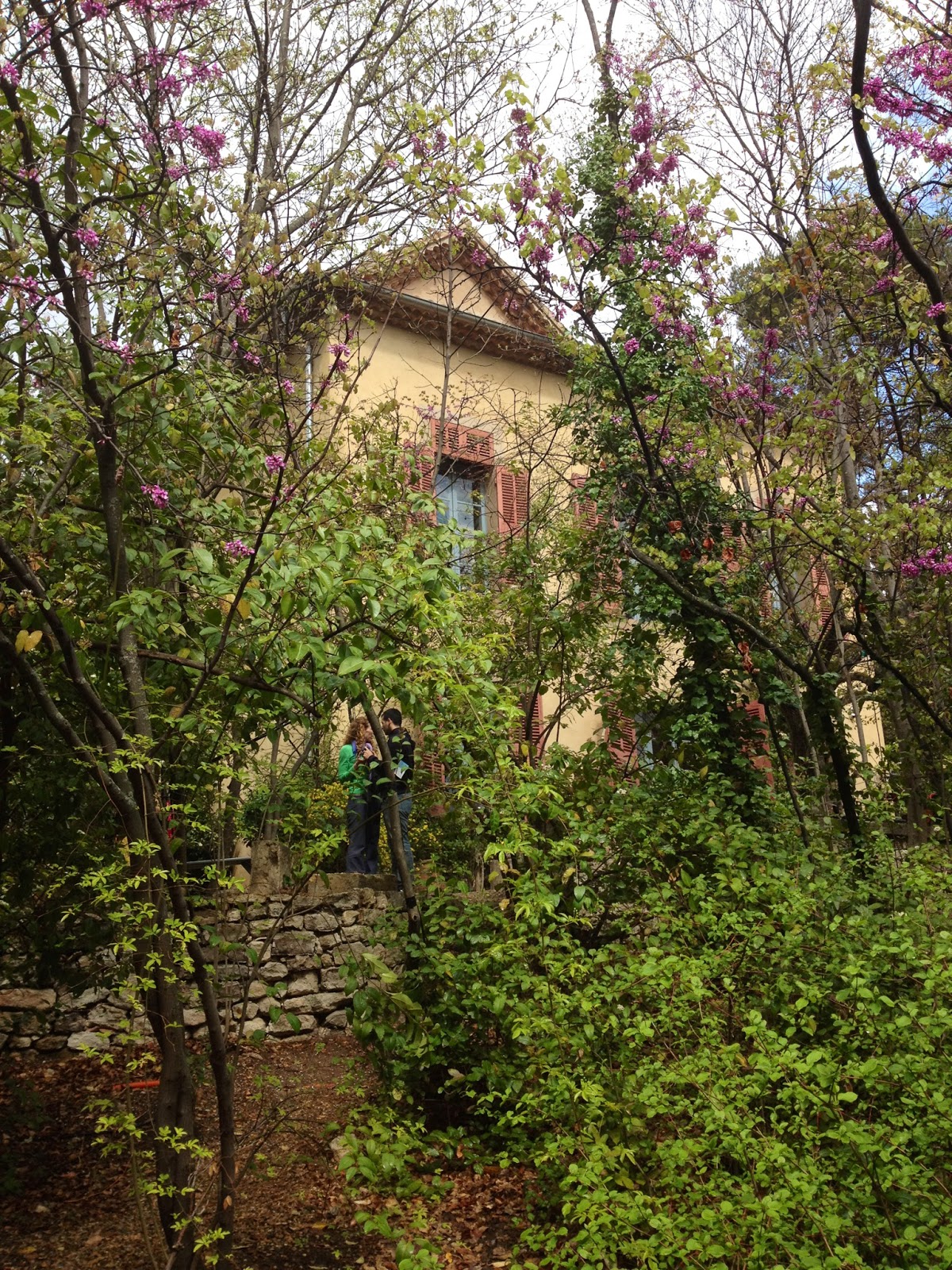
Cezanne's studio in Aix en Provence. Photo by Marie Dauenheimer.

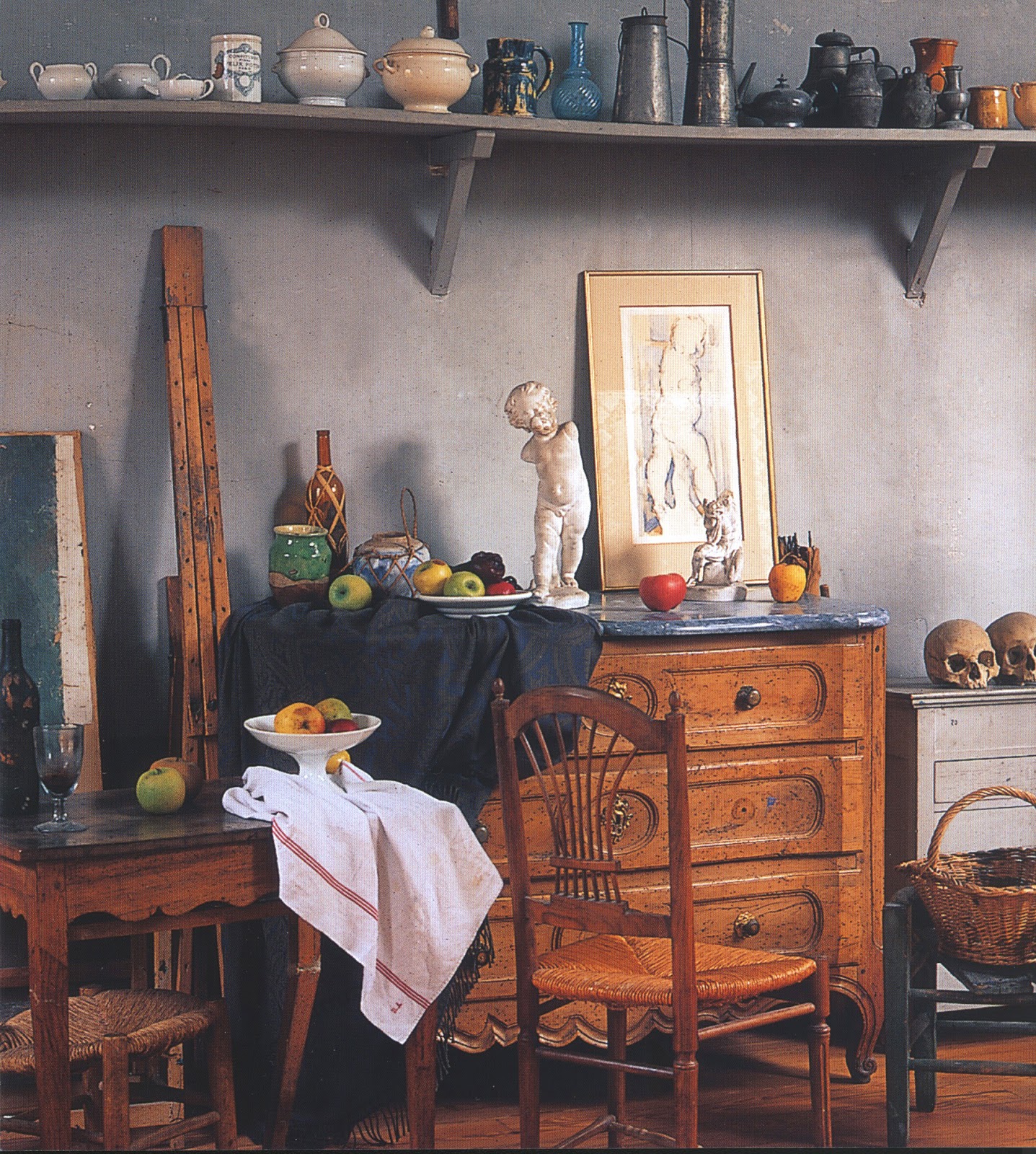
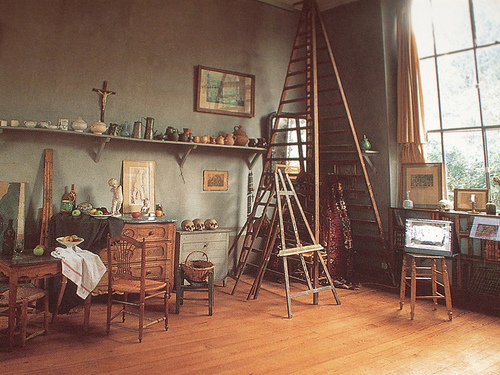
Cezanne's studio, interior view.
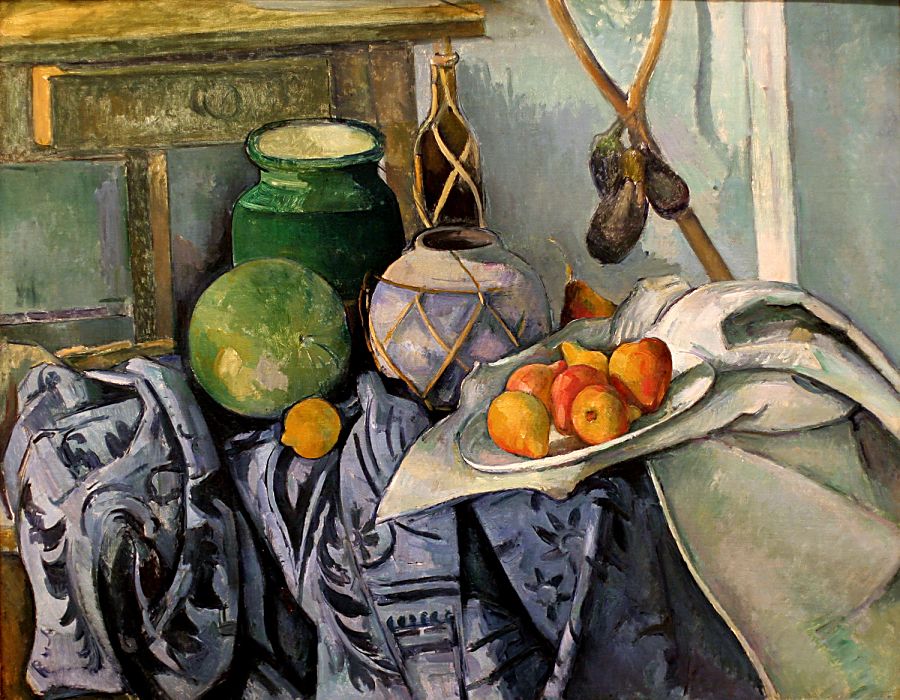


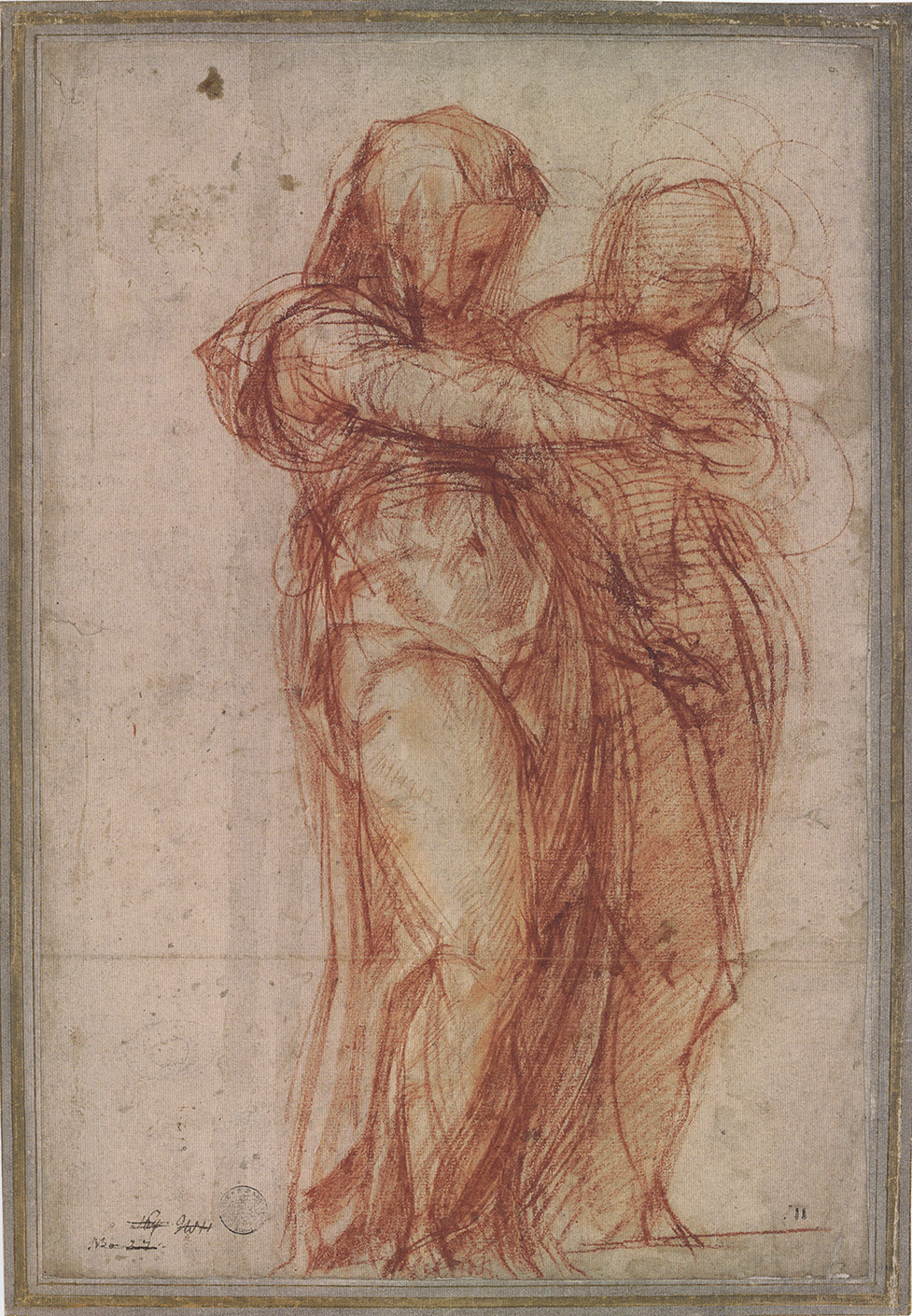
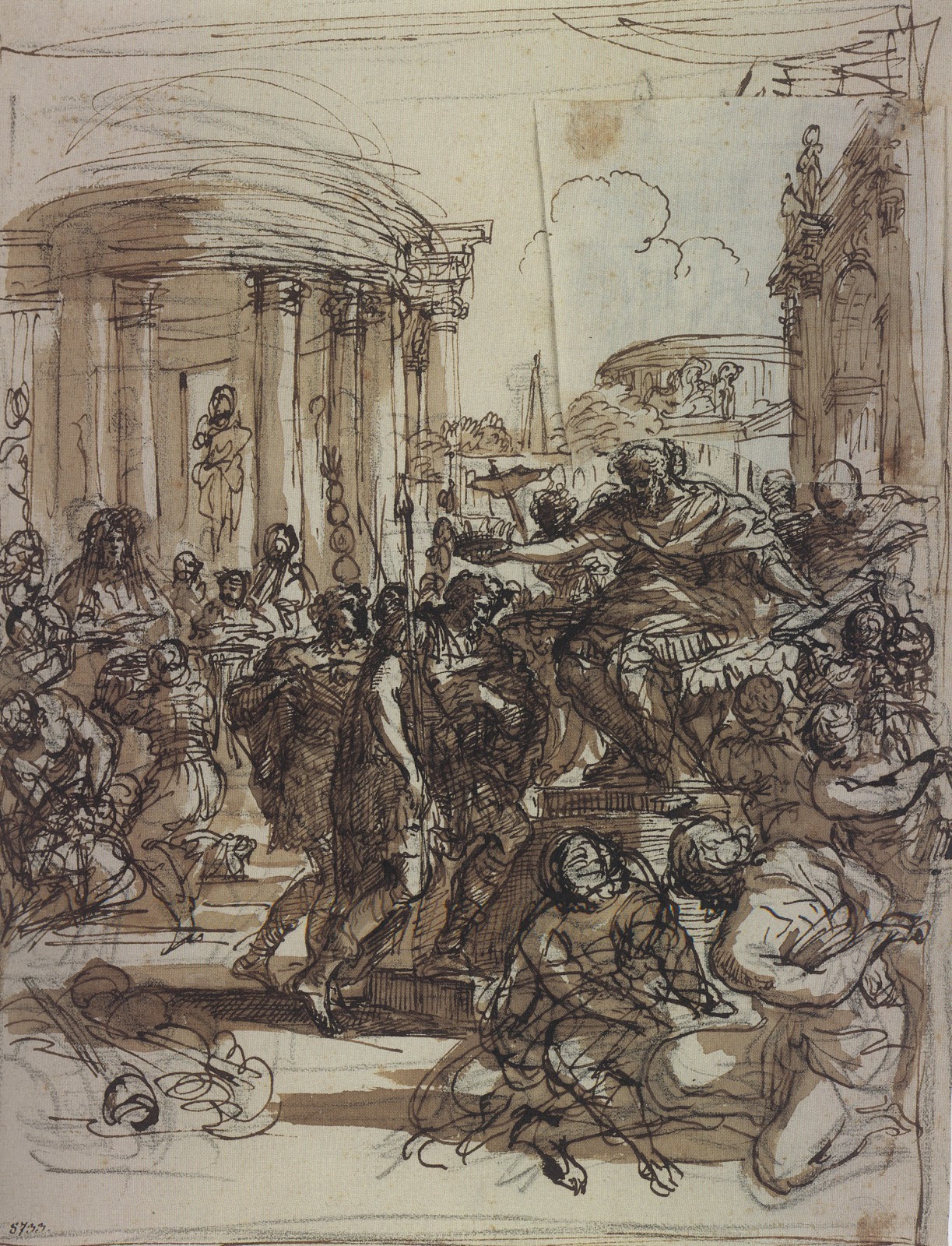
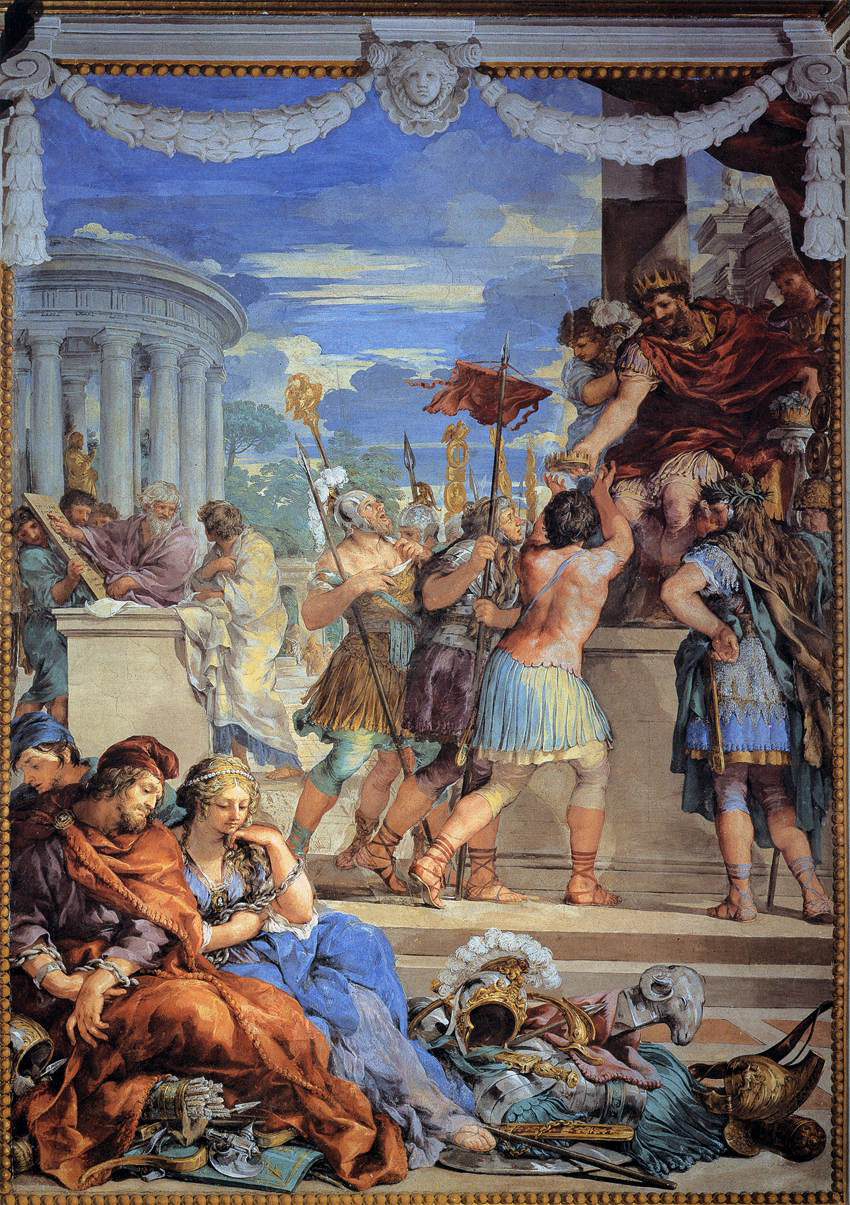
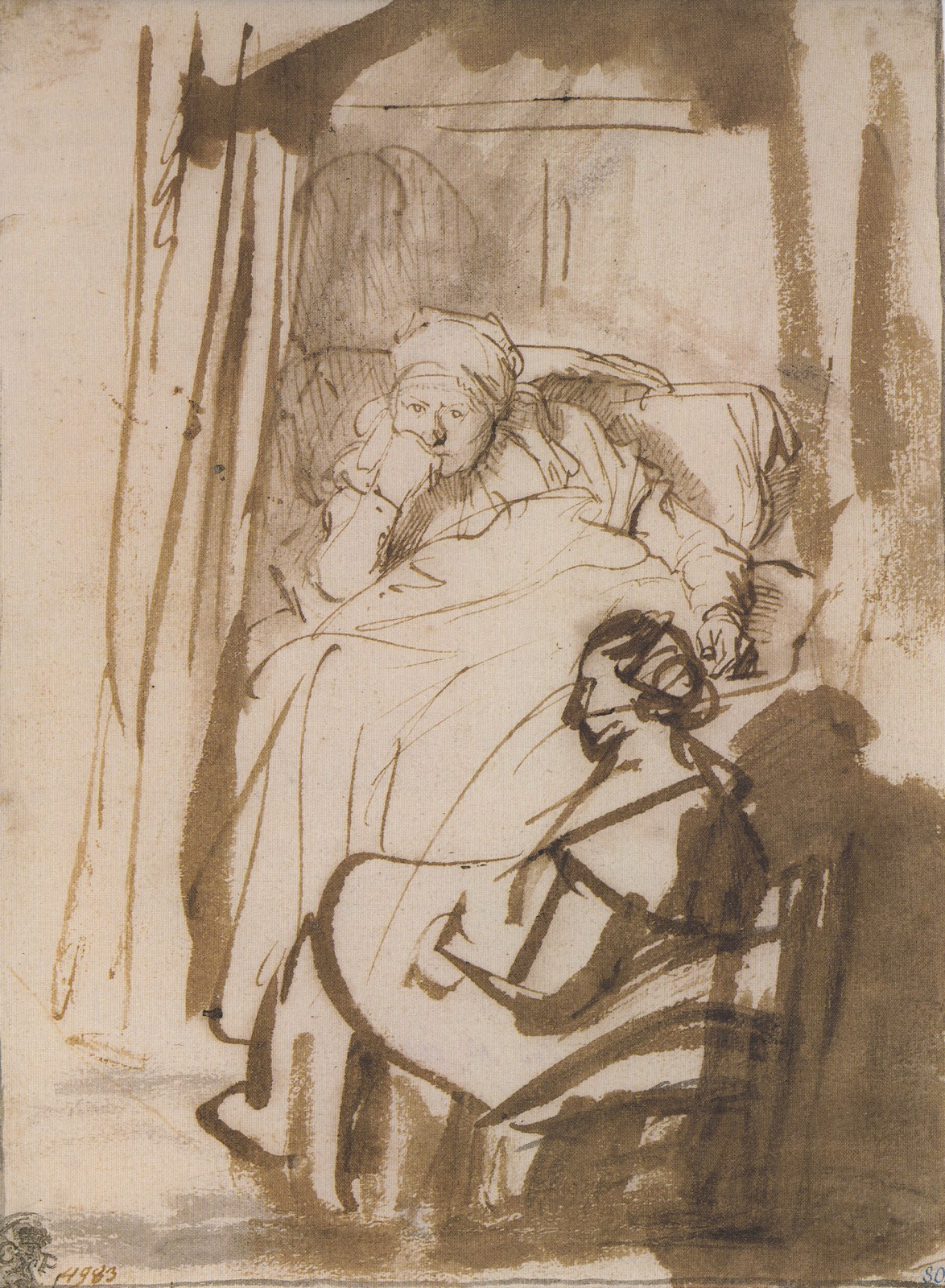

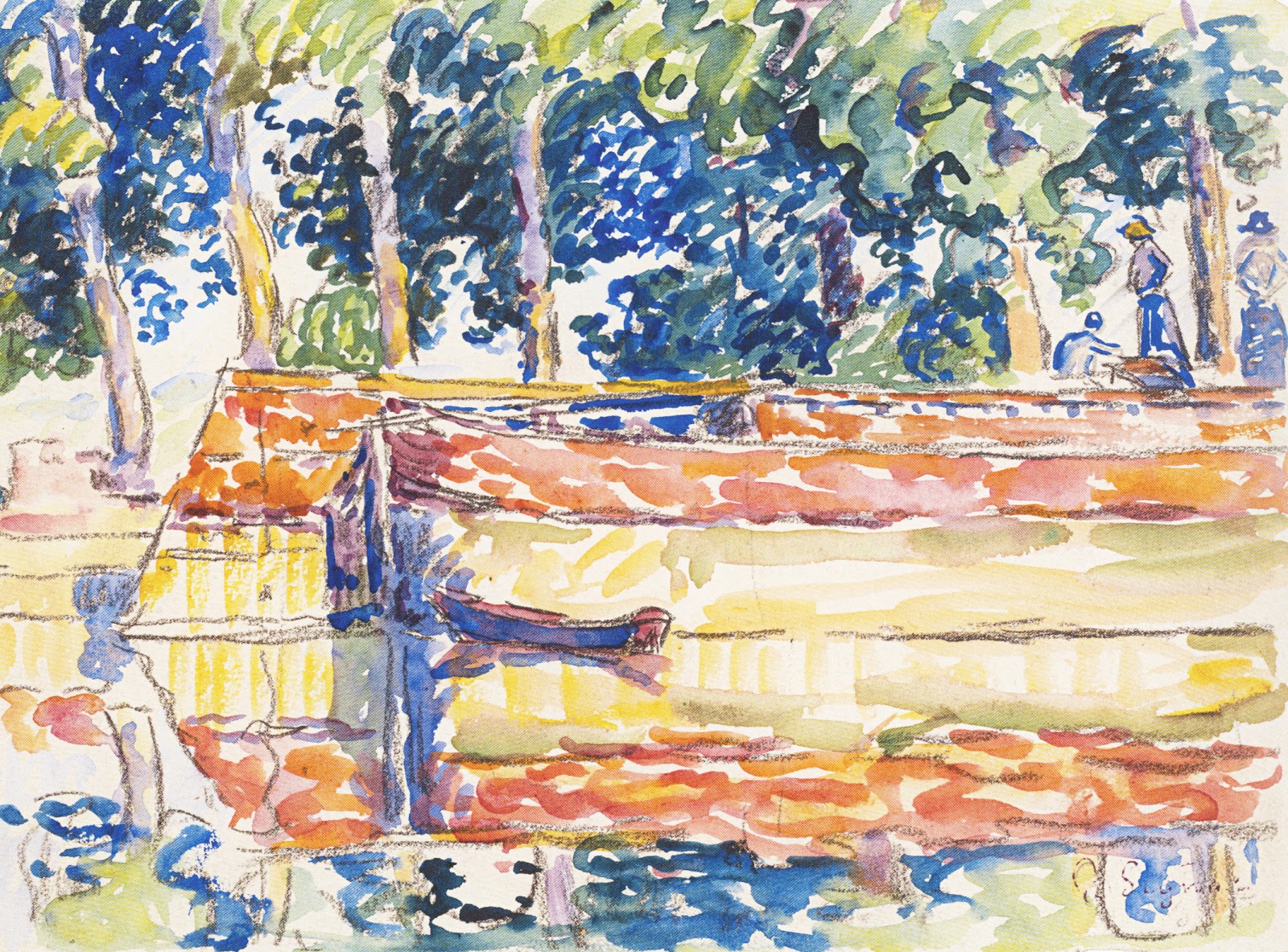

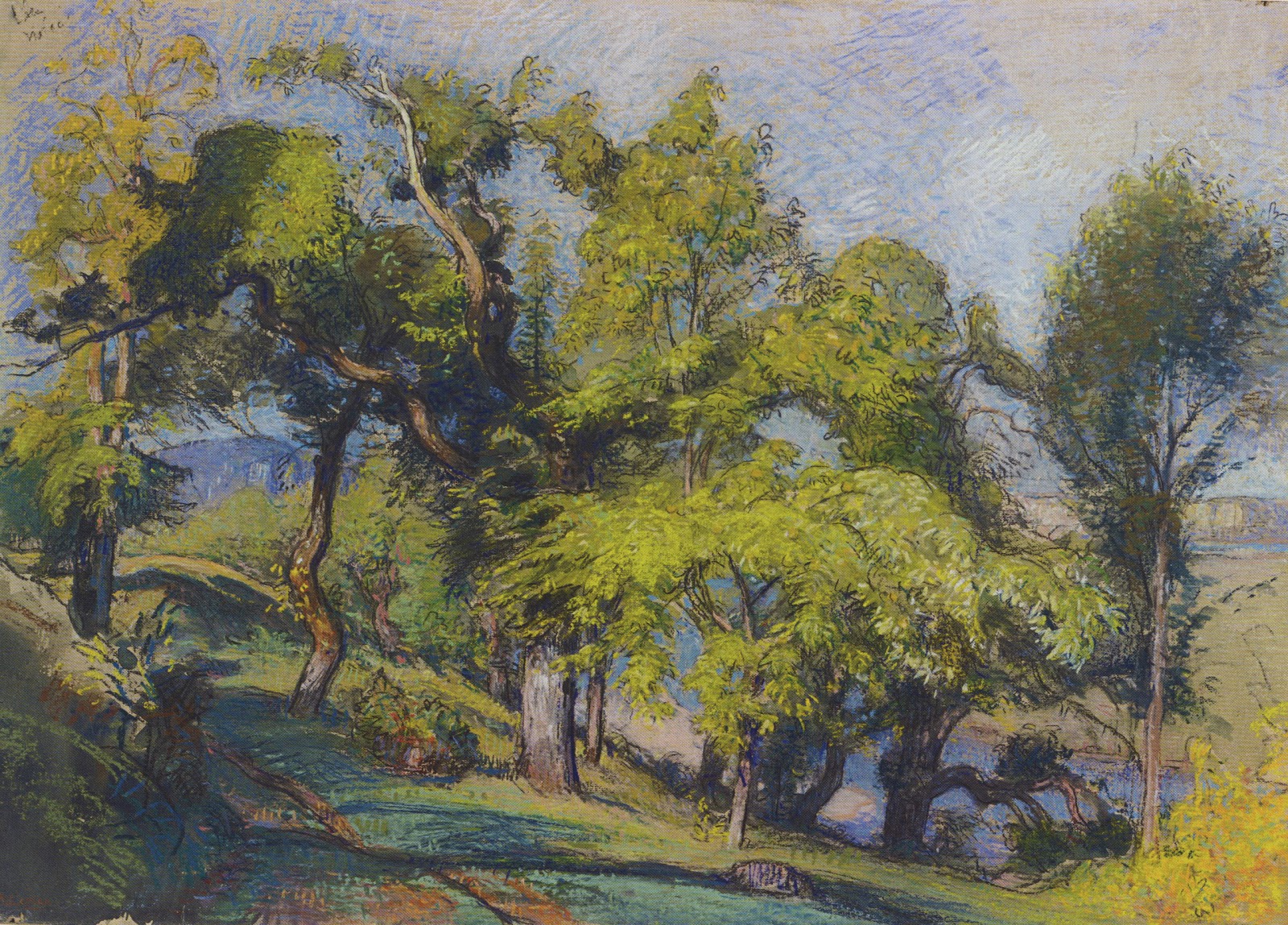
Auguste Louis Lepere, Chestnut Trees above a River, 1900, pastel.

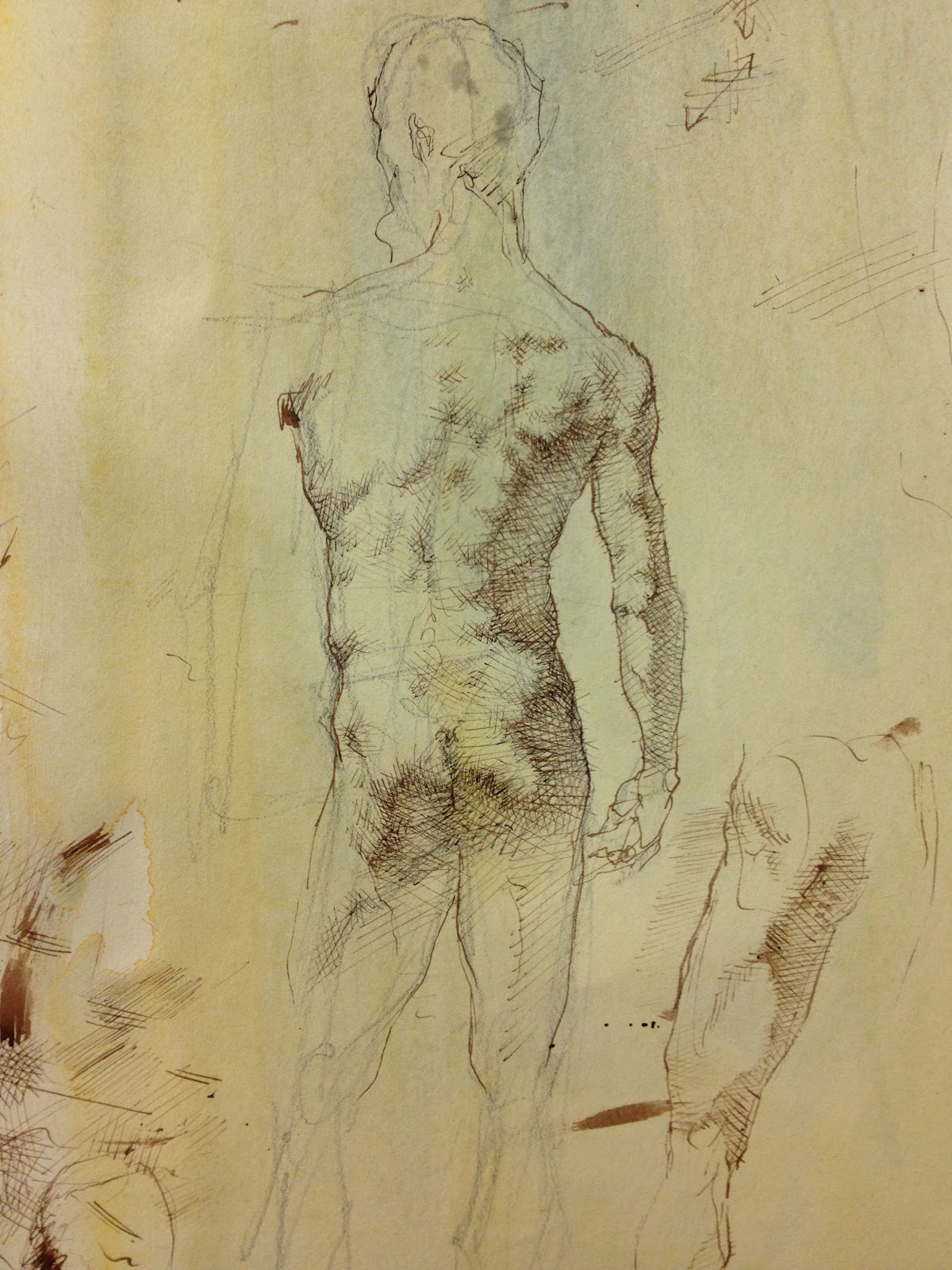
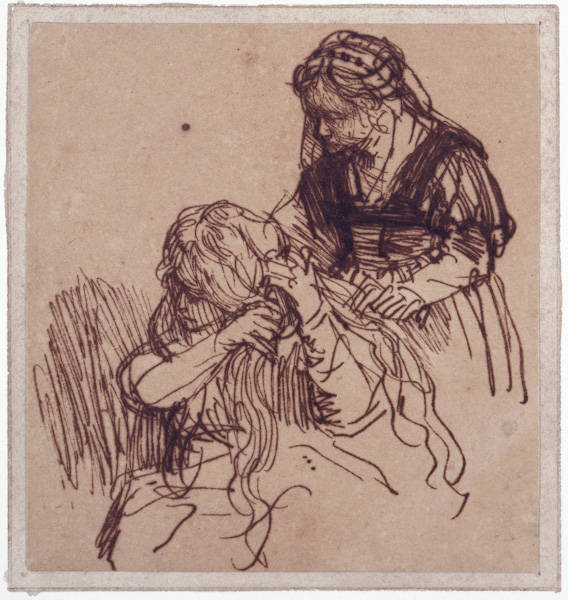


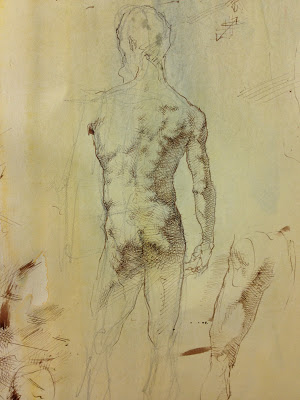
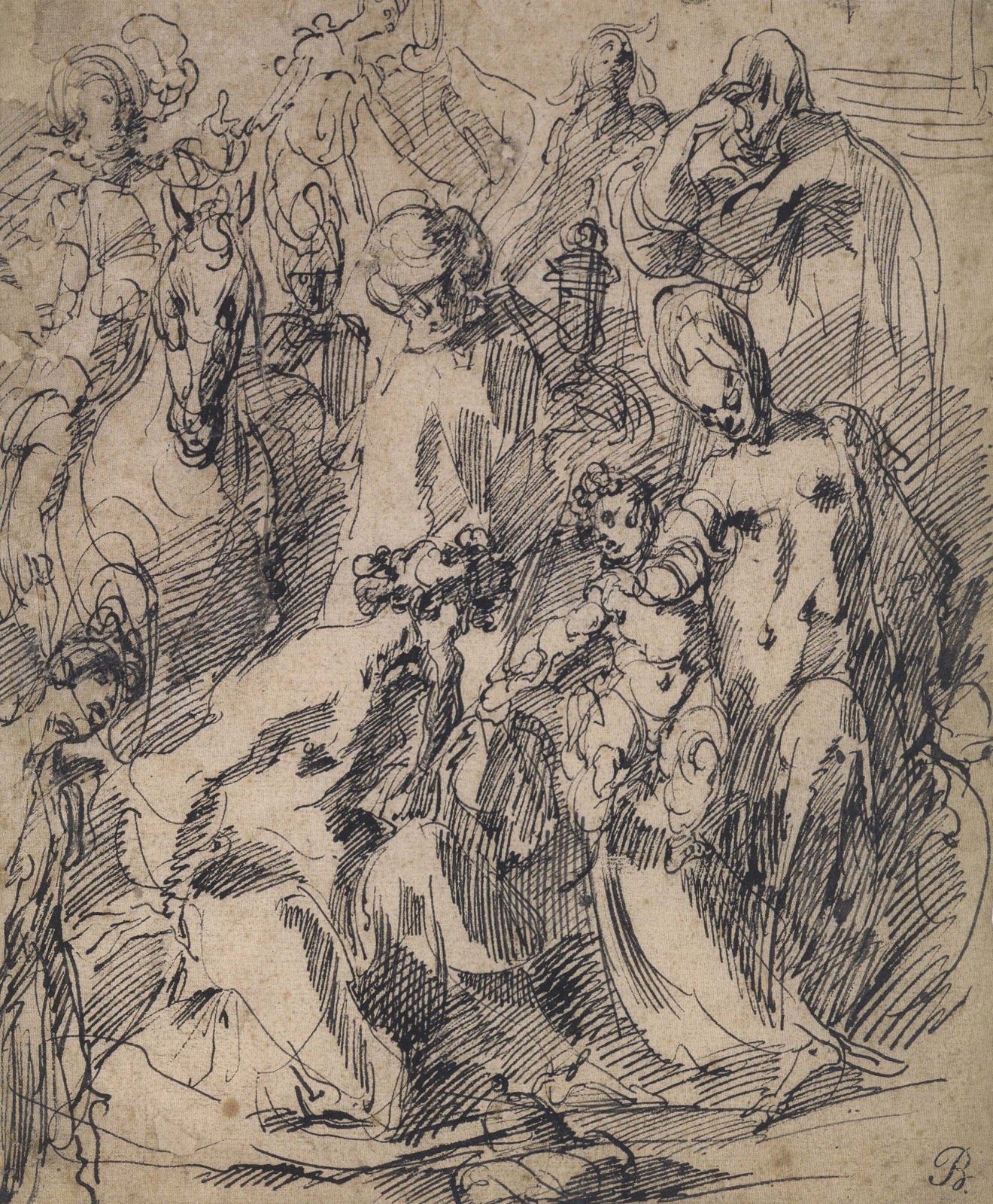
Marie Dauenheimer, Figure Study, pen and ink, 2013.


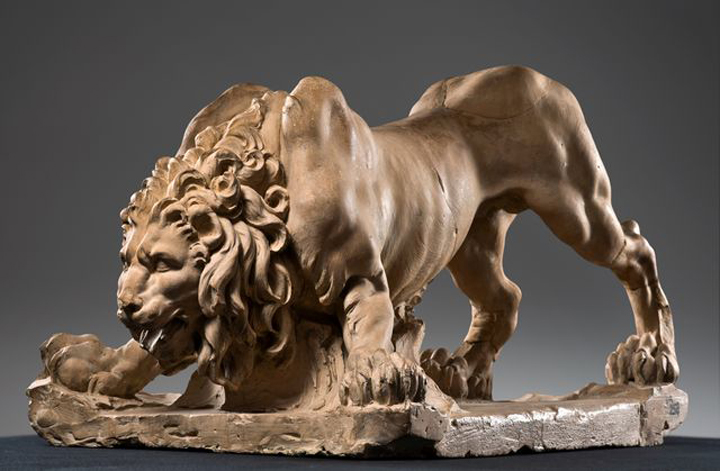
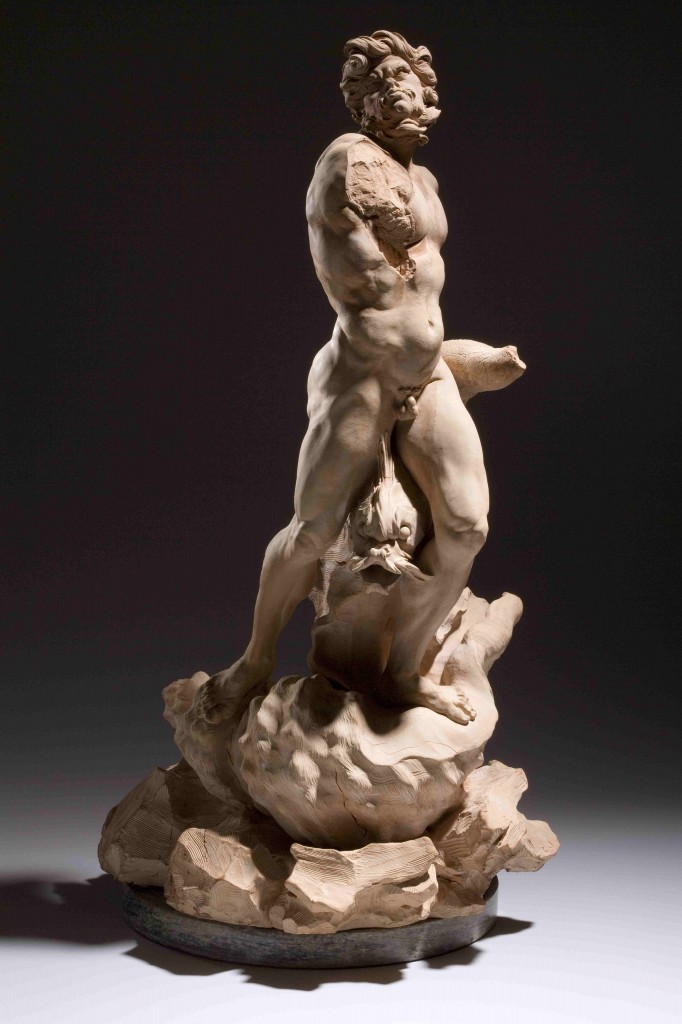
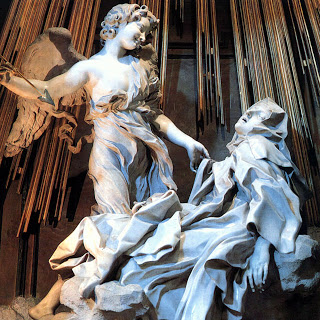
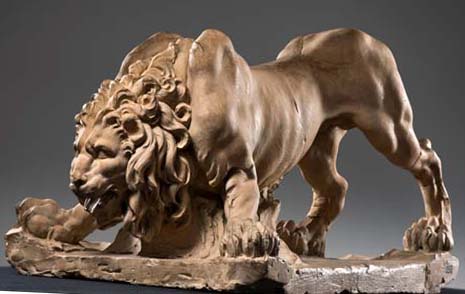
Terracotta bozetto for "Fountain of the Moor" 1653.



Fracking (otherwise known as hydraulic fracturing, the process of drilling deep into the earth for natural gas) is the hot button issue within the environmental and energy community. Supporters say it is the next great scientific development that will create … Continue reading →

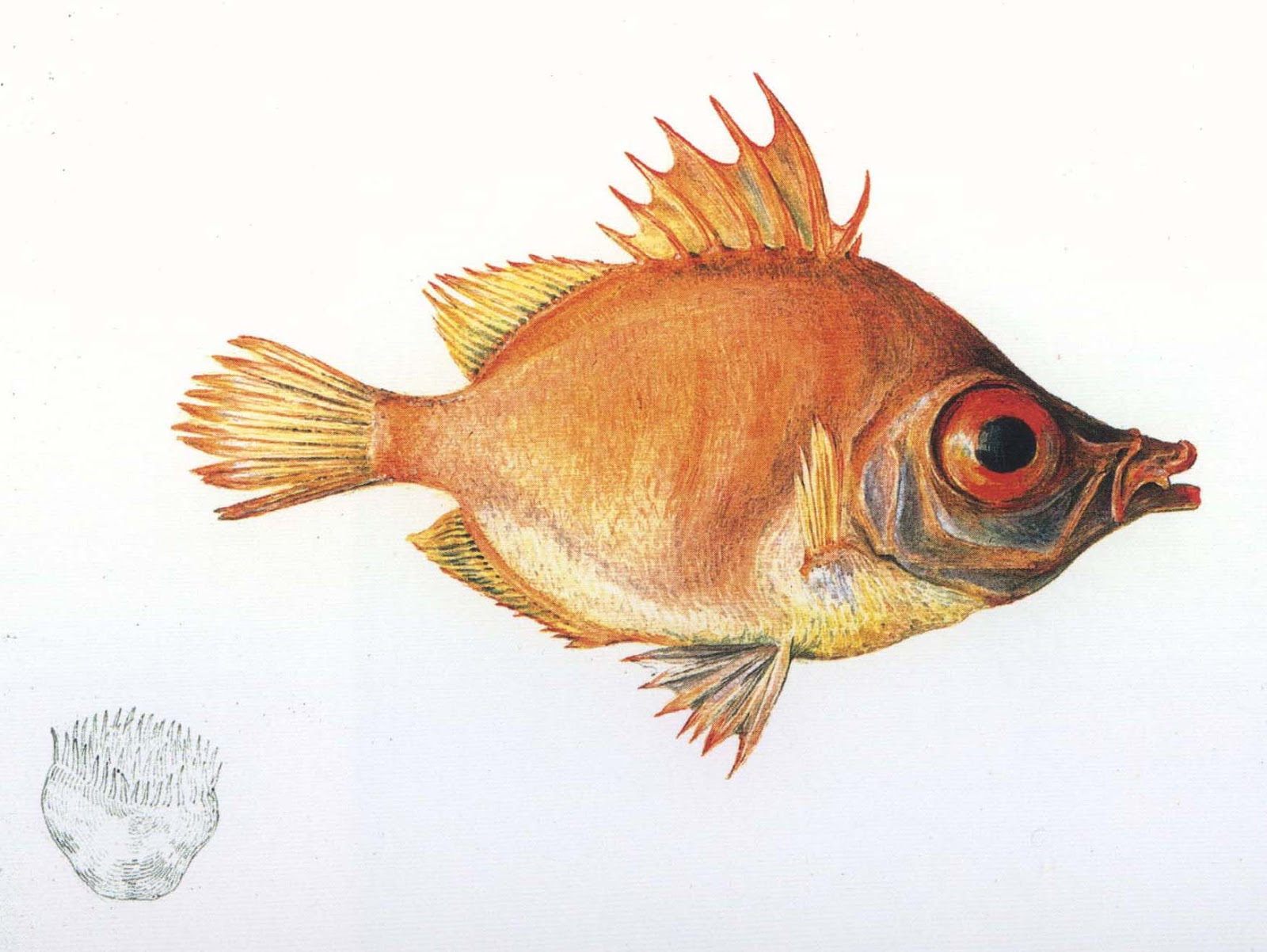
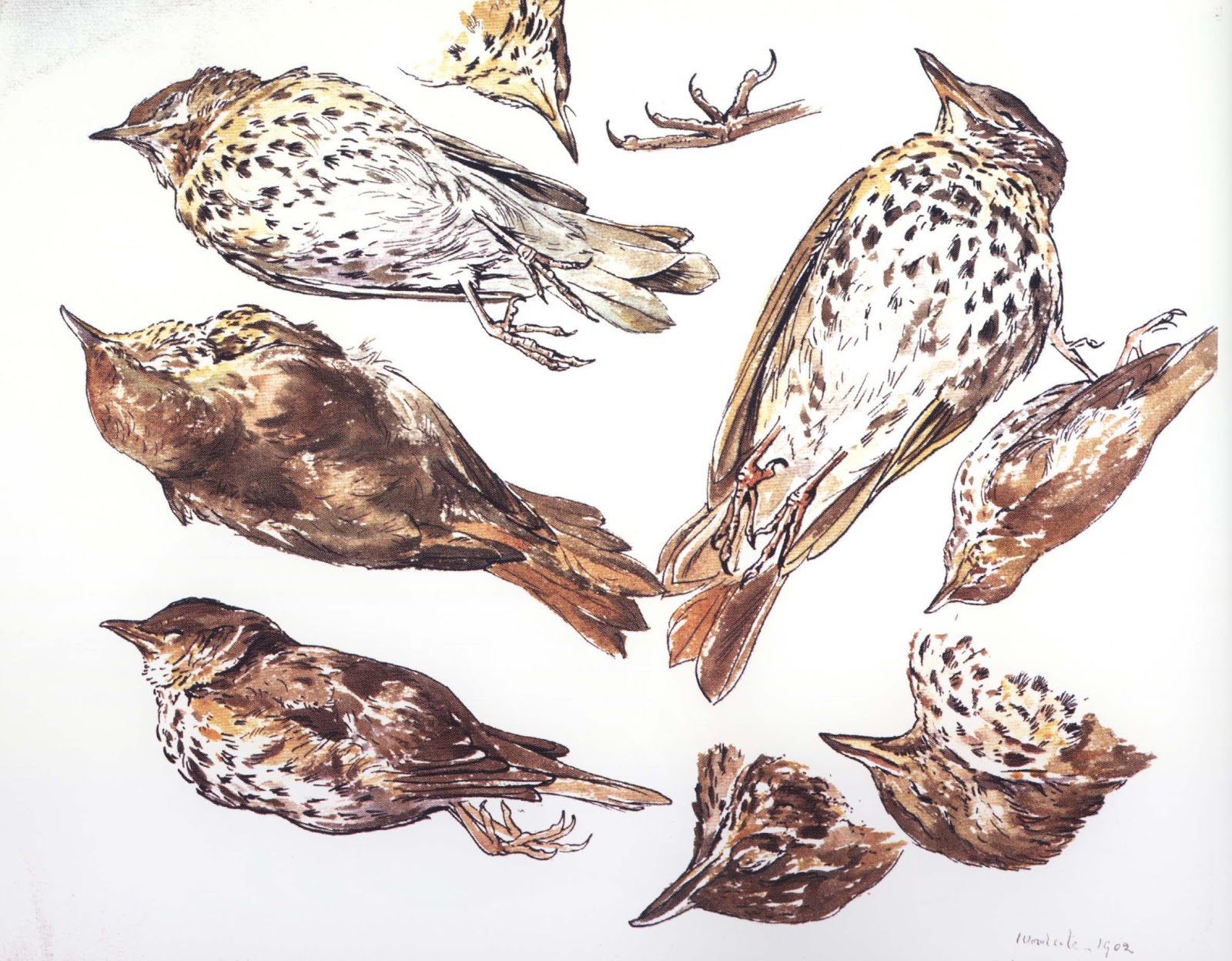
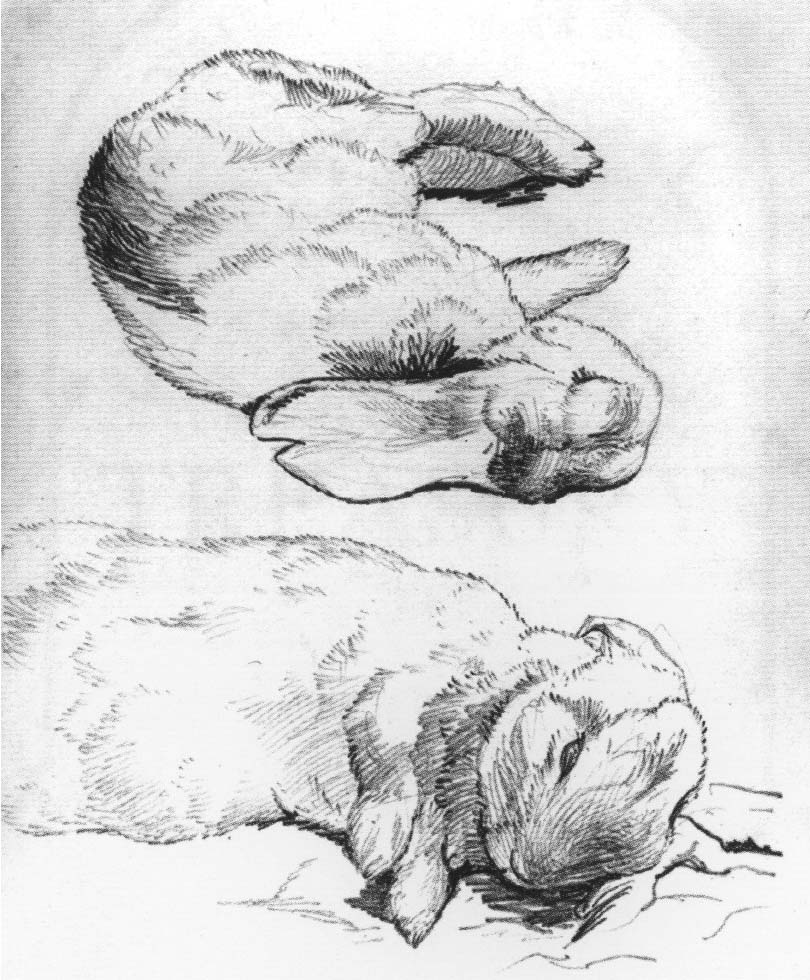

Beatrix Potter's illustrated letter "Peter's Dream of a Comfortable Bed" 1899.

I am constantly amazed at the human body — the interconnectedness of its many layers and parts, its mechanical marvels and beauty, the way it grows, changes and repairs itself. Even after 25 years of drawing human anatomy, I am still moved by its wonder and mystery. […]
The post Why I do what I do. appeared first on Clark Medical Illustration.
I am constantly amazed at the human body — the interconnectedness of its many layers and parts, its mechanical marvels and beauty, the way it grows, changes and repairs itself. Even after 25 years of drawing human anatomy, I am still moved by its wonder and mystery. My first real exposure to anatomy was drawing [...]







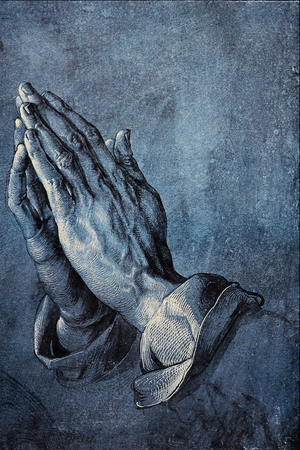

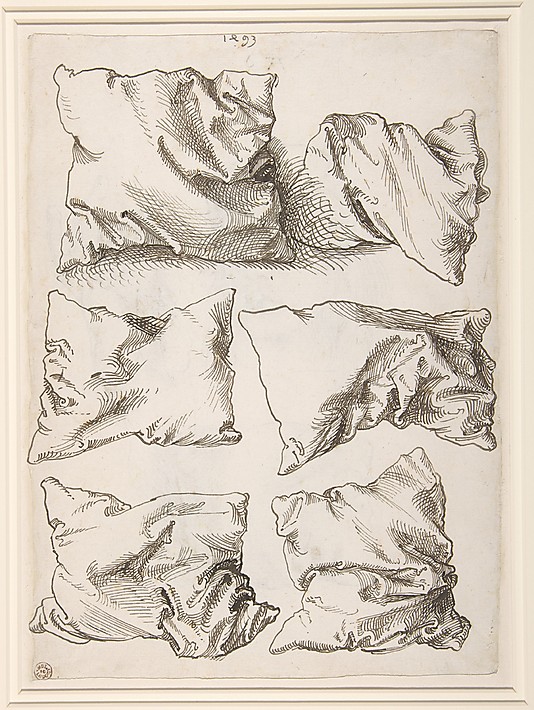
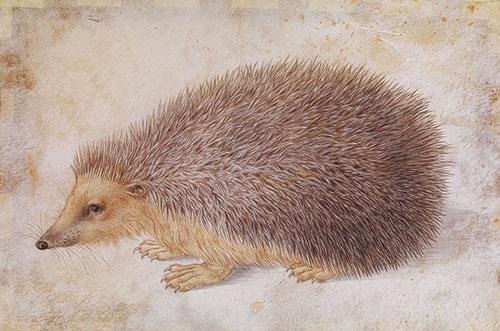


I plan on doing a few postings about anatomical visionary Andreas Vesalius (1514-1564) who is considered to be the father of modern anatomy. Vesalius hailed from Flanders, and was born in Brussels, to a learned family of physicians. He stud...