Warning: Undefined array key "header" in /home/u463395417/domains/blog.medillsb.com/public_html/wp-content/themes/Avada/includes/options/header.php on line 119

Warning: Trying to access array offset on null in /home/u463395417/domains/blog.medillsb.com/public_html/wp-content/themes/Avada/includes/options/header.php on line 119

Warning: Undefined array key "header" in /home/u463395417/domains/blog.medillsb.com/public_html/wp-content/themes/Avada/includes/options/header.php on line 654

Warning: Trying to access array offset on null in /home/u463395417/domains/blog.medillsb.com/public_html/wp-content/themes/Avada/includes/options/header.php on line 654

Warning: Undefined array key "header" in /home/u463395417/domains/blog.medillsb.com/public_html/wp-content/themes/Avada/includes/options/header.php on line 857

Warning: Trying to access array offset on null in /home/u463395417/domains/blog.medillsb.com/public_html/wp-content/themes/Avada/includes/options/header.php on line 857

Warning: Undefined array key "header" in /home/u463395417/domains/blog.medillsb.com/public_html/wp-content/themes/Avada/includes/options/header.php on line 1265

Warning: Trying to access array offset on null in /home/u463395417/domains/blog.medillsb.com/public_html/wp-content/themes/Avada/includes/options/header.php on line 1265

Warning: Undefined array key "header" in /home/u463395417/domains/blog.medillsb.com/public_html/wp-content/themes/Avada/includes/options/menu.php on line 115

Warning: Trying to access array offset on null in /home/u463395417/domains/blog.medillsb.com/public_html/wp-content/themes/Avada/includes/options/menu.php on line 115

Warning: Undefined array key "header" in /home/u463395417/domains/blog.medillsb.com/public_html/wp-content/themes/Avada/includes/options/social_media.php on line 230

Warning: Trying to access array offset on null in /home/u463395417/domains/blog.medillsb.com/public_html/wp-content/themes/Avada/includes/options/social_media.php on line 230
Bryan Christie Design – Artists' Blogs :: Medical Illustration Sourcebook

Bryan Christie Design

About Bryan Christie Design

This author has not yet filled in any details.
So far Bryan Christie Design has created 55 blog entries.

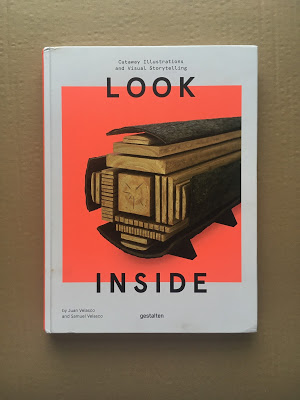
Look Inside

By |February 1st, 2017|Syndicated Content|

I'm pleased and honored to share my studio is featured in a new book on infographics by the incomparable Juan Velasco. The sumptuous and gorgeous book, "Look Inside", published by Gestalten, focuses on cut-away illustration.

Sleep deprivation illustration for Scientific American

By |September 30th, 2015|Syndicated Content|

Here's an illustration we just finished for Scientific American illustrating the effects of sleep deprivation on the body.

Catalogue of work from 2012-2015

By |July 22nd, 2015|Syndicated Content|

An 80 page catalogue of my work from 2012 to the present is now available for purchase. A very special thanks to John Rennie, Miguel Carter Fisher, and Sandra Rendgen for their thoughtful and beautifully written contributions.You can purchase the bo...

180˚ Encaustic in Contemporary Art opening

By |July 6th, 2015|Syndicated Content|

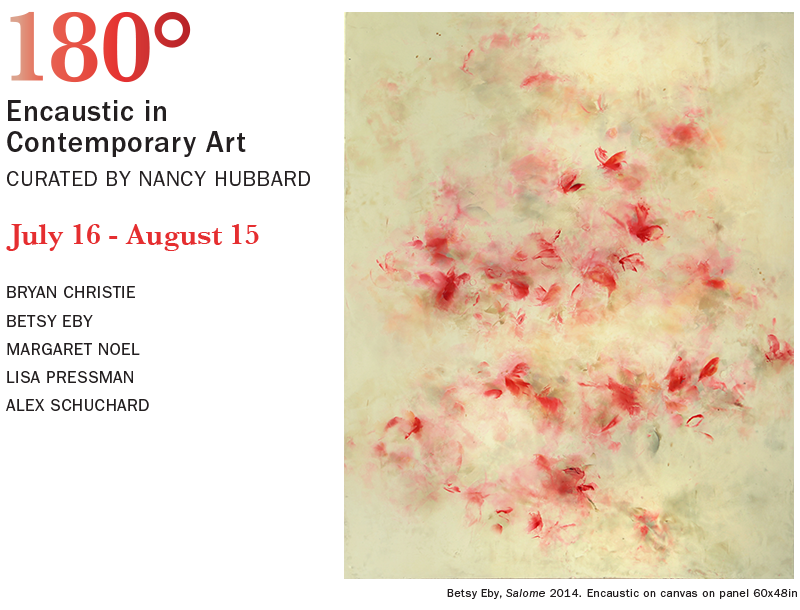
I'm happy to announce I'll be in an upcoming group show at The Curator Gallery in Chelsea. I'll be showing with four artists who also work in encaustic. I'm honored to be showing with these painters. The opening is on Wednesday, July 15th. Please RSVP ...
The blink of an eye

By |June 5th, 2015|Syndicated Content|

The blink of an eye

“One thing is clear; there is no progress in art.”
Willem DeKooning

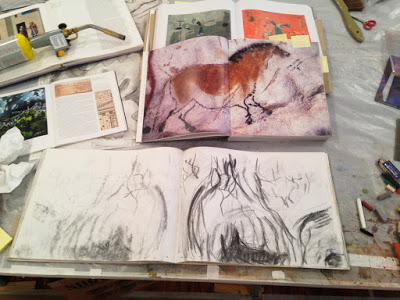
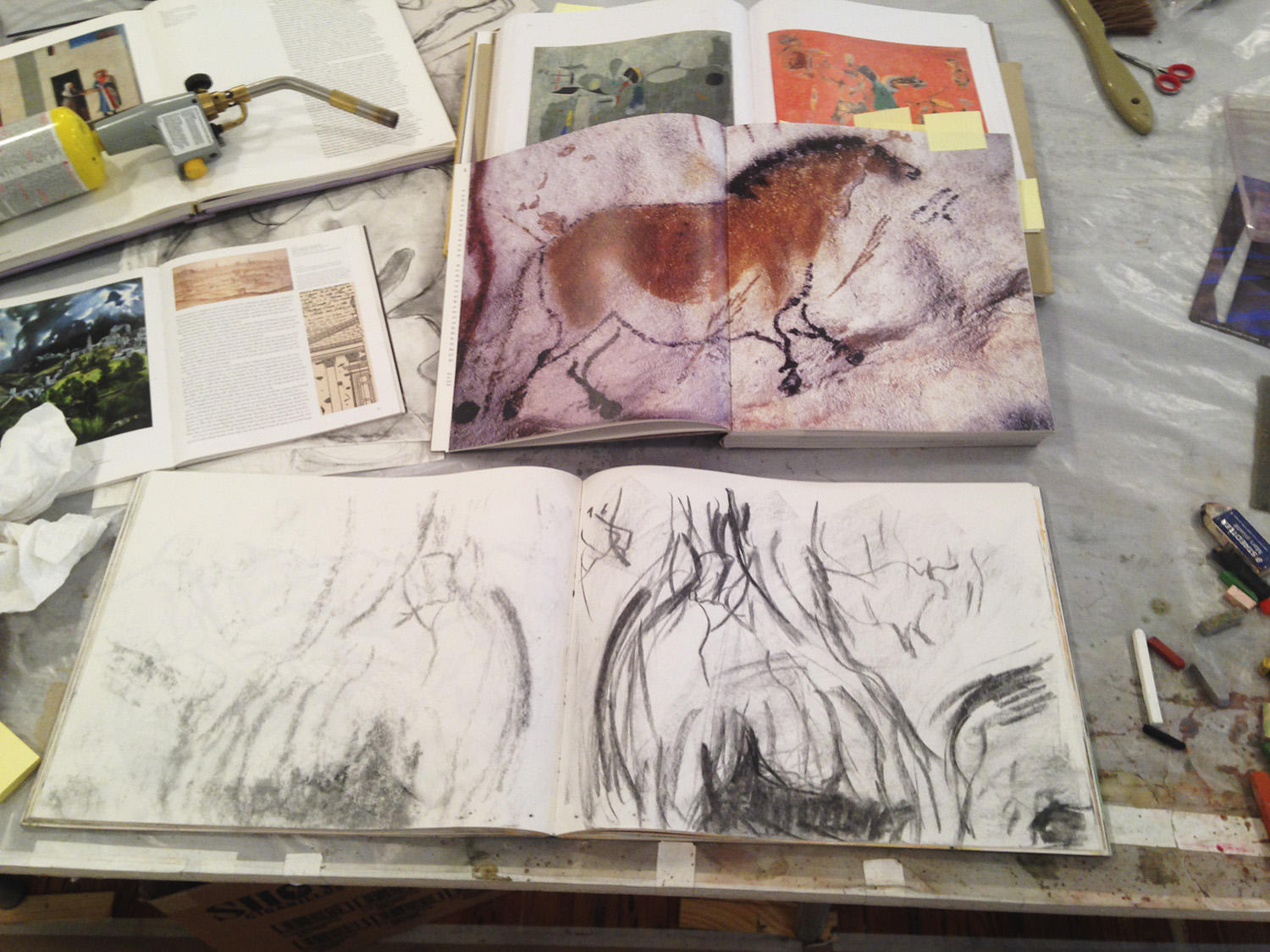
Something washes over me when I pick up a piece of charcoal and draw. It’s primal; I feel the distant call of thousands and thousands of years of ancestry. Maybe it’s because charcoal comes from one of our first technologies: the harnessing of fire.

We make paintings and drawings to claim our existence in the world. This is most evident in cave paintings. They are a primeval psychological expression: of grappling with existence in a world vast, mysterious, and inexplicable. This work is not about taming the natural world, as is most later European art; these animals are not “tamed” for our use. This work is about survival; this is why they are so powerful.

For 35,000 years the aesthetics in these paintings were handed down from generation to generation; there is too much consistency in the work to prove otherwise. Think about that for a moment. These artists seemed not to care about “progress.” (Was progress even a notion they had?) I’ve heard people whine that nothing new has been done in the art world for decades. Decades? Compare that with 35,000 years!

We know about geological change taking place over eons. And yet, on the human scale, we think of 35,000 years as an eternity. We think of the paintings as ancient; yet the cave that has been painted upon is virtually unchanged. So when looking at cave paintings one is presented with the paradox of time: thousands of generations passing in the blink of an eye of Mother Earth.

Caves have no right angles. Did Paleolithic man know what a rectangle was? How often would he see a straight line? Perhaps the only time he witnessed a straight line was when looking out onto the ocean’s horizon. Or maybe he noticed the path of a falling object described a straight line. I look up from the rectangular screen of my laptop. I see the rectangle of the doorway into my kitchen; the rectangular windows letting light in. I inhabit a world of rectangles. Yet they are so ubiquitous I am unaware of them. At times I’ve wondered what an alien would see if they were to visit one of our museums. I think they would wonder why there are so many rectangles on the walls.

I was going to write that we’re prisoners of the rectangle. But something is giving me pause. When I look at a Mondrian a calm comes over me. I’m witnessing the sacredness of the horizontal and vertical line. These straight lines hint at the perfection of physics, or at least how we experience physics: the up and down force of gravity; the horizontal line of stasis and rest. The right angle is a symbol of the sacred union of the activity of gravity and the stasis of rest.

In cave painting we’re witnessing the mystery and wonder of the physical world. In Mondrian we’re witnessing the mystery of the laws that govern the physical world. The subject is irrelevant. What is relevant is the mystery. The awe. The incomprehension and the inexplicable.

The finite mind tries to grasp the infinite and is left peering into the paradox of existence.

Laughing at the word two

By |June 1st, 2015|Syndicated Content|

“Let the poet dream his dreams. Yet, the poet must look at the world; must enter into other men’s lives; must look at the earth and the sky; must examine the dust in the street; must walk through the world and his mirror.”
–William Baziotes

I have a tendency to get lost in the clouds and deny the reality of my corporeal existence. I have an inner committee that has been trying to convince me for years that if I just paint and meditate enough I will float away on a blissful spiritual ether. This committee informs me what I should and shouldn’t feel; that I shouldn’t be sad, angry, or jealous. Rather, I should always be happy, joyous, and free. By labeling one thing as “bad” and another as “good,” I’m codifying and separating. I don’t like to think of myself as a dualist. But this is clearly the case. I’m labeling the emotional world, physical world, and spiritual world as separate entities. I’m not thrilled with this unconscious tendency. 

As much as I would like to think I am, I’m not just a spirit-body composed of particles of love. Rather than ignore and separate myself from the more uncomfortable feeling states I have within, what would happen if I tried to acknowledge and witness them? I’m listening to the anger I have within. What does it have to tell me? What does this pervasive sadness I have been desperately running from have to tell me? What about fear? God forbid I look at envy or jealousy! And I’m not just limiting myself to “negative” emotions. What about joy and love?

Clearly, these feeling states are diverse and multifaceted. Yet I think of my psyche as one thing. There’s a unity here, and contained within it are my variegated feeling states. This isn’t just true of my psyche. Billions of cells arrange themselves to create my physical body (not bodies). And the physical body and emotional body are contained within the energetic makeup of the universe.

I don’t look at it as the many composing the whole. Rather, the one gives birth to the many. I came across this Rumi poem the other day:

When grapes turn 
to wine, they long for our ability to change.

When stars wheel
around the North Pole,
they are longing for our growing consciousness.

Wine got drunk with us,
not the other way.
The body developed out of us, not we from it.

We are bees,
and our body is a honeycomb.
We made
the body, cell by cell we made it.

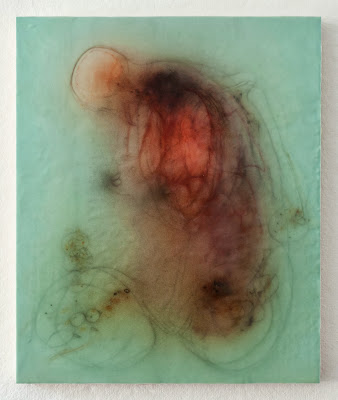
My work has always been about transcendence and our energetic makeup. The symmetry in many of my pieces speaks to unity and oneness. But I am moving away from this with the new body of work I am currently making. I’m interested in putting the chaos, the hustle and bustle, the sights, sounds, and smells of the entire world in the panel. In other words, diversity has become my subject. And how the diverse in its entirety is a unity.

Laughing at the word two
Laughing At The Word Two (after Hafiz)
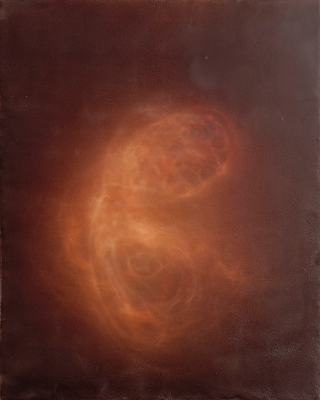
22"x28", silk and encaustic on panel, 2015

Medical Illustration Sourcebook cover art

By |April 8th, 2015|Syndicated Content|

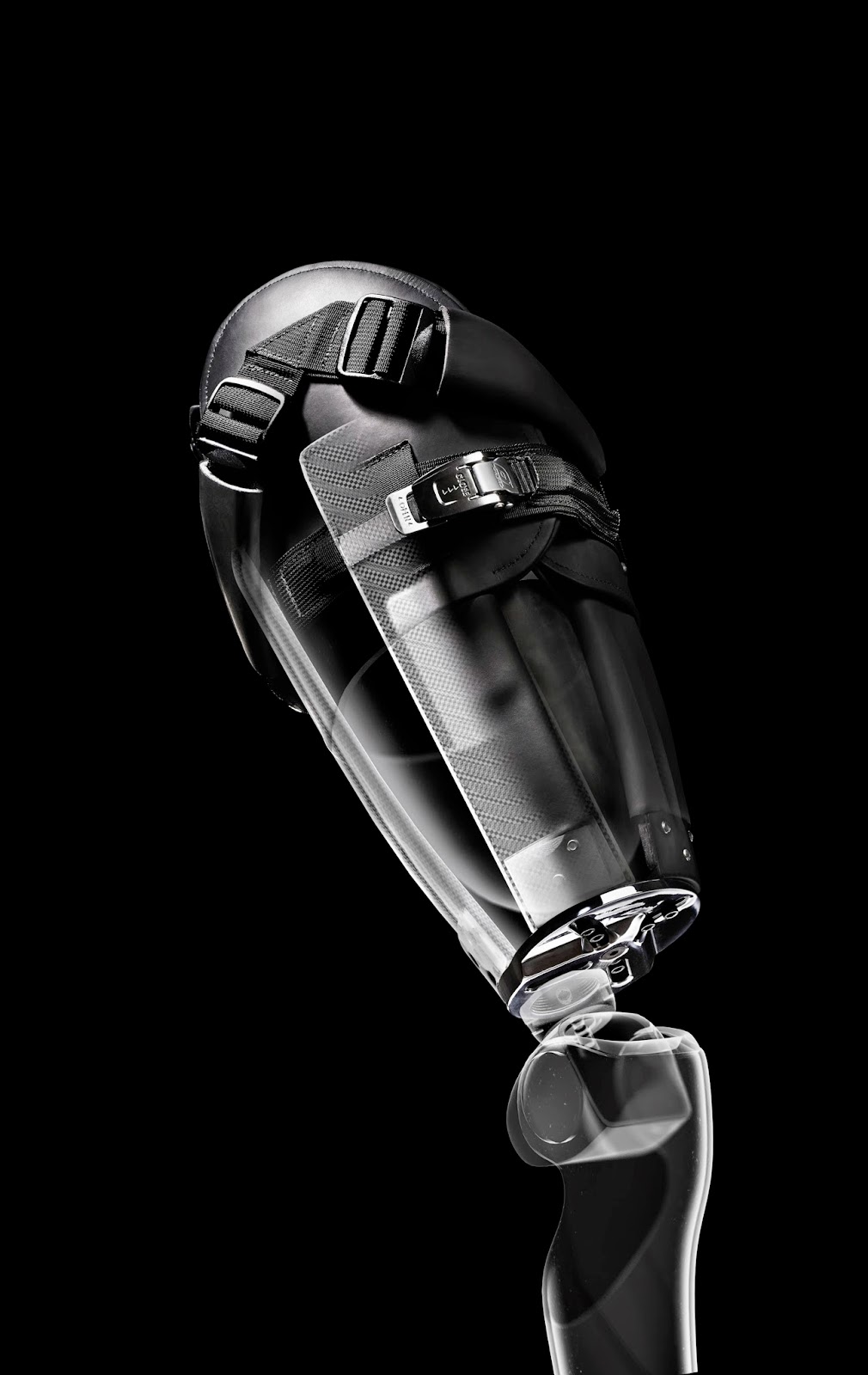
I'm honored to announce that this illustration we created for Scientific American has been selected to be the cover art for this year's Medical Illustration Source Book.

Understanding The World: The Atlas Of Infographics

By |January 5th, 2015|Syndicated Content|

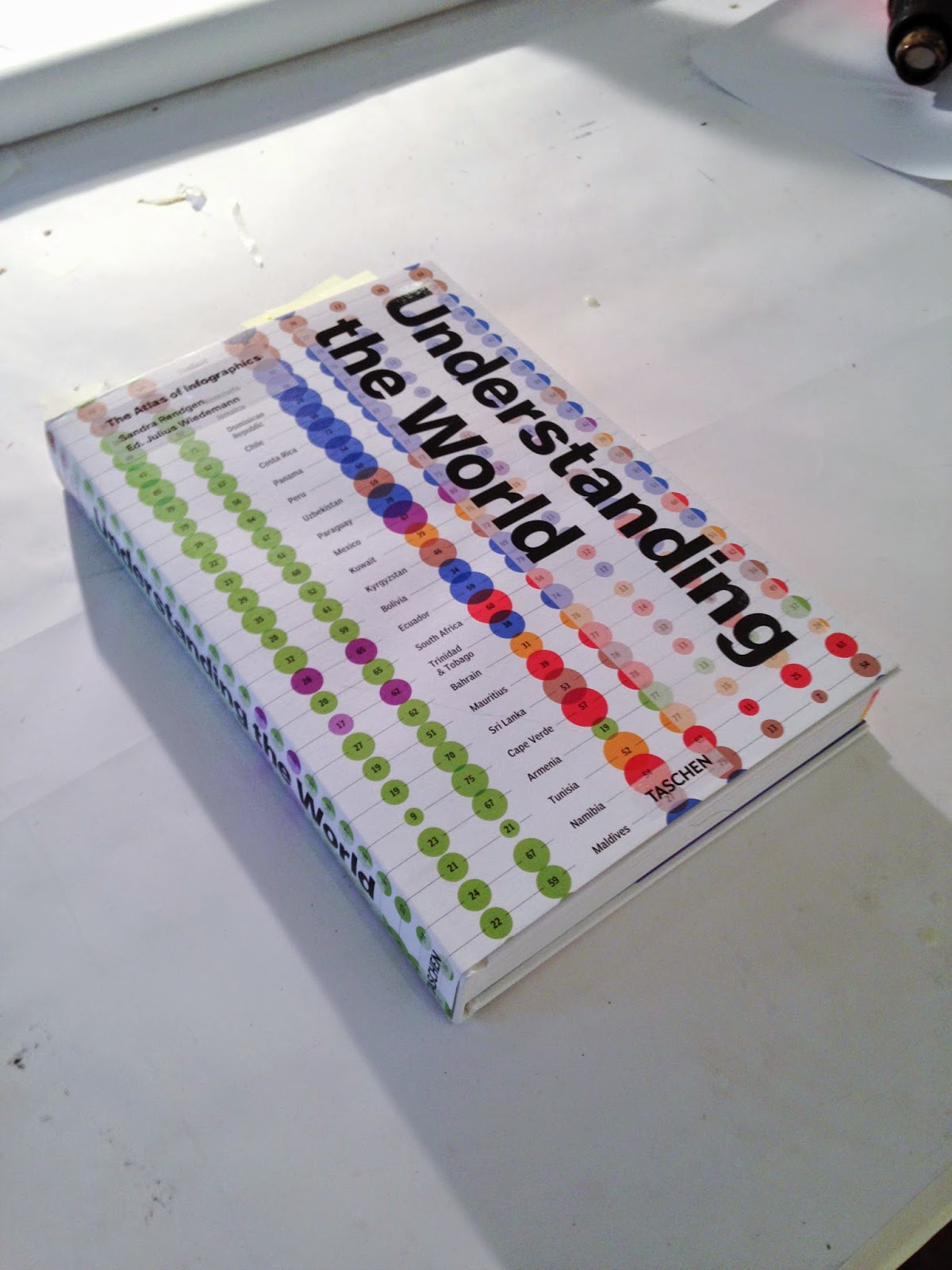
I'm honored to announce that six of our pieces are in the just published book, Understanding The World: The Atlas Of Infographics. Sandra Rendgen did a wonderful job writing and editing the book. The artists on my team, Joe Lertola and Jeong Suh, did b...

In The Studio

By |January 2nd, 2015|Syndicated Content|

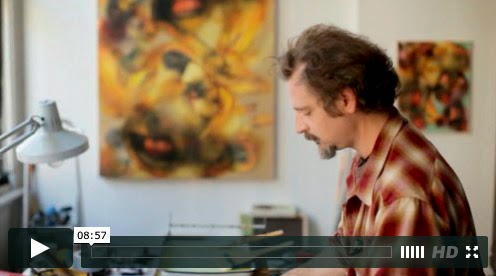
Bryan Galatis recently shot a video of me discussing the thinking and process behind my work.

Best American Infographics 2014

By |October 27th, 2014|Syndicated Content|

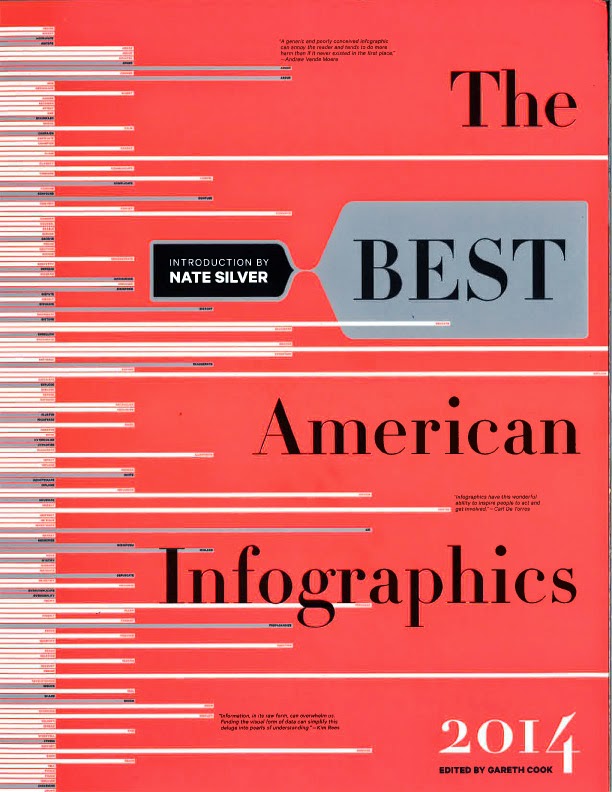
We're proud to have two of our pieces in the new edition of the The Best American Infographics. The soccer graphic was a collaboration with John Grimwade done for 8x8 and the baseball pitch graphic was done for ESPN the Magazine.

Work in the 2014 WIRED design issue

By |October 24th, 2014|Syndicated Content|

WIRED commissioned us to do a few illustrations for their recent 2014 design issue. We created the art of the inner workings that were married to Adam Voorhes beautiful photographs. (The downtown manhattan illustration is an escpetion; it employs no ph...

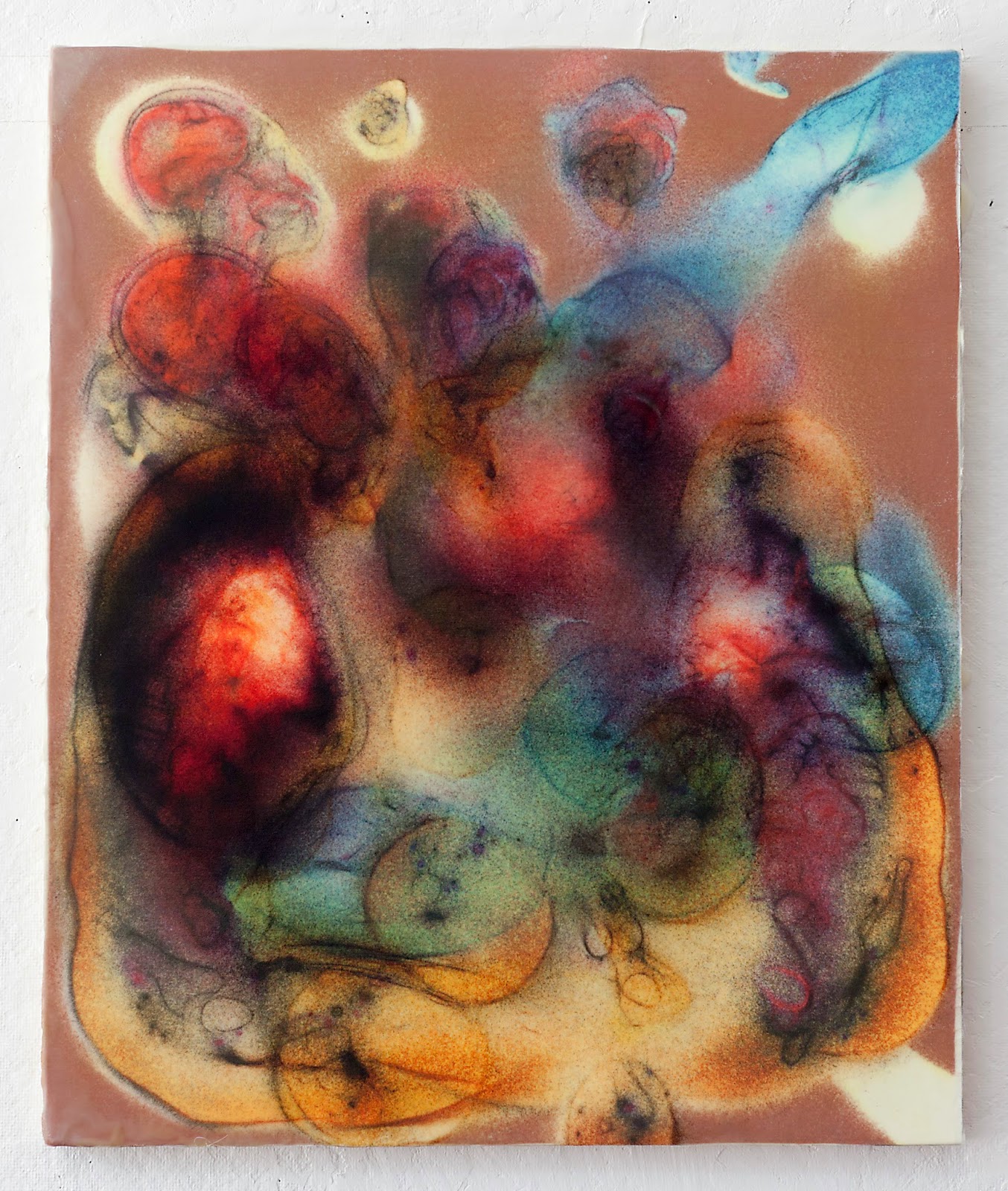
Some new paintings from an as of yet untitled series

By |October 22nd, 2014|Syndicated Content|

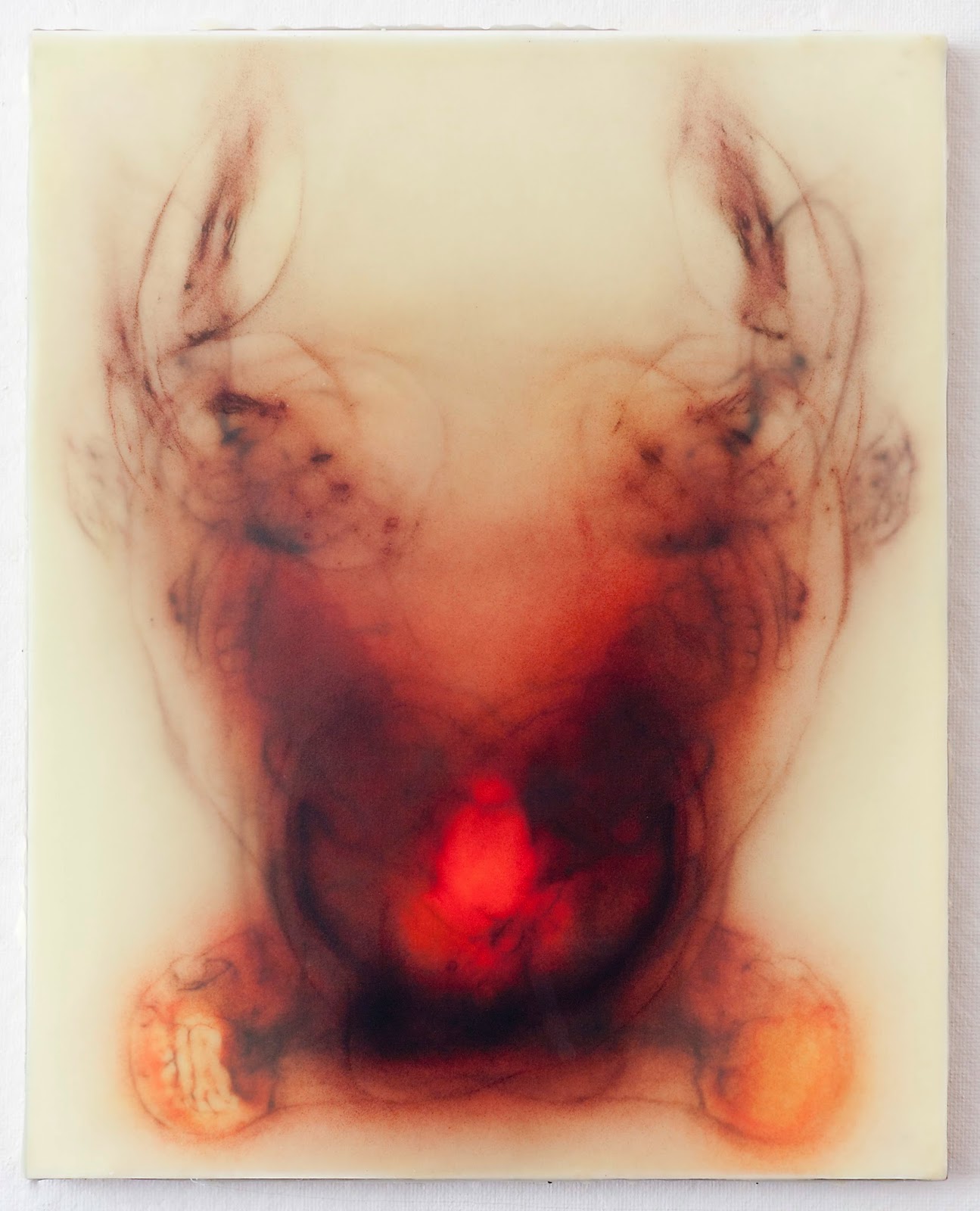
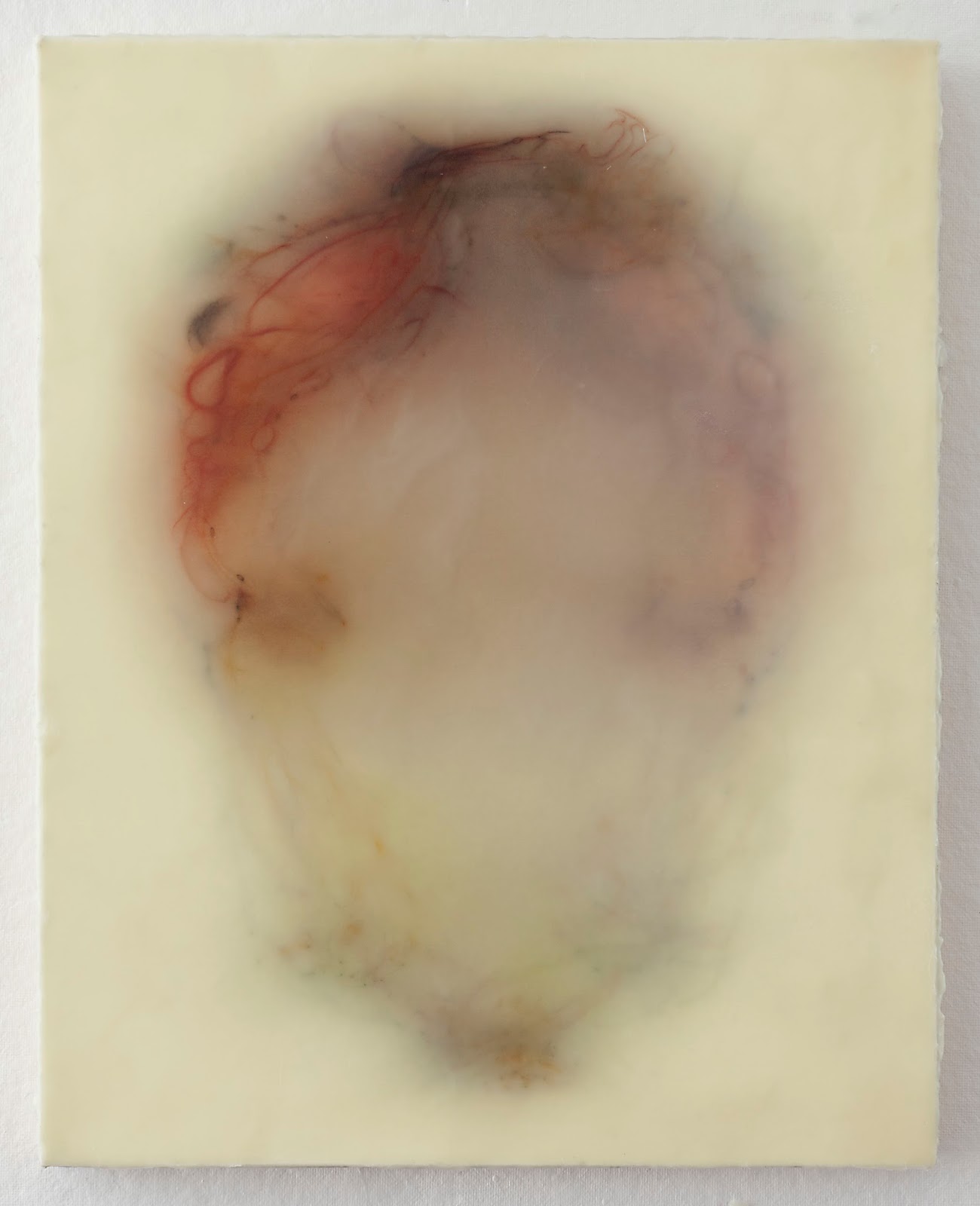
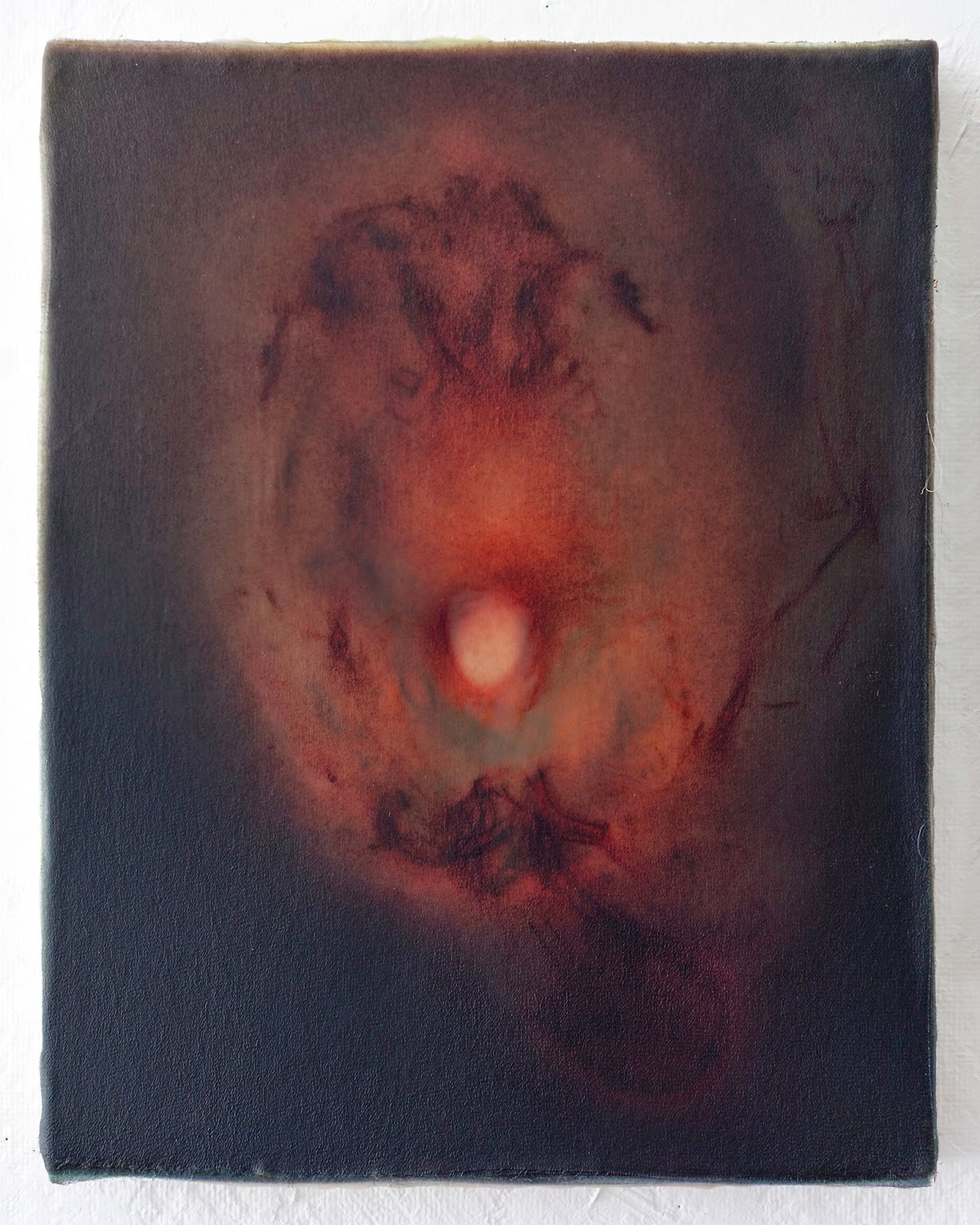
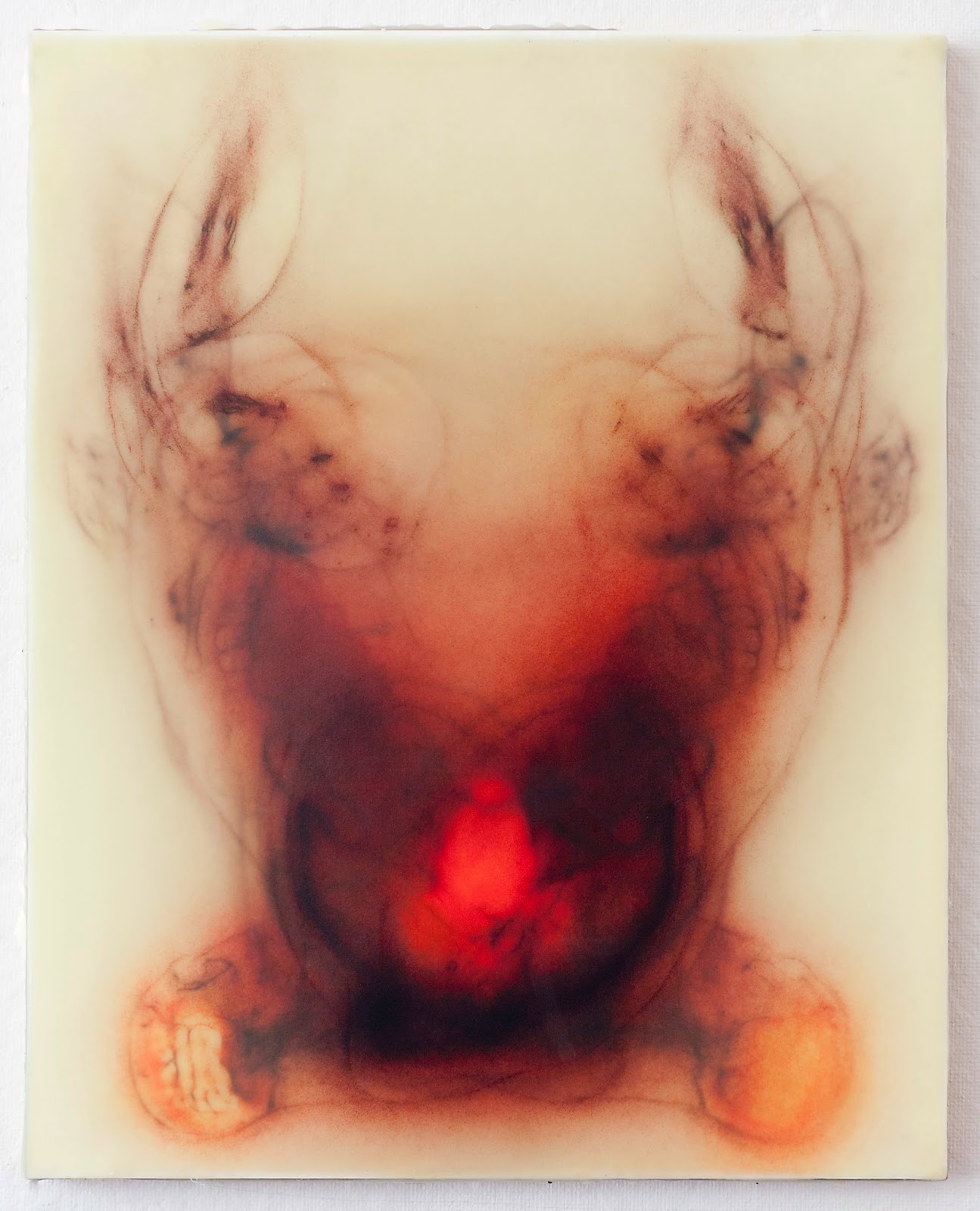
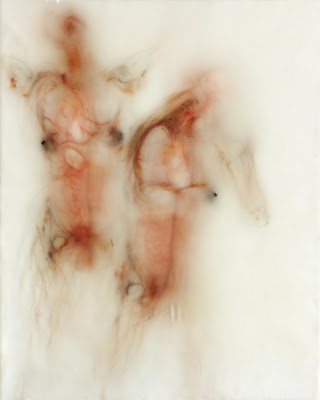
Each painting is 24" x 20", silk and encaustic on panel.

BAHS showing

By |September 25th, 2014|Syndicated Content|

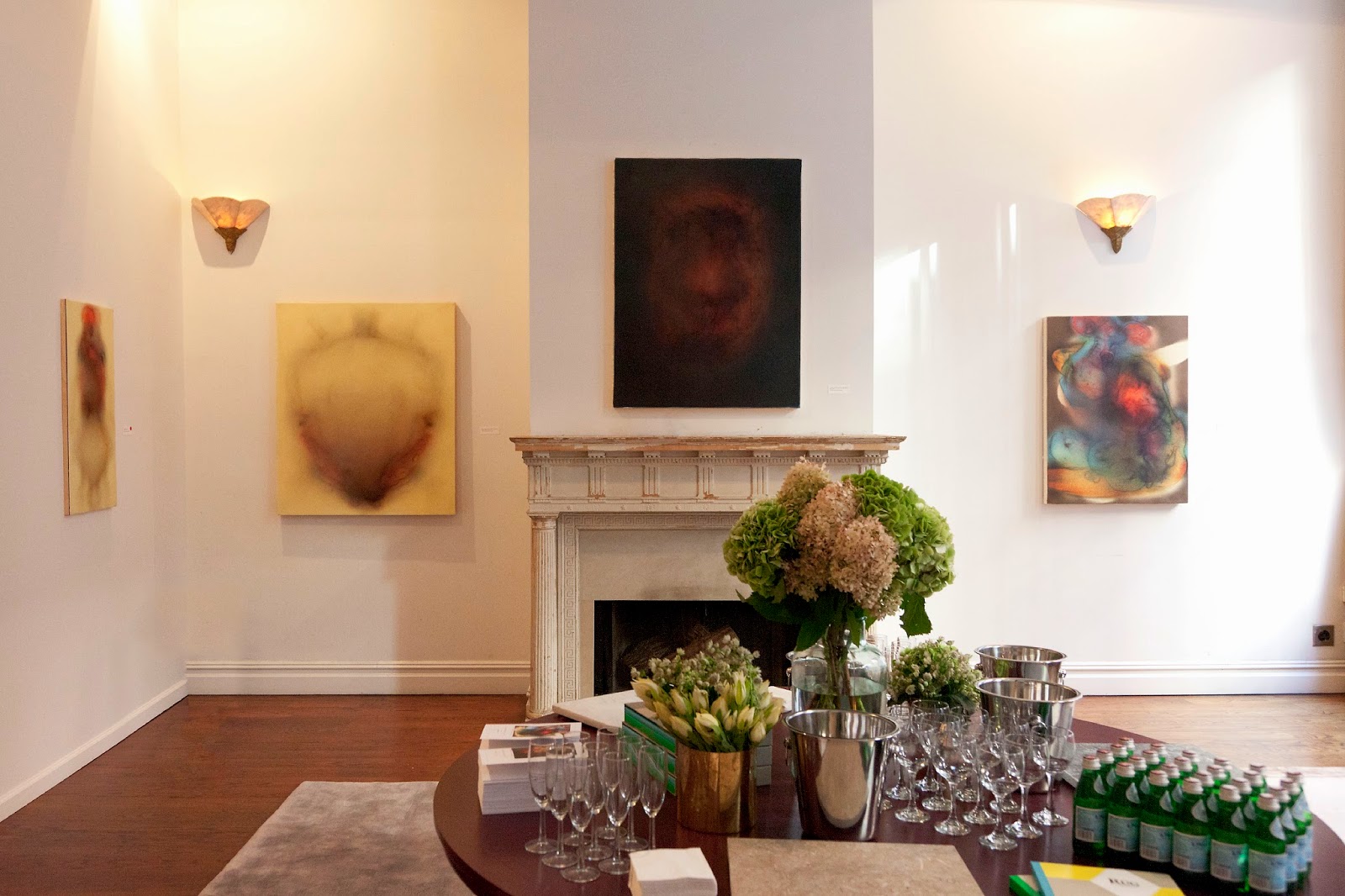
British American Household Staffing along with The Rug Company hosted a showing of my work in the BAHS offices on Mercer Street. They did a wonderful job organizing it. Here are some photos of the space. I'm happy with how the paintings live in this el...

New works on paper

By |September 22nd, 2014|Syndicated Content|

Here are a few pieces on paper I've made over the last month:

Soccer super shoe

By |July 1st, 2014|Syndicated Content|

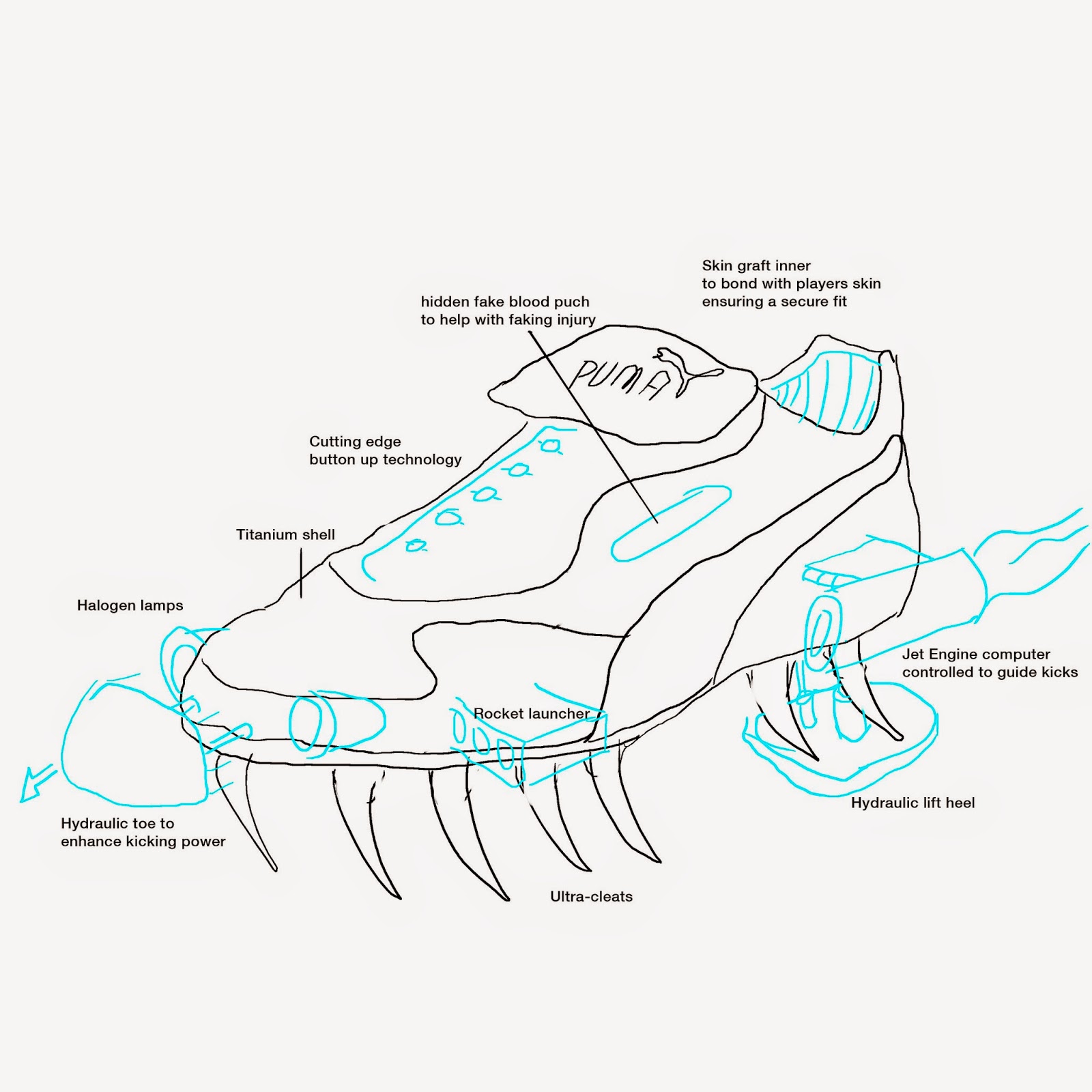
With the World Cup upon us I thought I'd discuss a commission we did last year for the soccer magazine Howler.Robert Priest and Grace Lee came to us with a humor piece about the soccer shoe of the future. They wanted something ridiculous.I put together...

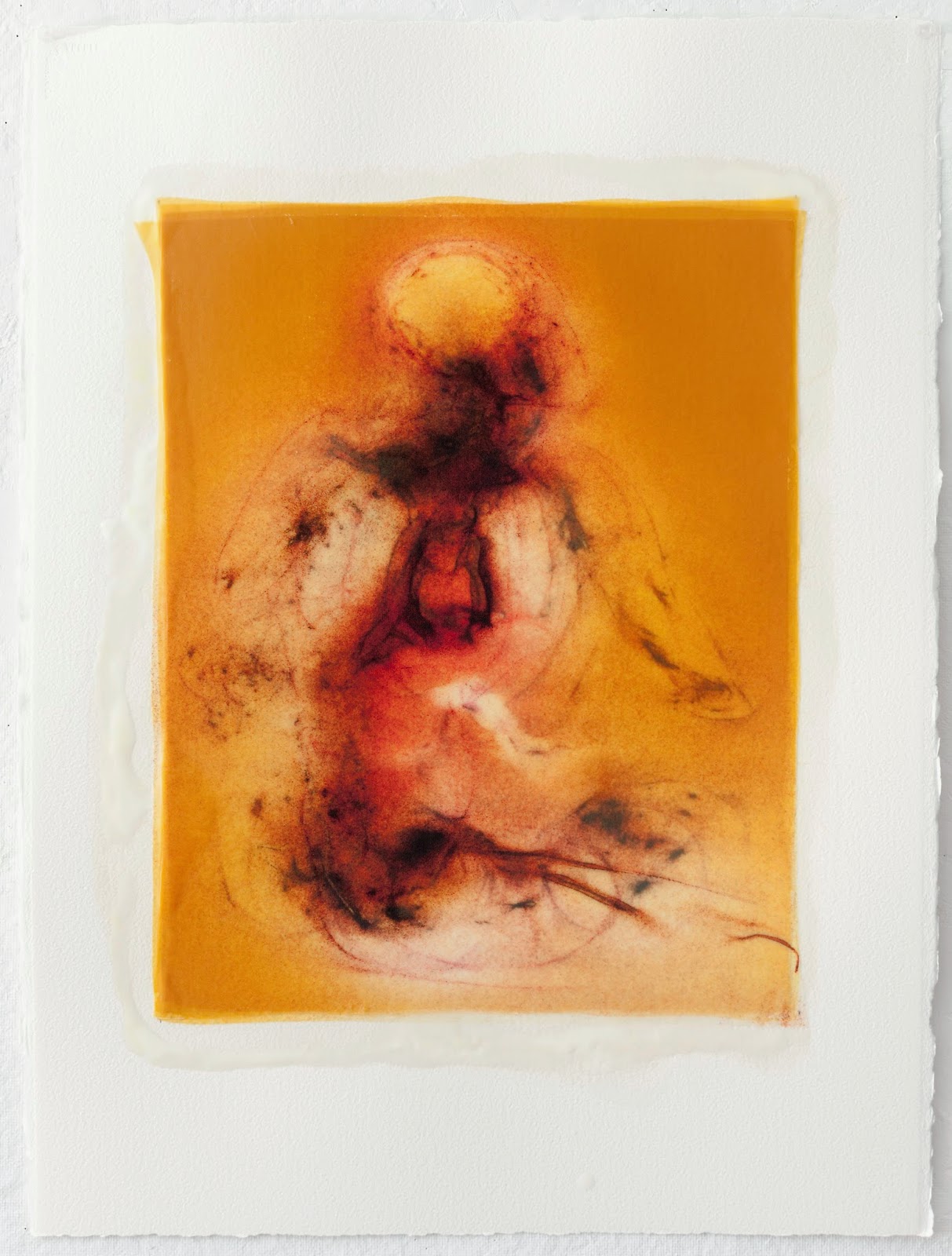
Two figure studies

By |June 23rd, 2014|Syndicated Content|

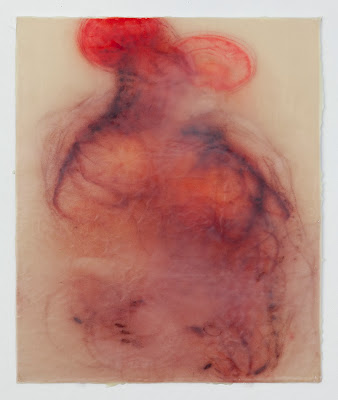
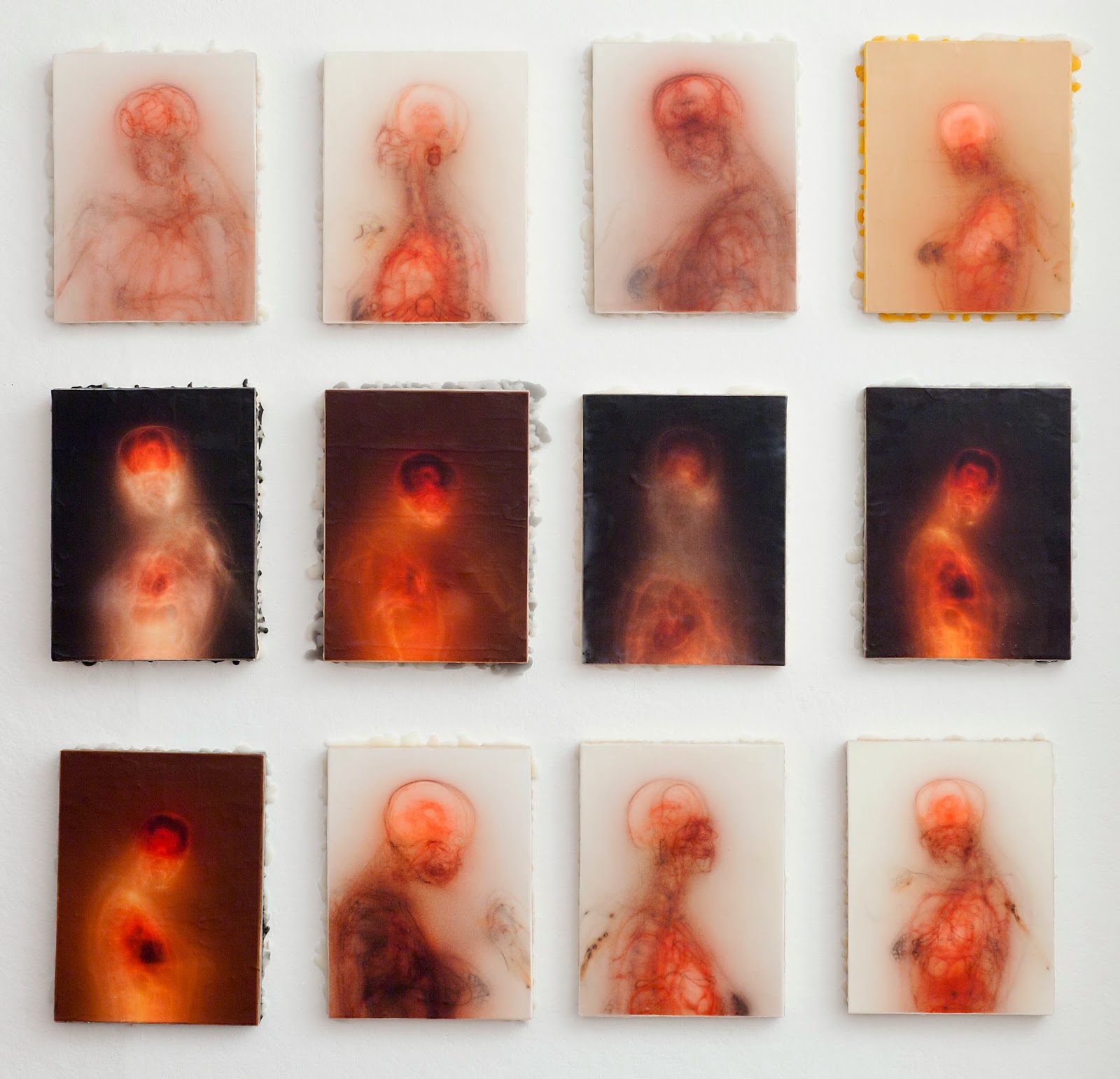
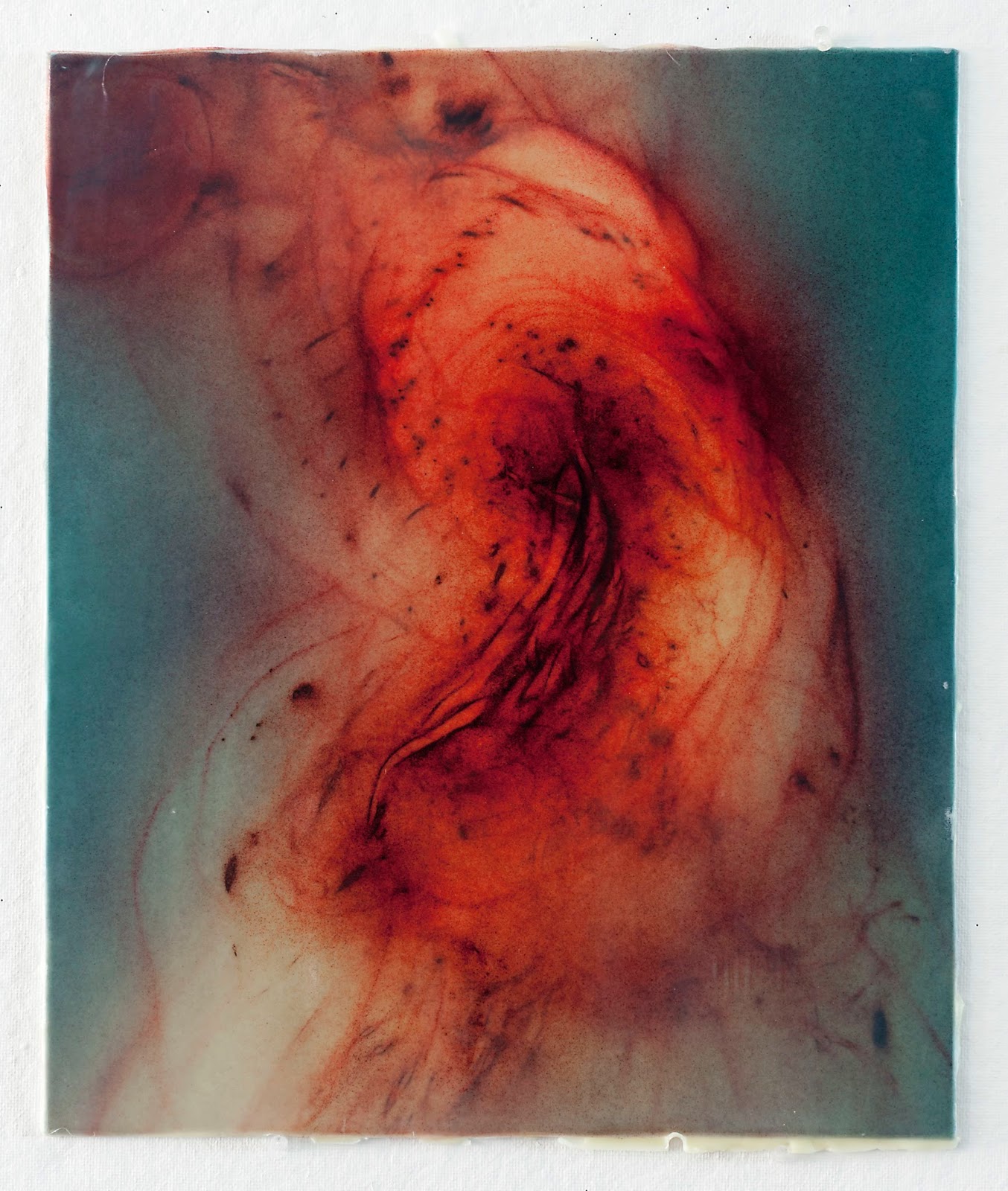
After spending a few months painting abstracts, I've decided to return to the figure. Here are two new works on paper. The shapes in these pieces will most likely inform the next series of abstracts I make.
Archival, limited-edition prints

By |June 19th, 2014|Syndicated Content|

I'm offering signed, limited-edition giclée prints of the following pieces. I print on archival Canson Photographique rag 310/m2 paper. The sheets measure 22"x17". Editions of 20 with one artist proof. Please email me at bryan@bryanchristie.com for inquiries.


Archival, limited-edition prints
"Portraits"  2012


Archival, limited-edition prints
"In the center of the world"  2013


Archival, limited-edition prints
"Reclining man"  2013


Archival, limited-edition prints
"For Rumi"  2014


Archival, limited-edition prints
"The pushing away pulls you in"  2013


Archival, limited-edition prints
"Willem"  2013


Archival, limited-edition prints
"Every angel is terror"  2014


Archival, limited-edition prints
"Divine separation"  2013


Archival, limited-edition prints
"Permanence lost"  2014


WTC graphic

By |June 19th, 2014|Syndicated Content|

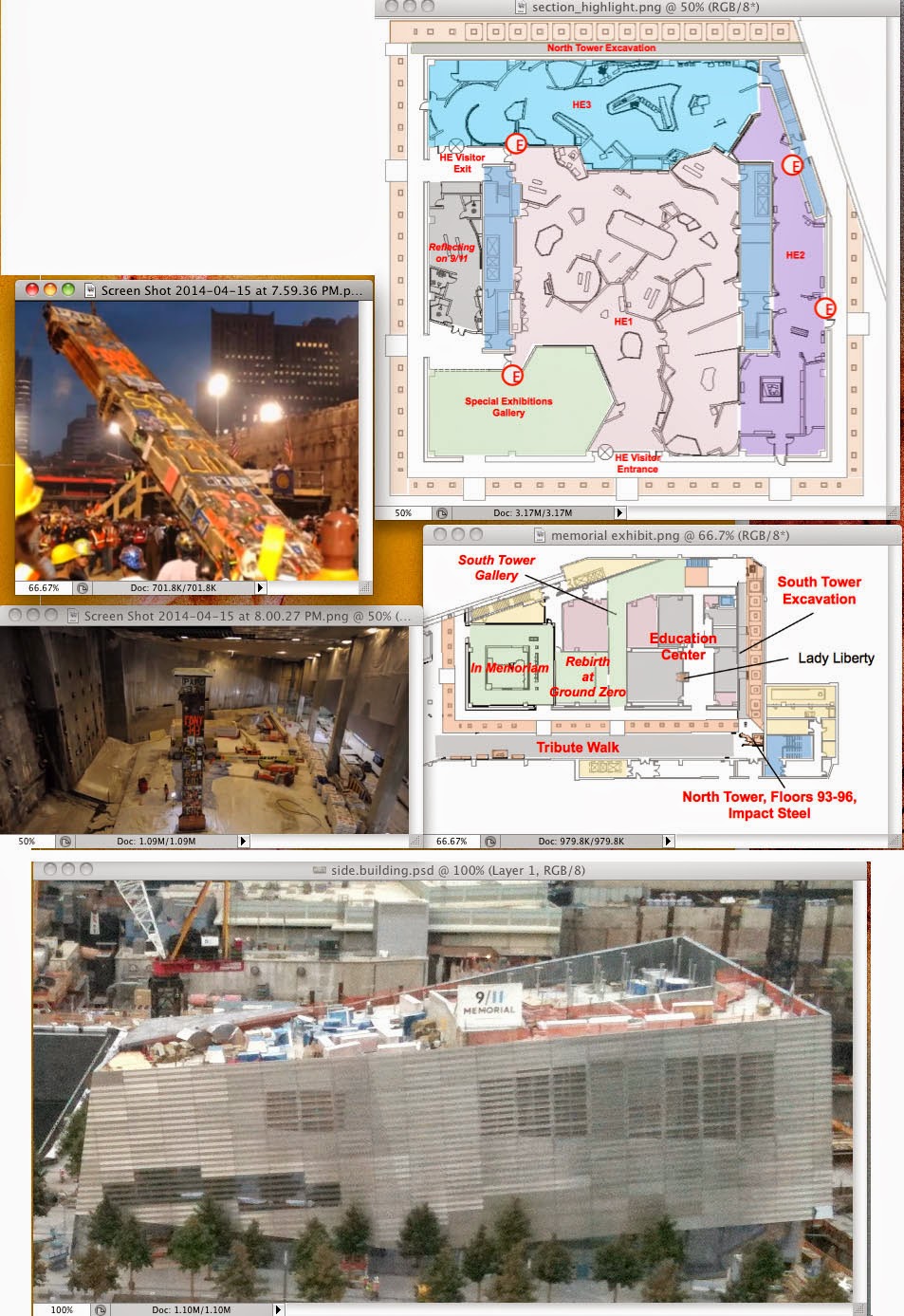
A graphic of ours is in this month's WIRED. It's of the WTC memorial. Here's some of the reference we were given:Here's how the sketches developed:I love the graphic shape of the one below. But it's a bit disorienting and hard to read:We added som...

A little less

By |June 18th, 2014|Syndicated Content|

I believe we've been seduced by the digital medium. It is easy in digital 3D to make things glow, be reflective and shiny. We use every color imaginable in our work. I would like to see more restraint in what we do. Here's an anatomical illustration of...
The usefulness of uselessness

By |June 18th, 2014|Syndicated Content|


The usefulness of uselessness

"All art is quite useless." 
Oscar Wilde 

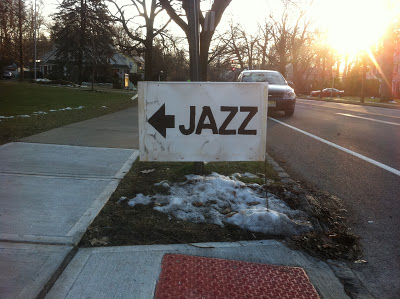
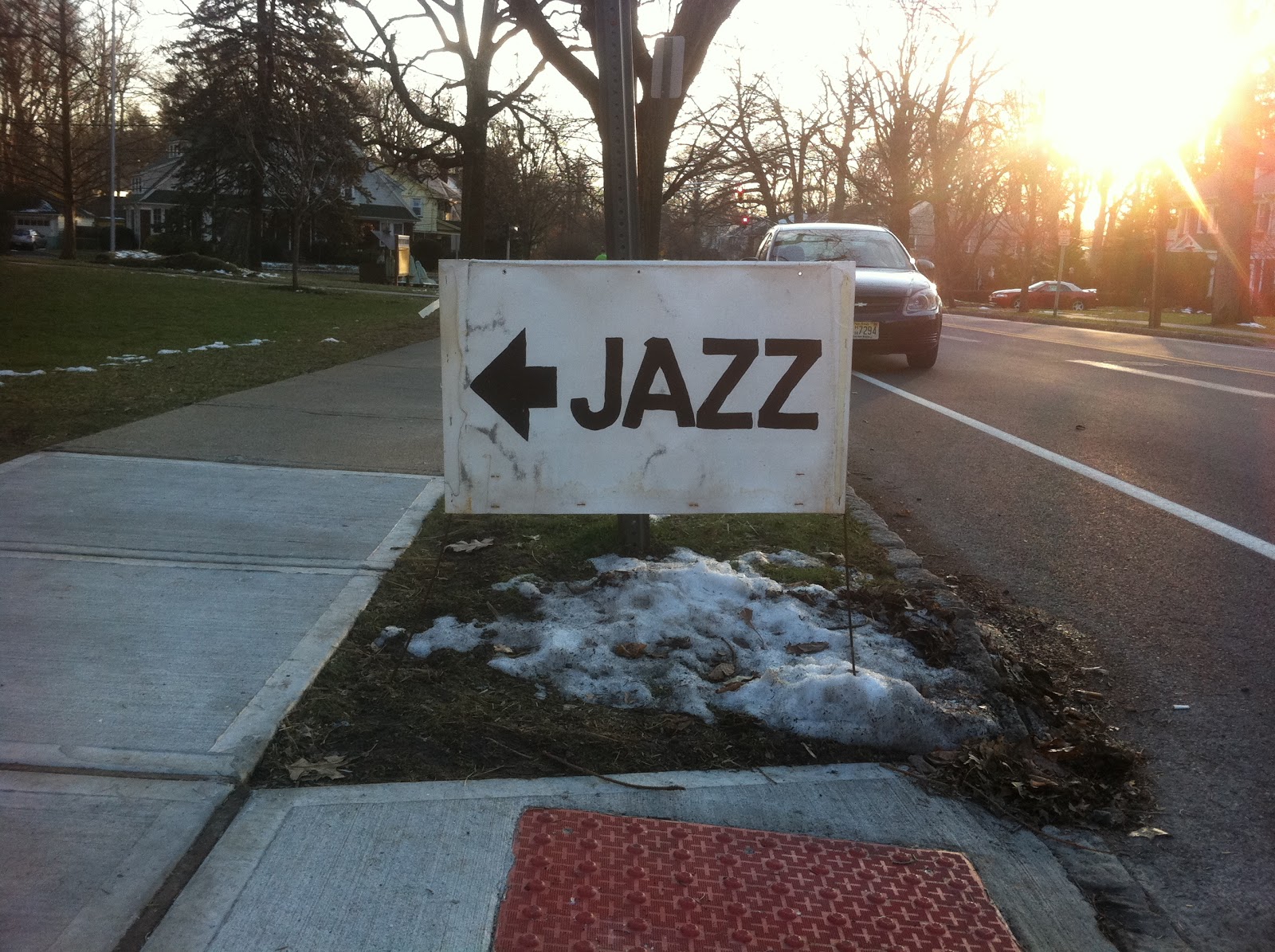
In the late eighties and early nineties I was a student at La Guardia High School of the Arts. My life was devoted to music. Thelonious Monk, Sonny Rollins and Lester Young were my idols. At eighteen I began gigging with my quintet in small venues in New York City. I wrote music and played tenor saxophone with a passion; I would end a gig or practice session in physical pain and emotional exhaustion. 

Jazz clubs were dropping like flies. Swing and bebop had been a vital aspect of American culture. Yet the glory years of the thirties, forties and fifties, with places like NYC's 52nd street, didn't exist anymore. The music I was playing was disconnected from the times I was living in; I was rehashing a music that had died decades before. I was tired of pouring my heart into something that felt useless. I stopped playing. 

At twenty I began working at my father's illustration and animation studio, Slim Films. There I learned that illustration and information graphics serve a specific purpose and have a defined goal. It was a revelation to be doing something concretely useful. After a couple of years working as a freelance illustrator I took a job as an assistant art director at Scientific American magazine. The editors worked with a passion that was eye-opening—even as they were writing about the most obscure subjects, like a particle physics theory that had no perceived relevance in our daily lives. It was as if I were surrounded by artists and musicians. 

This reignited my desire to make music. I decided to leave Scientific American and go back to Manhattan School of Music, the conservatory I had dropped out of a few years earlier. I quickly learned that I didn't have what it would take to make it as a professional musician. It seemed as if the pinnacle of success was getting into the pit band of a Broadway show. The prospect of playing the same music day in and day out was a nightmare. At the time I was earning, and enjoying, a decent living as a freelance illustrator. Once again I stopped playing. 

Over the years I became relatively successful as an illustrator. Five years ago I began to hire people and transition from a freelance illustrator to the creative director of my own studio. Two and a half years ago we moved the studio from Maplewood, N.J., to New York City. 

I reentered the world of the useless; I decided to devote a significant part of my time and energy to creating fine art. Creating something that is of no use is an exercise in frustration. The other day I was complaining to an artist friend about this. Shaking his head he said, "People have no idea how hard this is. It's awful. Just awful." 

And then, a couple of weeks ago I downloaded an album from iTunes of Barry Harris and Charles Davis, two of the teachers I studied with years ago. At the first notes my knees buckled. Time stopped and joy welled in my heart. It didn't matter what year it was. It didn't matter that what I defined as jazz had died years ago. What mattered was that for this brief time it was alive and well in my studio as I listened and danced.

Stopping time

By |June 18th, 2014|Syndicated Content|

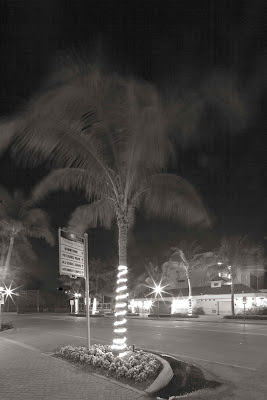
Thirty second exposure of a palm tree swayingWe live in motion. And without time there would be no motion. Everything moves, trembles, vibrates. Depth perception isn't possible without motion. In working in print we are in effect stopping motion. By st...

Sculpture, photography, and information graphics

By |June 18th, 2014|Syndicated Content|

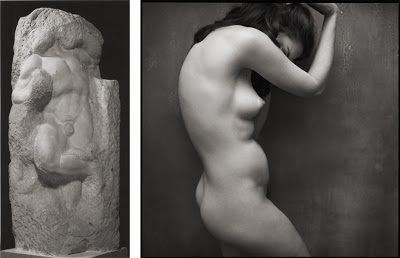
As I was taking pictures over the weekend it occurred to me that the act of taking a photograph is reductive. The same is true for sculpting with marble.Look at these two images:Michelangelo used chisels and hammers to chip into the block of marble in ...

Ink drawings and information graphics

By |June 18th, 2014|Syndicated Content|

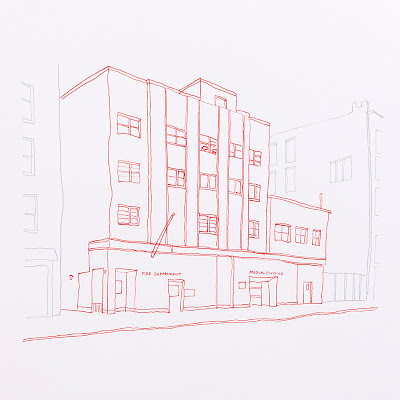
I've been taking pictures of the city that I use as reference for ink drawings.It's good to have ink on my fingers. It's good to smell materials other than the plastic and metal of my computer. It's good to have a tangible object in my hands after...

A visual definition of information graphics

By |June 18th, 2014|Syndicated Content|

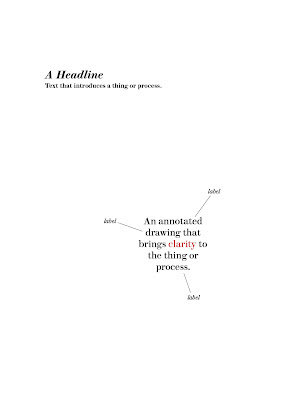
Eighty-one professionals were asked to create a visual definition of information graphics for a book that was published by the Society of News Designers Español.

When I was asked to do this, I froze. Talk about a blank canvas staring you in the face. An information graphic about an information graphic. How meta! My initial ideas involved illustrating the process of going from complexity to simplicity. I considered taking a photo of downtown NYC and then creating a 3-D rendering of the same area with one building highlighted in blue. Lame. One thing my father taught me is to throw out the first idea you come up with; it's usually too simple or surface oriented.

I continued to agonize over the assignment. I felt more and more that the only way to define an information graphic was through words. What are words anyway but organized collections of letters? And what are letters but symbols composed of abstract lines and geometric shapes?

Here's what I came up with:
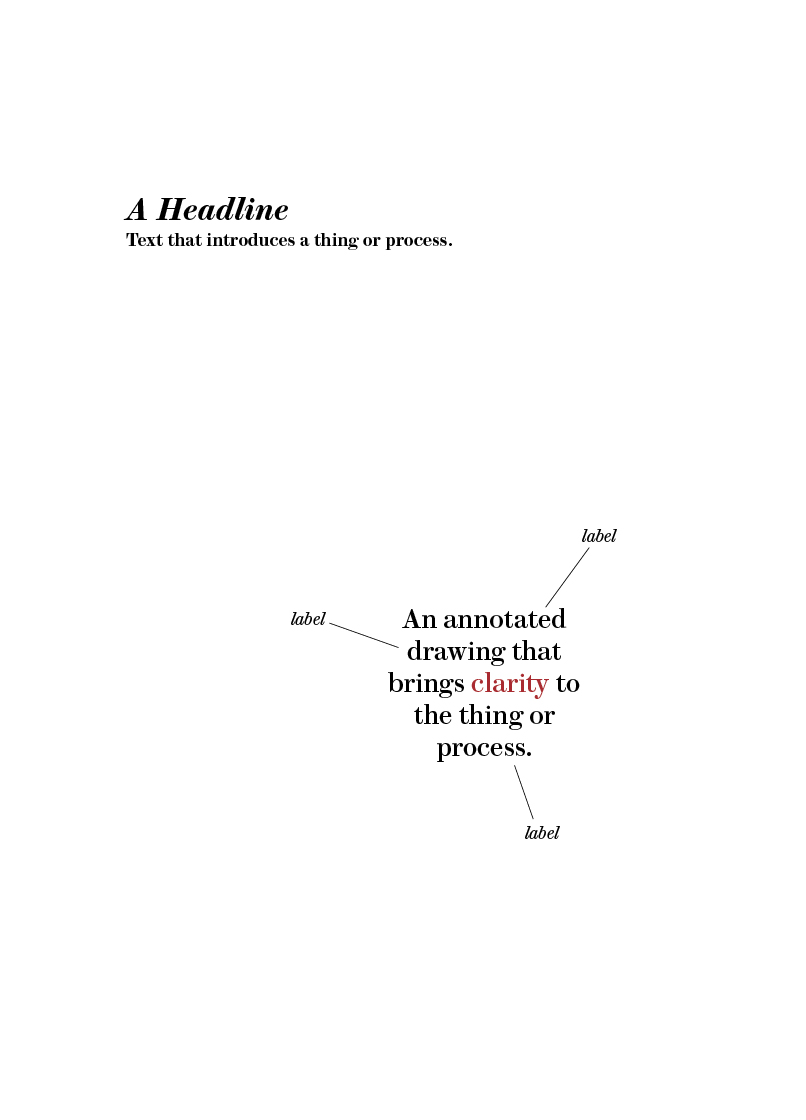

A visual definition of information graphics


After the judging at Malofiej20 I'm not sure I would say that an information graphic must have annotations or words though. There was an entry by National Geographic that was a reconstruction of a primitive man's face. The general consensus was that it wasn't an information graphic. I argued that it was— it was a visual that informed the reader of a possible facial structure of our ancestors. I said that there was a science to these reconstructions. Someone then said that they would feel it was an information graphic if it was annotated. At the time I agreed. I've since changed my mind. In hindsight I wish I had stuck to my guns on this one.

To prove my point, this is my favorite information graphic:

A visual definition of information graphics


It's a color wheel developed by Johannes Itten. I use it all the time. Complementary colors are opposite one another. It shows how the primary colors mix to make the secondary and tertiary colors. It's informative and extremely useful.

Permanence Lost

By |June 13th, 2014|Syndicated Content|

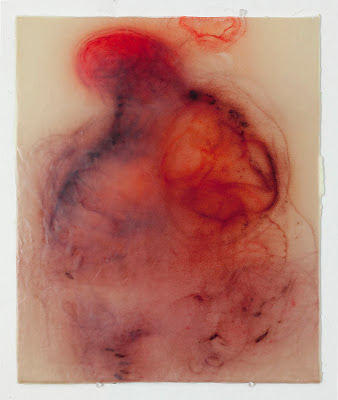
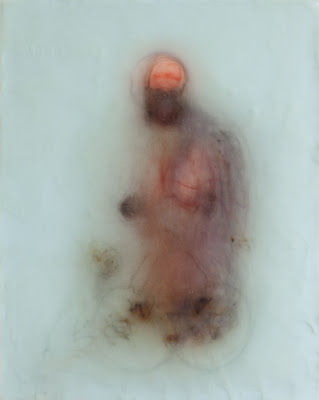
I've been reading Blake's The Book of Urizen. This new series draws inspiration from it. It's titled Permanence Lost. Each painting measures 14"x11". Silk and encaustic on panel.

Every Angel is Terror

By |June 9th, 2014|Syndicated Content|

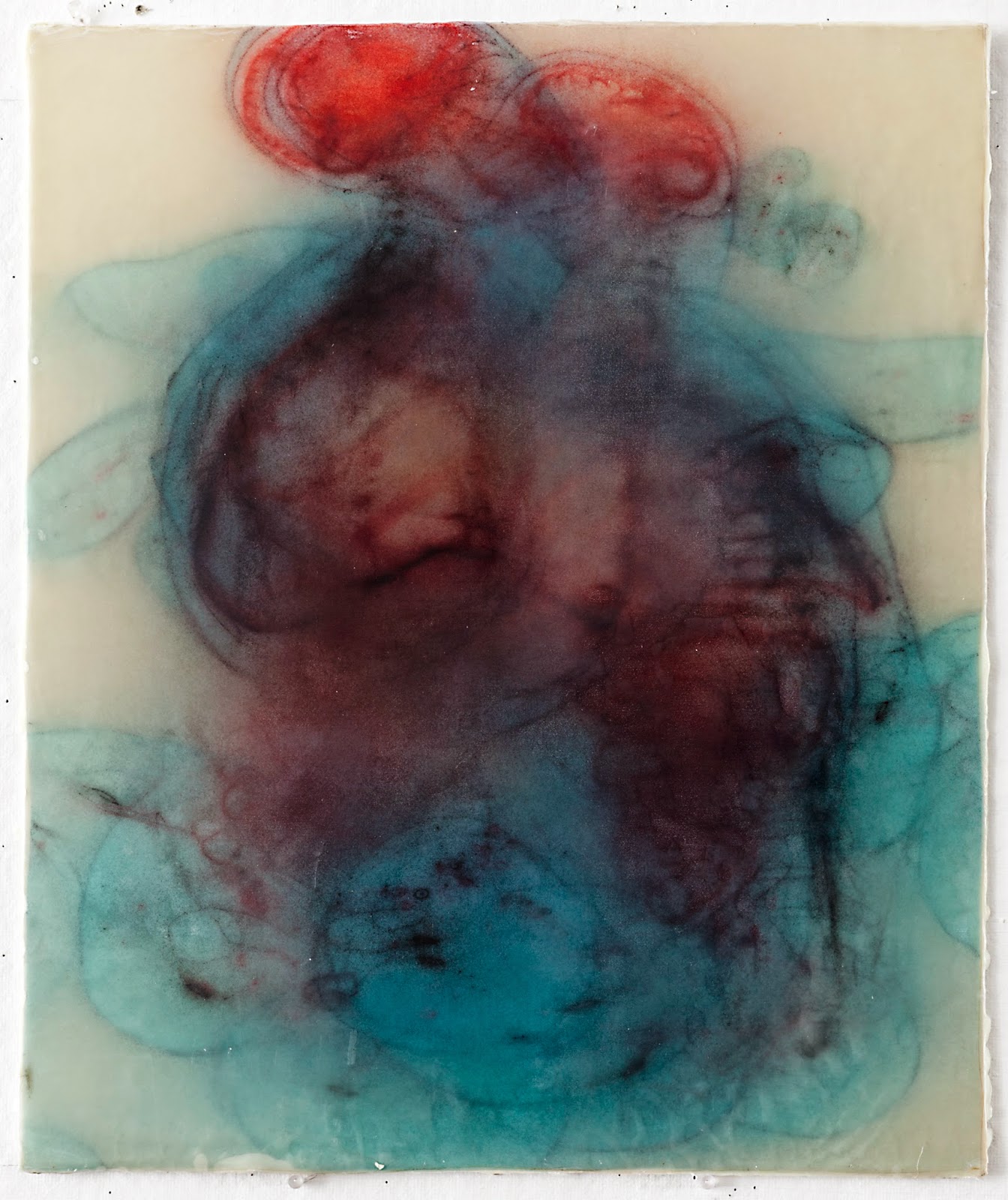
Here are a few pieces I've been working on. The series is titled Every Angel is Terror. The name is a line from a Rumi poem I recently read. Each measures 20"x16". Encaustic and silk on panel.

Works on paper

By |June 5th, 2014|Syndicated Content|

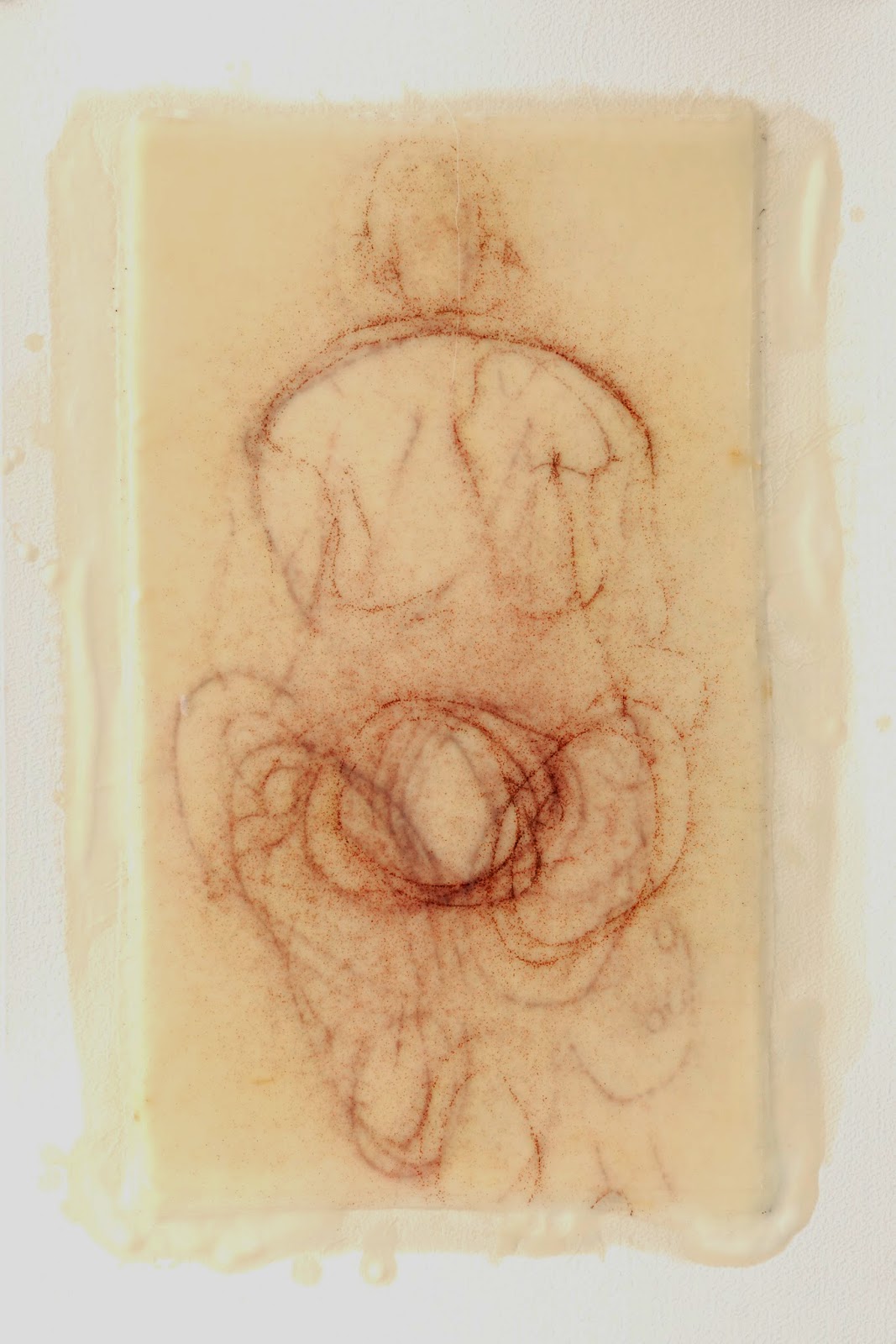
I've decided to explore working with line:I'm using a paper support rather than a wood panel. I like the rough edges. These are more figurative than than the recent abstracted work I've been making. It's refreshing to go back to the figure.
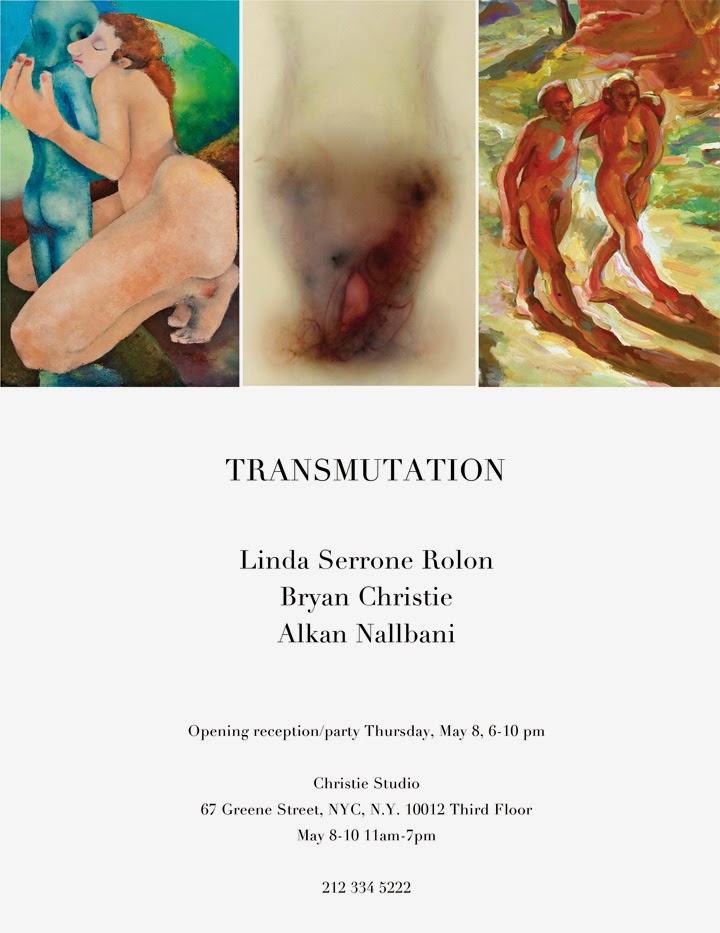
Opening reception for Transmutation

By |April 29th, 2014|Syndicated Content|


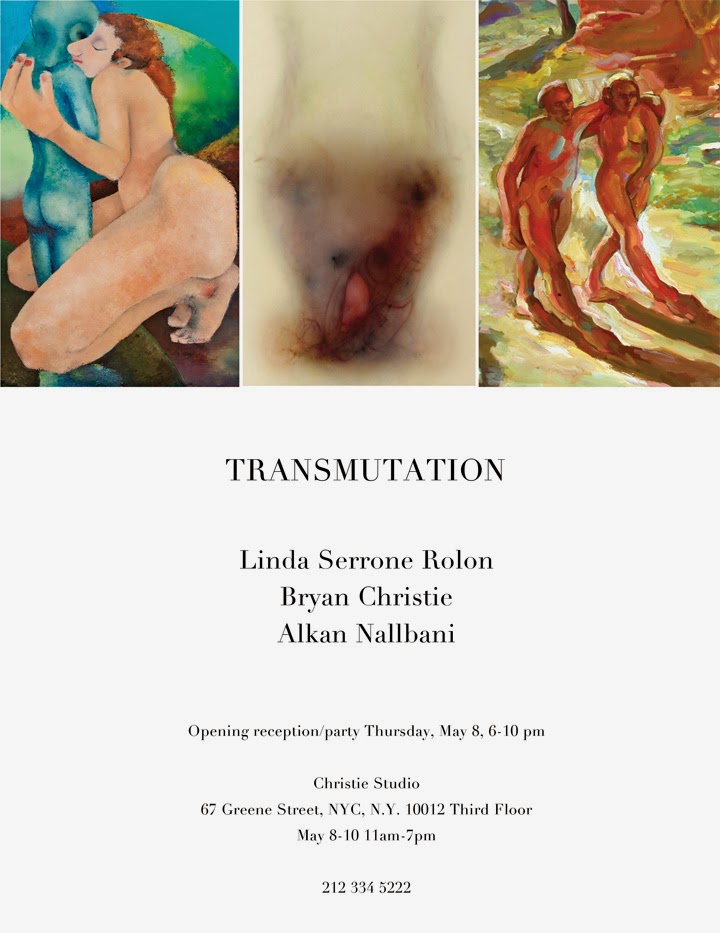
Opening reception for Transmutation

I'm hosting a three-person show at my studio. I'm showing with two other wonderful artists: Linda Serrone Rolon and Alkan Nallbani. The opening is on Thursday, May 8th, from 6 to 10pm. If you're in the NYC area, please come by!

The show will be up through Saturday, May 10th. 11am-6pm.

Press release:

TRANSMUTATION

Please Join Us Thursday, May 8, 6-10pm

Christie Studio, 67 Greene Street, 3rd floor

New York City


Please accept this invitation to view the works by Linda Serrone Rolon, Bryan Christie, and Alkan Nallbani and their connection to Transmutation.  
Linda Serrone Rolon's elements of Transmutation are a conversion of life, material, and imagination.  Rolon has been painting Mother and Child as subject long before she even thought about being a mom.  Each interpretation is a reflection of her own personal experience and a deep connection to others’ stories of being a mother and/or a child.  “It is the surface that I need to keep clean and smooth. That feeling to make a terrible situation perfect, like in cinema—its nostalgic effort to turn an image into a life lesson.” From the boroughs of NYC, Rolon continues to work in Brooklyn with family in tow and has retired parts of her life to reconnect with the community in the only way she knows how (through her art).
Bryan Christie’s work explores the spectrum of human experience. "Our lives start with trauma as we are brought into the world from the safety of our mother's womb. We eventually die, experiencing the loss of all that is dear to us. Yet transcendence and the experience of the sublime are rooted in this fleeting material existence. The divine is made evident through tangible and sensual experience; without our physical selves, we would not experience moments of wonder and the mysterious." 
His work is an attempt to transform the lasting effects of his post-traumatic stress disorder from childhood abuse into a message of acceptance, love, and compassion. He ultimately believes that "the human body can express spiritual truths, and my work seeks to inspire a visceral experience of the ultimate love, truth, and beauty that lies in the heart of our world."
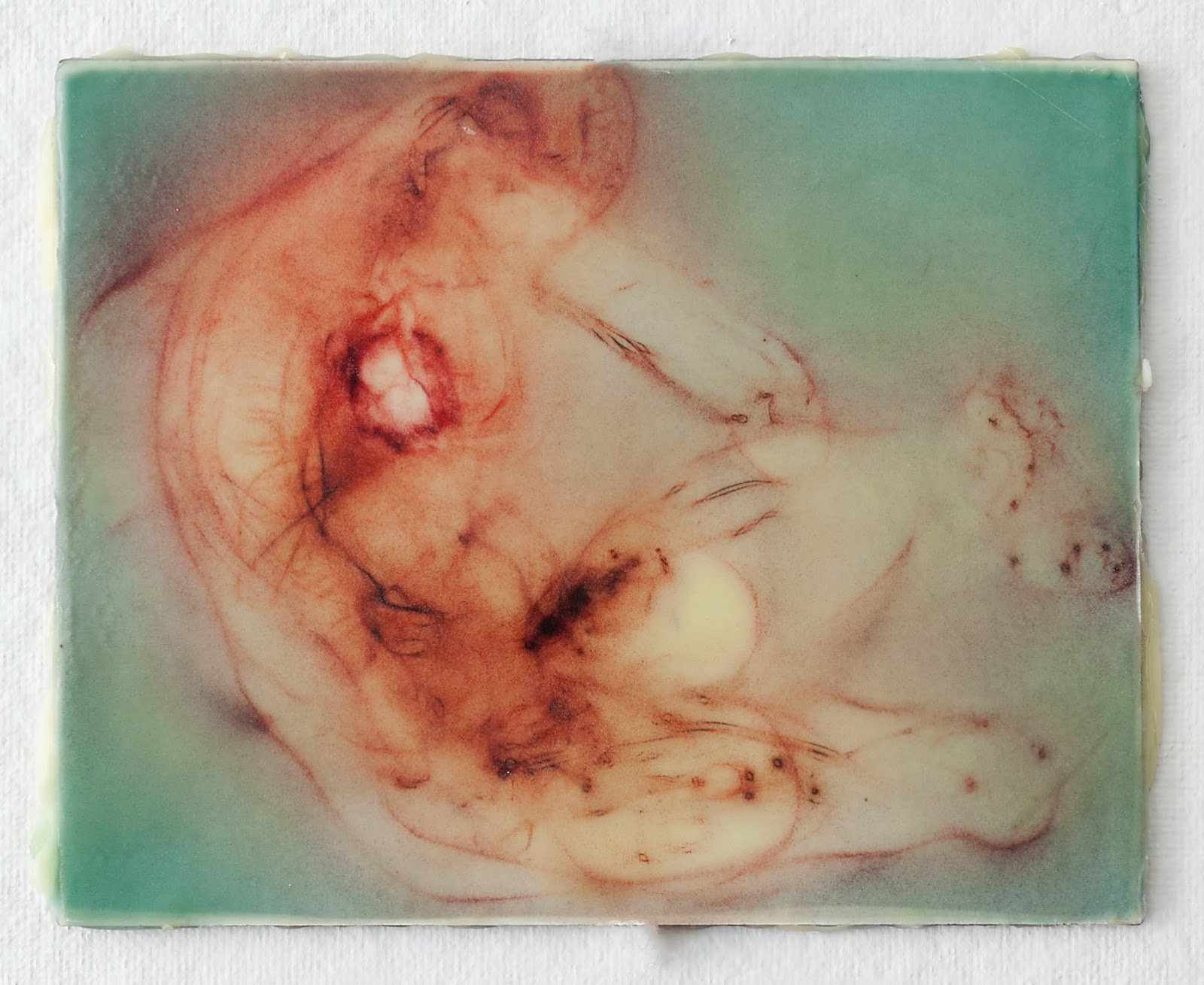
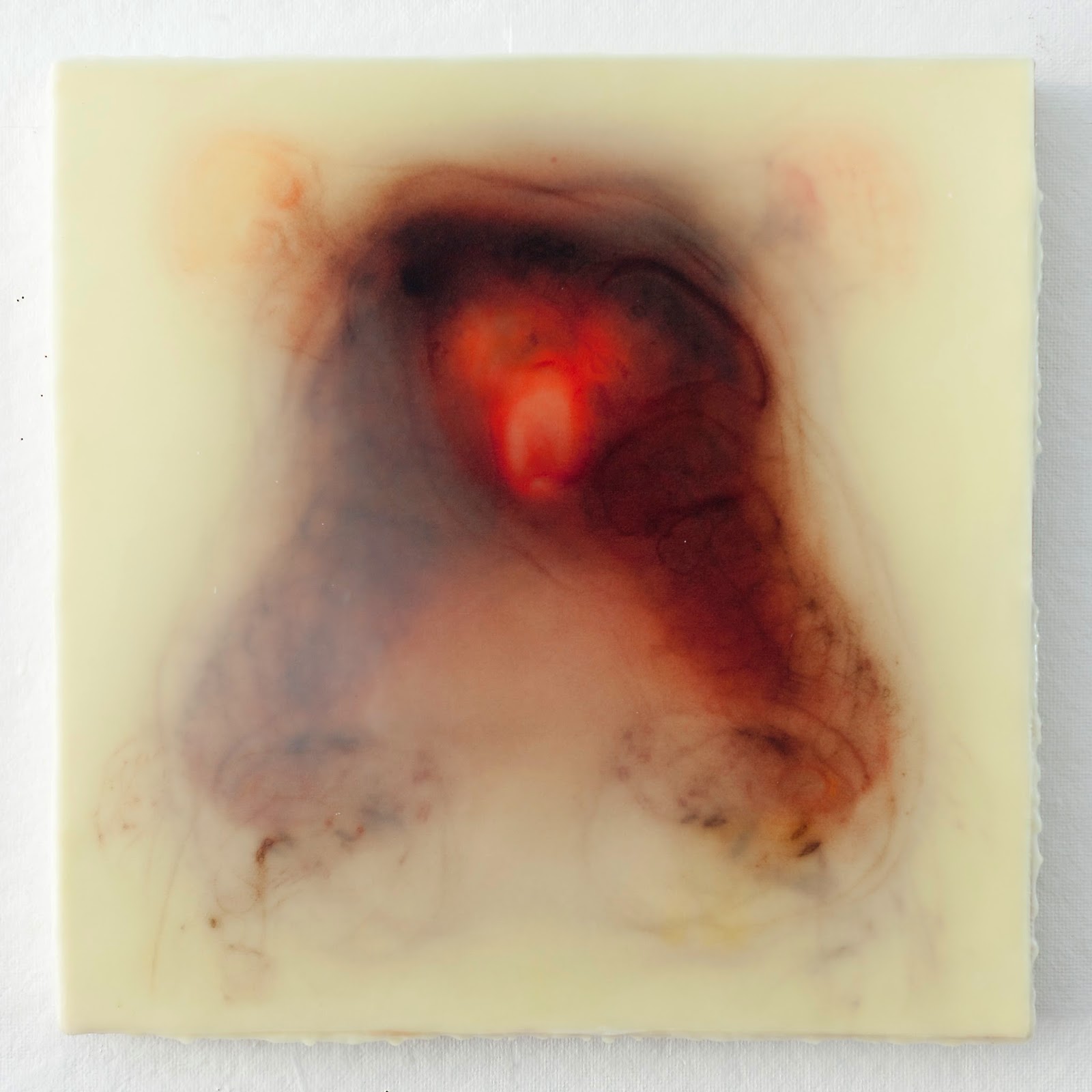
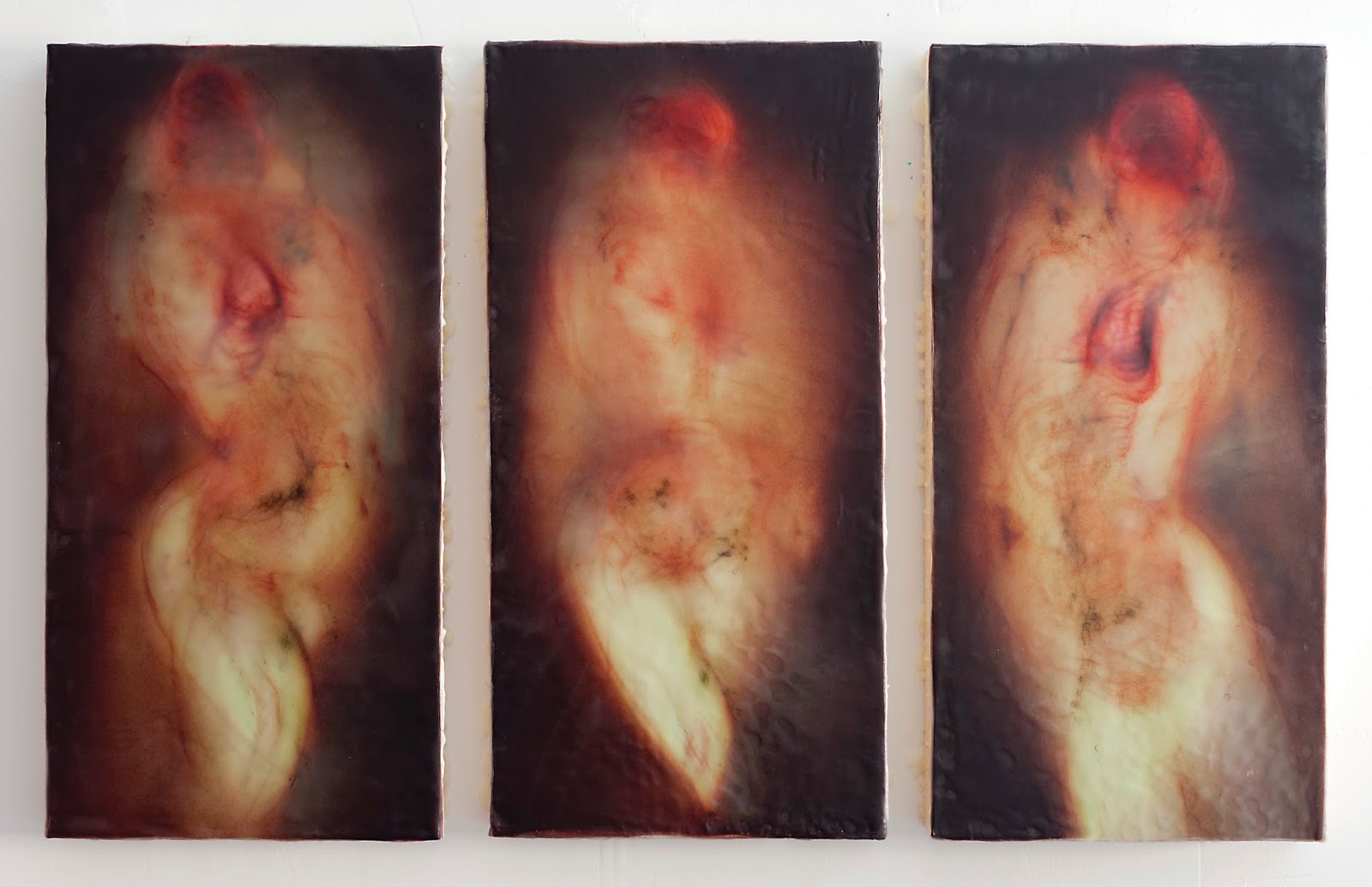
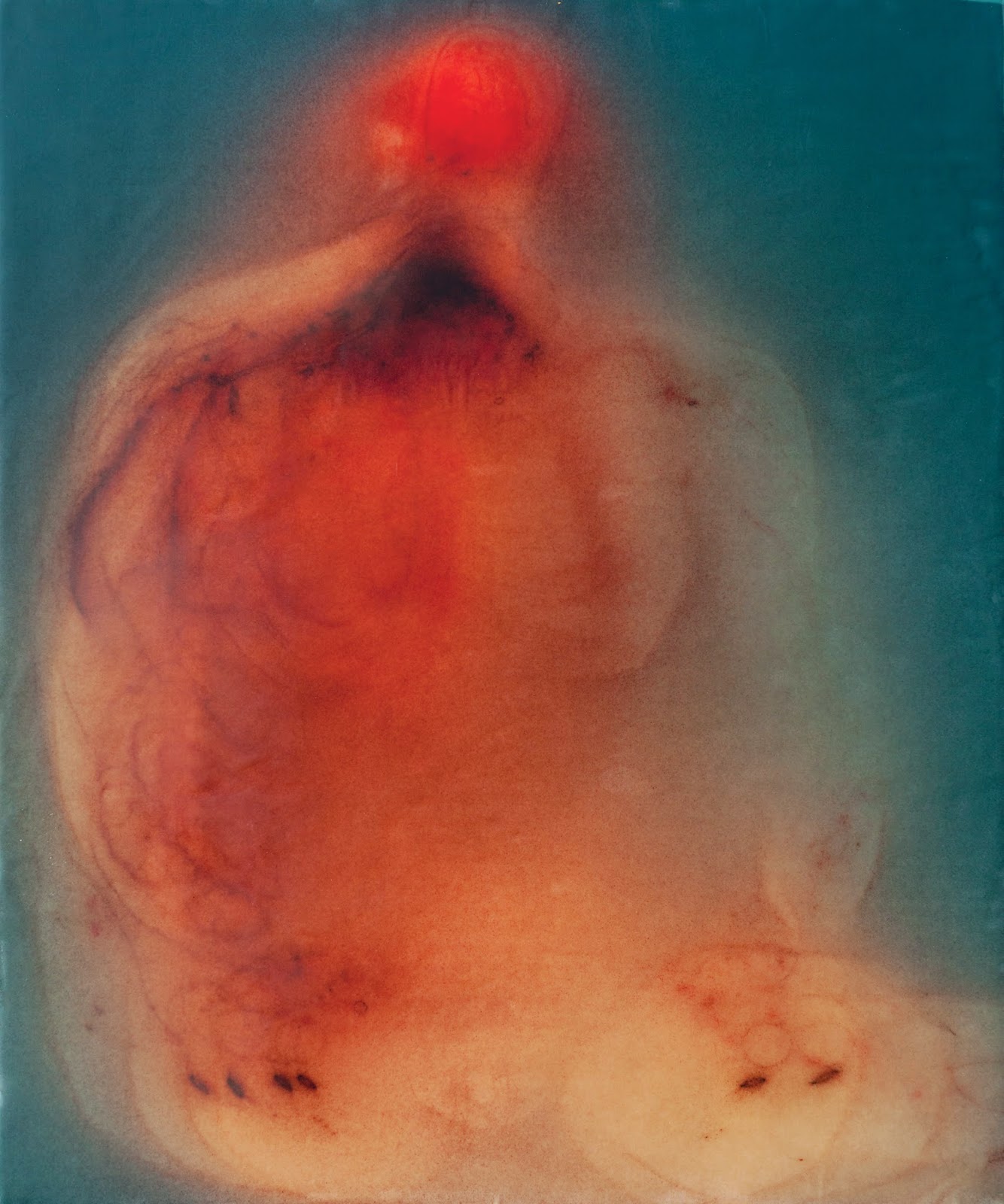
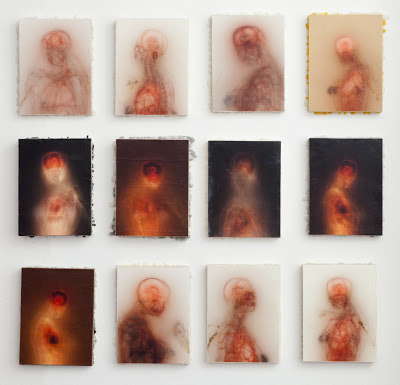
Christie’s paintings are created from multiple layers of silk bound together with encaustic, mounted on wooden panels. Many of the figures’ poses are derived from ancient classical sculpture and Renaissance paintings. Christie is inspired by these historical works because of the interplay between our flesh-and-blood existence and something less tangible—our soul.
Alkan Nallbani’s work presents simple images intended to suggest universal themes – humanity, sexuality, environment – raising questions about our existence along the continuum of time.  “My journey from repression to freedom is essential to, and provides the context for, my work but does not constrain it.  Although I cannot remain indifferent to the indelible mark imprinted upon me by such experiences, it is not specifically my identity as an Albanian or immigrant that interests me, but rather the transformative nature of the immigrant experience, inextricably linked with its timeless themes of dislocation, and the continuous challenge of humanity.” 


Chromaticism and fish

By |April 28th, 2014|Syndicated Content|

A few months ago I made this piece:Something was happening. The entire picture plane was beginning to be used. So I began making more pieces in this vein. I was excited with what I was seeing. Yet all the pieces looked too similar. I was also hitting a...

Inspiration at the Met’s Ancient Egyptian wing

By |December 3rd, 2013|Syndicated Content|

I went to the Met the other day and spent a couple of hours in the Ancient Egyptian wing. I saw a lapis lazuli figurine that blew me away. It was small. But it filled the room with its energy. I keep seeing that vivid blue color in my mind's eye. ...

More from the Two Figures series

By |November 27th, 2013|Syndicated Content|

Here are some more in the Two Figure series. (I'll eventually get around to coming up with a more poetic name for this series.) Some of them may be a bit confused. But I am drawn to how the figures are filling the panels. I want this series to fee...

Two figures develop from Reaching Mother series

By |November 19th, 2013|Syndicated Content|

With the Reaching Mother series I've been noticing that there's a hint of two figures overlapping in some of the pieces. So I have decided to deliberately work with two figures. Here's one I made a few days ago. 24" x 20"

Another triptych

By |November 6th, 2013|Syndicated Content|

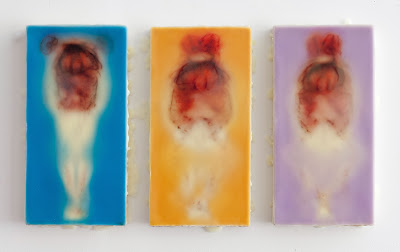
I just finished this:I can't stop staring at Piero della Franscesca's "Four Saints".The colors in his altarpiece may have no resemblance to my piece. Nonetheless the colors in this triptych are making me happy. It measures 12" x 20".

A larger group, a blue group

By |October 23rd, 2013|Syndicated Content|

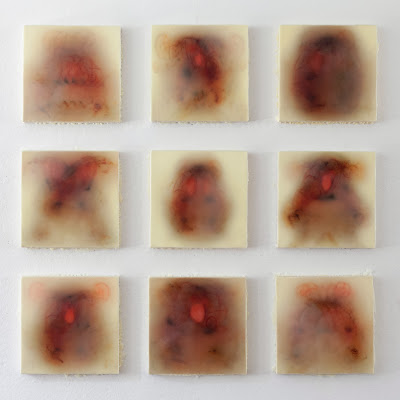
Here's another one from the Reaching Mother series.Looked as a group it's the largest piece I have done: 58" x 58" with each individual panel measuring 16" x 16". I'm happy with this scale; when I stand about four or five feet away it takes up most of ...

Some recent work

By |October 17th, 2013|Syndicated Content|

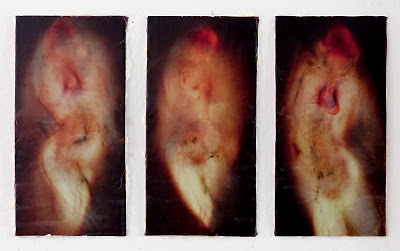
Below is a triptych I just finished. Each panel measures 24" x 12".As they interact there's a hint of motion I'm excited with. There's a more to explore here. For instance, I haven't tried using different color palettes within each group.I also made th...

Reaching mother progress

By |September 27th, 2013|Syndicated Content|

I've decided to arrange the mother series as a group. The one composed of squares is working well. Maybe they need to be a little closer to one another. I'm not sure about the group of 8" x 10"s. I keep seeing a more vertical version of these. But I'm ...

Disassociated men

By |September 25th, 2013|Syndicated Content|

For a while I've been struggling to integrate hard drawn lines within a glowing and mysterious painting. These are heading in this direction.I'd like to think that the crinkled surface is good and adds to the work. But this may be wishful thinking. I h...

Back to painting women

By |September 23rd, 2013|Syndicated Content|

A good friend of mine was struggling with a painting. Her professor asked her what her favorite part of the painting was. She Immediately told him she liked the head. "Well, I think you should cut of the head and see what happens." She did so and a bod...

Reaching Mother series

By |September 16th, 2013|Syndicated Content|

I made the first piece below about a year and a half ago before going on a two month sabbatical. It's the piece that started the layered silk and encaustic process I've been working in for over the last year.Like many firsts, I believe it's the most re...

Working freely

By |September 11th, 2013|Syndicated Content|

Last week my ten-year-old daughter and I were playing with clay. She made a flower and said, "It's not that good." I paused and then told her, "Lola, it doesn't matter if it's good or not. What matters is that you make things." She got a big smile on h...

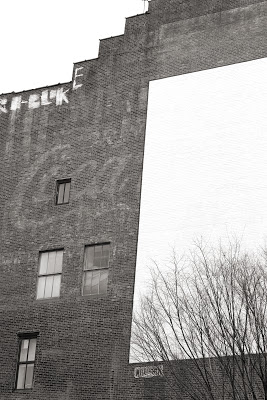
Photos of Maplewood, N.J.

By |March 5th, 2013|Syndicated Content|

West Broadway and Grand

By |March 4th, 2013|Syndicated Content|

Bliss is a blowtorch

By |February 27th, 2013|Syndicated Content|

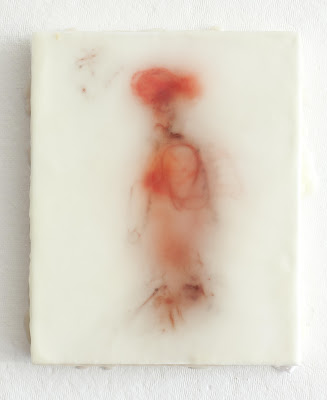
I've begun working with the male form. The following are 10" x 8".I'm surprised by how different they feel compared to the women I have painted.The other day I bought a blow torch. It melts the wax much faster than the heat gun I use. It also doesn't b...

Early morning trees

By |January 31st, 2013|Syndicated Content|

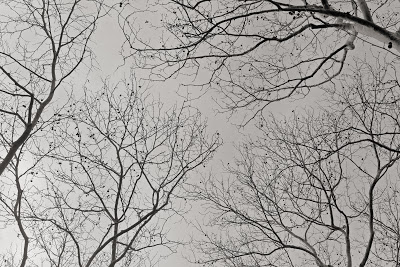
Here are a few photos I took this morning:

The usefulness of uselessness

By |January 6th, 2013|Syndicated Content|

The usefulness of uselessness

"All art is quite useless." 
Oscar Wilde 

In the late eighties and early nineties I was a student at La Guardia High School of the Arts. My life was devoted to music. Thelonious Monk, Sonny Rollins and Lester Young were my idols. At eighteen I began gigging with my quintet in small venues in New York City. I wrote music and played tenor saxophone with a passion; I would end a gig or practice session in physical pain and emotional exhaustion.

Jazz clubs were dropping like flies. Swing and bebop had been a vital aspect of American culture. Yet the glory years of the thirties, forties and fifties, with places like NYC's 52nd street, didn't exist anymore. The music I was playing was disconnected from the times I was living in; I was rehashing a music that had died decades before. I was tired of pouring my heart into something that felt useless. I stopped playing.

At twenty I began working at my father's illustration and animation studio, Slim Films. There I learned that illustration and information graphics serve a specific purpose and have a defined goal. It was a revelation to be doing something concretely useful. After a couple of years working as a freelance illustrator I took a job as an assistant art director at Scientific American magazine. The editors worked with a passion that was eye-opening—even as they were writing about the most obscure subjects, like a particle physics theory that had no perceived relevance in our daily lives. It was as if I were surrounded by artists and musicians.

This reignited my desire to make music. I decided to leave Scientific American and go back to Manhattan School of Music, the conservatory I had dropped out of a few years earlier. I quickly learned that I didn't have what it would take to make it as a professional musician. It seemed as if the pinnacle of success was getting into the pit band of a Broadway show. The prospect of playing the same music day in and day out was a nightmare. At the time I was earning, and enjoying, a decent living as a freelance illustrator. Once again I stopped playing.

Over the years I became relatively successful as an illustrator. Five years ago I began to hire people and transition from a freelance illustrator to the creative director of my own studio. Two and a half years ago we moved the studio from Maplewood, N.J., to New York City.

I reentered the world of the useless; I decided to devote a significant part of my time and energy to creating fine art. Creating something that is of no use is an exercise in frustration. The other day I was complaining to an artist friend about this. Shaking his head he said, "People have no idea how hard this is. It's awful. Just awful."

And then, a couple of weeks ago I downloaded an album from iTunes of Barry Harris and Charles Davis, two of the teachers I studied with years ago. At the first notes my knees buckled. Time stopped and joy welled in my heart. It didn't matter what year it was. It didn't matter that what I defined as jazz had died years ago. What mattered was that for this brief time it was alive and well in my studio as I listened and danced.

Looking forward, and the year in review

By |January 1st, 2013|Syndicated Content|

January 2012 was filled with hope as my wife and I reconciled. Yet the stress of everyday life, exacerbated by the grim reality of my recently excavated past, began to affect how I functioned in the world as a husband, father, creative director and artist. This tension culminated in April, leading to my semi-enforced two-month sabbatical. 

I reentered the world in June reenergized. By August the honeymoon withered and died. But in October I began feeling a subtle, hard-won stability. I was standing on the new foundation that I had begun cobbling together in April.

If you have followed this blog over the past two or so years, you may have noticed a change in tone since I returned from my sabbatical. I am uncomfortable with how personal my older posts are. Since getting back I've swung to the other end of the spectrum. In the service of not being too personal I have cut off much of the lifeblood and passion with which I wrote. How I can retain some of my fire without being melodramatic will be a challenge for me in 2013.

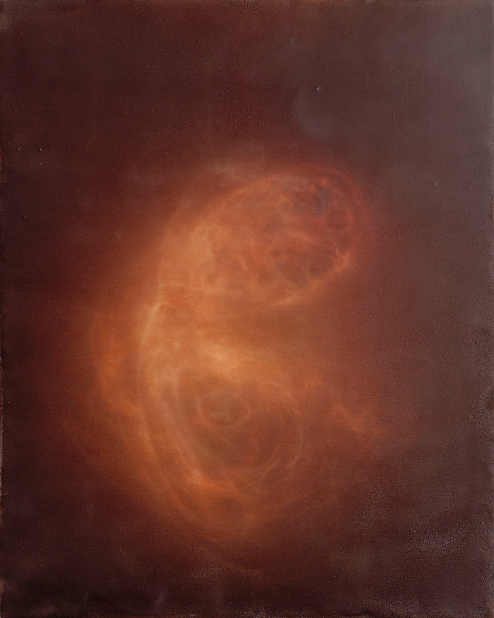
One of my intentions for 2012 was to make a larger, more realized body of work. Now that the year has come to a close I'm happy and proud of what I have made. In 2013 I will be getting the work out there. (Given that you are reading this and—hopefully—looking at the pictures, the work is of course "out there." What I mean is getting the work in an appropriate gallery.) With this intention in mind I've redesigned my art website. It will be going live sometime in January. I've also produced a 36-page booklet that I will be sending to the galleries I can imagine my work in.

Here are three of the last pieces I made in 2012:

Looking forward, and the year in review

Looking forward, and the year in review

Looking forward, and the year in review

When people see my work I want them to feel connected to their highest self. That said, I've come to the painful realization that I can't control what people think or feel. Attempting to make a person think or feel a specific way is the domain of advertising, not art. (There is a strong argument against this; just look at all the masterpieces that were commissioned by the Catholic Church during the Renaissance.) What I do have control over is my attempt to find and clarify my intentions. This carries through to how I wish to live my life in the world as a husband, father, creative director and artist.

Happy New Year!

Multiple figures

By |December 13th, 2012|Syndicated Content|

I've been working with multiple figures:A friend of mine, artist Jim Angell, said, "You're knocking on the door" when he looked at these. In introducing more than one woman the challenges of color, composition, and movement become more apparent. I'm ha...

On three women and two layers

By |December 5th, 2012|Syndicated Content|

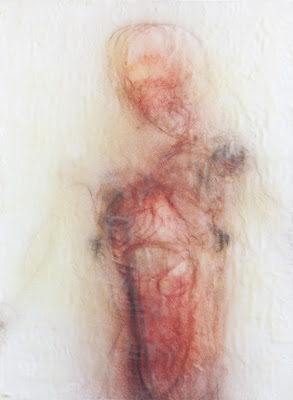
I made this last week. It measures 24" x 20":I'm using two layers of silk instead of four or five. With this technique the line becomes clearer; it's a more graphic approach. When I finished this piece my initial feeling was that it was too literal. Bu...

More from the 20" x 16" series and working large

By |November 21st, 2012|Syndicated Content|

A couple of posts ago I had written that I was starting a new series of panels measuring 20" x 16". Here are two I'm happiest with:I'm intrigued with the blue piece. It's hitting a sweet spot between representation and abstraction. After making this pi...

On ink drawings and information graphics

By |October 18th, 2012|Syndicated Content|

I've been taking pictures of the city that I use as reference for ink drawings.It's good to have ink on my fingers. It's good to smell materials other than the plastic and metal of my computer. It's good to have a tangible object in my hands after...

Starting a new series

By |October 13th, 2012|Syndicated Content|

Jim Angell stopped by the other day for lunch and a studio visit. He was struck by the portraits I had started and given up on. He liked the way I had arranged them on my wall as a group. We did a little rearranging and editing and came up with this se...

Inspiration and frustration

By |September 30th, 2012|Syndicated Content|

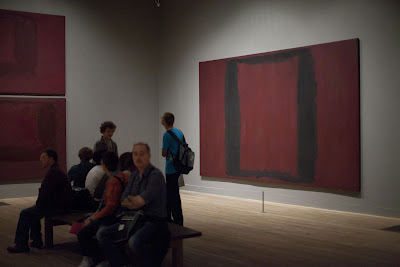
In London, in the Tate Modern, there's a room devoted to the canvases that Mark Rothko was commissioned to paint for the Four Seasons restaurant in the Seagram's building. When I entered the room, warmth and ease flooded my body. I was peerin...

Chicago

By |September 22nd, 2012|Syndicated Content|

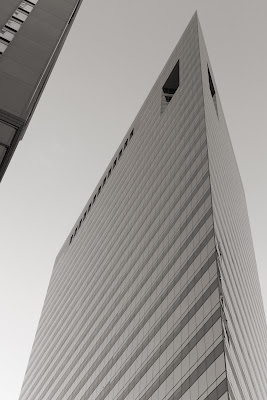
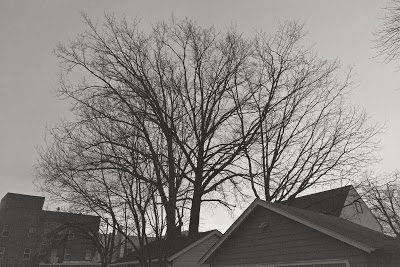
I was in Chicago with Erica Schwartz-Hall, our studio manager, last week. I spoke at the CUSP conference. More about CUSP tk soon.I took these shots of the city:
On the process of a larger piece

By |September 11th, 2012|Syndicated Content|

I just finished, or gave up on, this piece:It measures 40" x 30". Its the first time I've worked larger than 24" x 18" using the encaustic and organza process. Written down, it doesn't sound too big. But it is. I'm happy with how the art is holdin...